Sky Lagoon vs Blue Lagoon: Which One Is Worth Your Afternoon?
One sits seven minutes from downtown with an infinity edge over the North Atlantic. The other sits in a lava field near the airport and has been Iceland's most booked attraction for thirty years. They are not interchangeable, and the right answer depends entirely on the shape of your day.
Your best lagoon depends less on reputation than on where you start, how many hours you have and whether transport should be included. Explore Sky Lagoon Ritual Admission
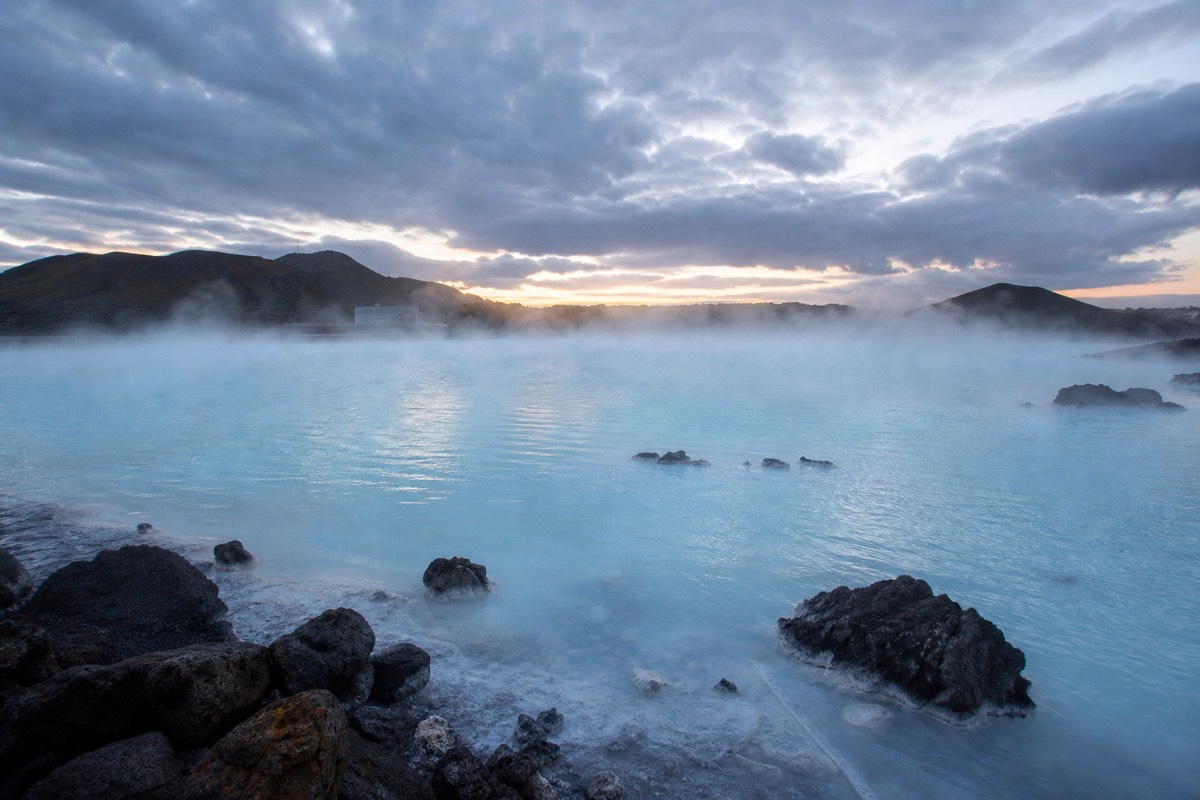
Booking Choice: Choose Sky Lagoon for a compact Reykjavik-based ritual, the Blue Lagoon package when silica water and return city transport suit your schedule, or Secret Lagoon for a simpler soak with self-arranged transport. View Sky Lagoon Ritual Admission
What a soak costs: every pass, side by side
Blue Lagoon uses dynamic pricing, so its entry moves with date and demand. Sky Lagoon holds steadier. Both are adult 2026 rates from the operators' own listings.
What is the actual difference between Sky Lagoon and Blue Lagoon?
Sky Lagoon is a seven-minute drive from downtown Reykjavik, faces the open Atlantic across an infinity edge, and is built around a fixed seven-step bathing ritual. The Blue Lagoon is 49 km southwest of the city in a black lava field near the airport, is far larger, and is famous for milky silica water you can float in for hours. One is a designed experience. The other is a landscape.
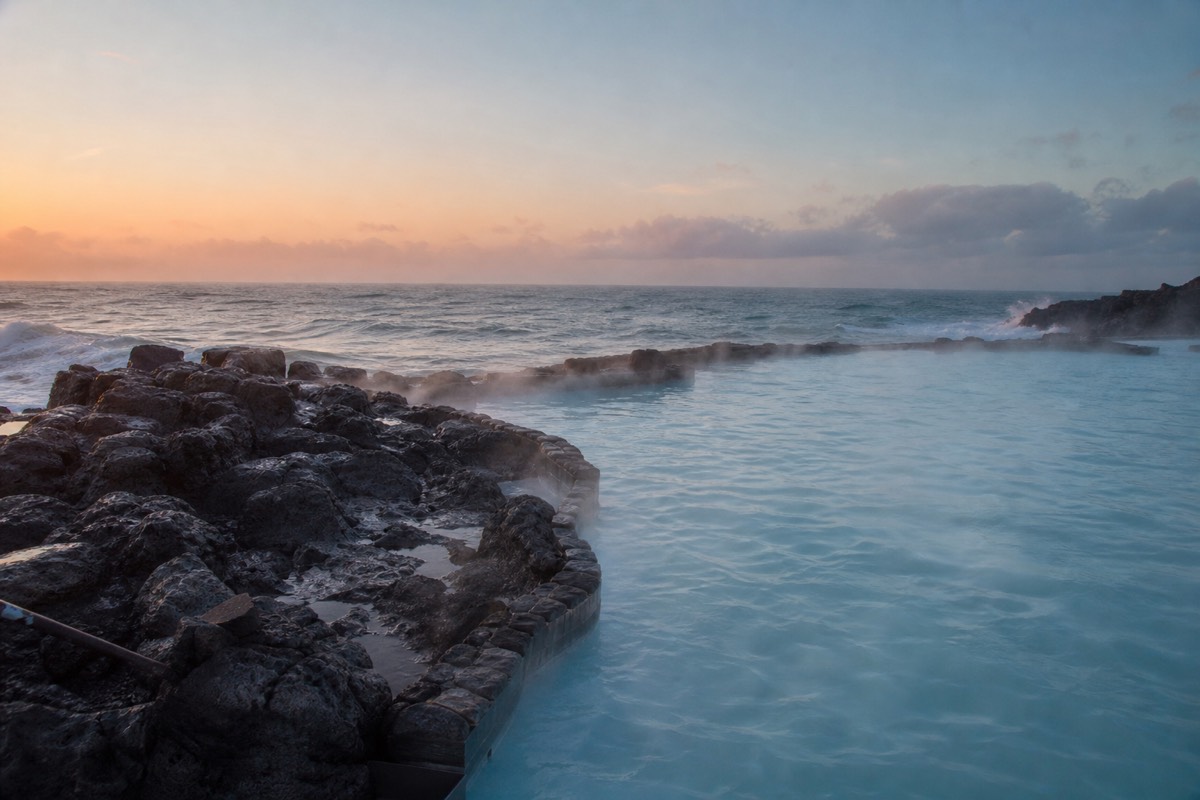
The Blue Lagoon came first by decades. Its water is geothermal outflow from the Svartsengi power plant that began pooling in the surrounding lava in 1976, turned out to be extraordinary for skin, and grew into the most visited paid attraction in the country. The pool covers roughly 8,700 square metres, the water runs at 37 to 40 degrees C, and the silica mud mask is included with every ticket. It does not look like a spa. It looks like something that happened to a lava field.
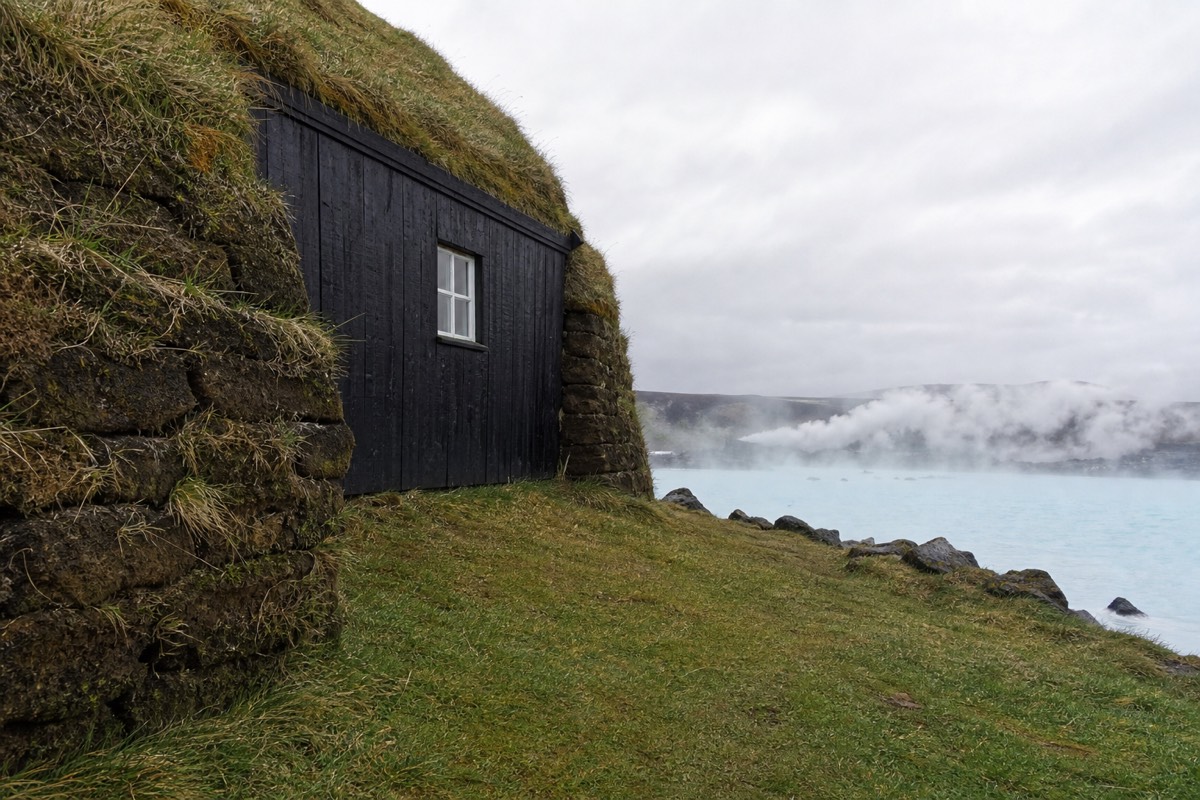
Sky Lagoon opened much later on the Karsnes shoreline in Kopavogur, and it is the opposite kind of project: deliberate, compact and choreographed. The lagoon is a long shelf of warm water ending in an infinity edge, with a turf-and-stone wall behind you and the sea in front. Instead of wandering, you follow a sequence. Warm water, cold plunge, sauna, cold mist, salt scrub, steam, rinse, back to the water. We cover the sequence in detail in the piece on Sky Lagoon's seven-step ritual.
The practical distinction most people miss is what each one does to your calendar. The Blue Lagoon is a half-day commitment with a bus or car at both ends, and its position 23 km from Keflavik Airport makes it a natural arrival-day or departure-day stop. Sky Lagoon is close enough to walk out of a hotel, soak, and be back for dinner without touching a day of sightseeing.
| Factor | Sky Lagoon | Blue Lagoon |
|---|---|---|
| Location | Kopavogur, on the Reykjavik shoreline | Reykjanes Peninsula lava field, 49 km from the city |
| Travel from a city hotel | 7 to 15 minutes | 45 to 50 minutes each way |
| Distance from Keflavik Airport | Roughly 45 minutes | 23 km, about 20 minutes |
| Water character | Clear geothermal seawater, ocean view | Milky blue, silica rich, opaque |
| Signature element | Infinity edge and the seven-step ritual | Silica mud mask, swim-up bar, scale |
| Size and feel | Compact, linear, designed | Large, sprawling, easy to find a quiet corner |
| Entry from | ISK 13,990 Saman, ISK 16,990 Ser | From ISK 11,990 Comfort, dynamic pricing |
| Best paired with | An evening in the city, a late arrival | Arrival or departure day, or a Golden Circle combo |
What does each lagoon cost in real money?
Sky Lagoon starts at ISK 13,990 for the Saman pass and ISK 16,990 for Ser, the difference being public or private changing rooms. Blue Lagoon Comfort starts at ISK 11,990, Premium sits around ISK 14,990 and Signature around ISK 18,490, but the Blue Lagoon prices dynamically, so the same ticket can swing hundreds of krona between a February morning and a July afternoon.
Dynamic pricing is the fact that breaks most comparisons. A traveller who checked in January will tell you the Blue Lagoon is the cheaper lagoon. A traveller who checked in July will insist the opposite, and both are describing the same price list. The only useful comparison is the one you run on your own dates, on both official sites, at the same moment.
What you get for the money differs in kind rather than degree. At the Blue Lagoon the packages ladder upward through comfort: Comfort covers entry, a silica mask, one drink and a towel; Premium adds a bathrobe, slippers, two extra masks and a second drink; Signature adds take-home skincare. At Sky Lagoon the ladder is much shorter, because the ritual is included in both passes and the only real question is whether you want a private changing room.
Then there is transport, which people forget to price. A return bus to the Blue Lagoon from the BSI terminal is a separate booking from your entry ticket and adds 45 to 50 minutes each way. Sky Lagoon needs a short taxi or a city bus. On a per-hour basis, that gap changes the answer more than the ticket does.
| Pass | Adult price | What it adds | Watch out for |
|---|---|---|---|
| Sky Lagoon Saman | From ISK 13,990 | Lagoon, full seven-step ritual, public changing | Shared changing area, no towel upgrade |
| Sky Lagoon Ser | From ISK 16,990 | Private changing suite, premium toiletries | Only worth it if privacy matters to you |
| Blue Lagoon Comfort | From ISK 11,990 | Entry, silica mask, one drink, towel | Dynamic pricing; the floor rate is rarely available |
| Blue Lagoon Premium | Around ISK 14,990 | Bathrobe, slippers, two extra masks, second drink | The package most visitors end up recommending |
| Blue Lagoon Signature | Around ISK 18,490 | Take-home skincare products | Only pays off if you wanted the products anyway |
| Blue Lagoon transfer | Booked separately | Return coach from the BSI terminal | Not included in any entry package |
How much of your day does each one actually eat?
Sky Lagoon costs you about three hours door to door from a city hotel. The Blue Lagoon costs five to six, of which nearly two are transport. If you have three days in Iceland, that difference is worth more than any comparison of water quality.
The Blue Lagoon's saving grace is where it sits. At 23 km from Keflavik Airport and 49 km from the city, it is closer to your arriving flight than your hotel is. A soak between landing and check-in solves the problem of a 06:00 arrival with a 15:00 room, and it does the same trick in reverse on the way out. Our guide to getting from Keflavik Airport to Reykjavik sets out the transfer options and what each costs.
Sky Lagoon's advantage is that it does not need a plan. It sits inside the city's transport map, which makes it one of the few genuinely good options for anyone doing Reykjavik without a car. Finish a day tour at 18:00, soak at 19:00, eat at 21:00. Nothing about that sequence requires a rental.
Both work as the soft end of a hard day. The Day Trips From Reykjavik tours we run mostly return to the city in the late afternoon, and a lagoon slot two hours later is the most reliable way to stop your legs seizing up after eight hours on gravel paths.
| Time block | Sky Lagoon | Blue Lagoon |
|---|---|---|
| Travel out | 7 to 15 minutes | 45 to 50 minutes |
| Check-in and changing | 15 minutes | 20 to 30 minutes at busy slots |
| In the water | 90 minutes covers the full ritual | 2 to 3 hours minimum to feel unhurried |
| Eating on site | Optional, small menu | Add an hour for the restaurant |
| Travel back | 7 to 15 minutes | 45 to 50 minutes |
| Realistic total | About 3 hours | 5 to 6 hours |
What does an evening at Sky Lagoon feel like?
It feels curated in a way Iceland usually is not. You are handed a sequence and you follow it, and the pay-off is that the whole thing has a shape: the infinity edge at the start, the shock of the cold plunge in the middle, and a slow, warm, slightly stunned return to the water at the end.
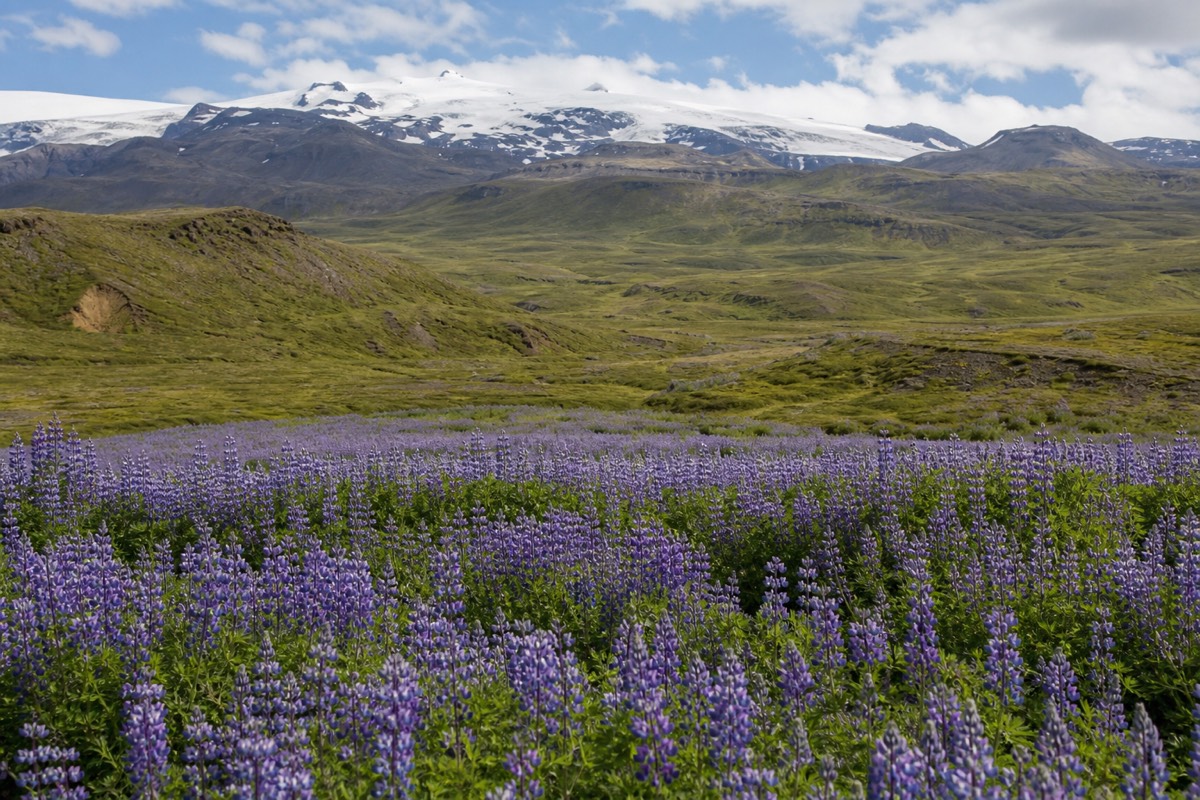
The first ten minutes are the ones people remember. You walk out of a turf-walled corridor into a long shallow lagoon and the far edge is simply gone, dropping into the sea. On a clear evening the light behind Snaefellsjokull to the north turns the whole horizon the colour of a bruise. In a January storm, waves break on the rocks a few metres away while you are chest-deep in 38 degree water, which is a strange and very good sensation.
The ritual is where opinions split. Seven steps in fixed order takes about 45 minutes and moves you between rooms rather than letting you drift. Some people find the structure relaxing, because someone else made the decisions. Others resent being marched through a spa when they wanted to lie still. The cold plunge is genuinely cold and genuinely short, and the sauna's picture window over the water is the best room in the building.
The compact footprint is the real trade-off. Sky Lagoon is not large, and at a busy slot the shelf near the infinity edge gets shoulder to shoulder. Book the first slot of the day or a late evening one and it thins out completely.
What does an afternoon at the Blue Lagoon feel like?
It feels bigger than the photographs suggest and stranger than a spa should. The water is opaque, so you cannot see your own feet, and steam moves across the surface in a way that keeps hiding and revealing the black lava. You can float for three hours and keep finding corners you have not been in.
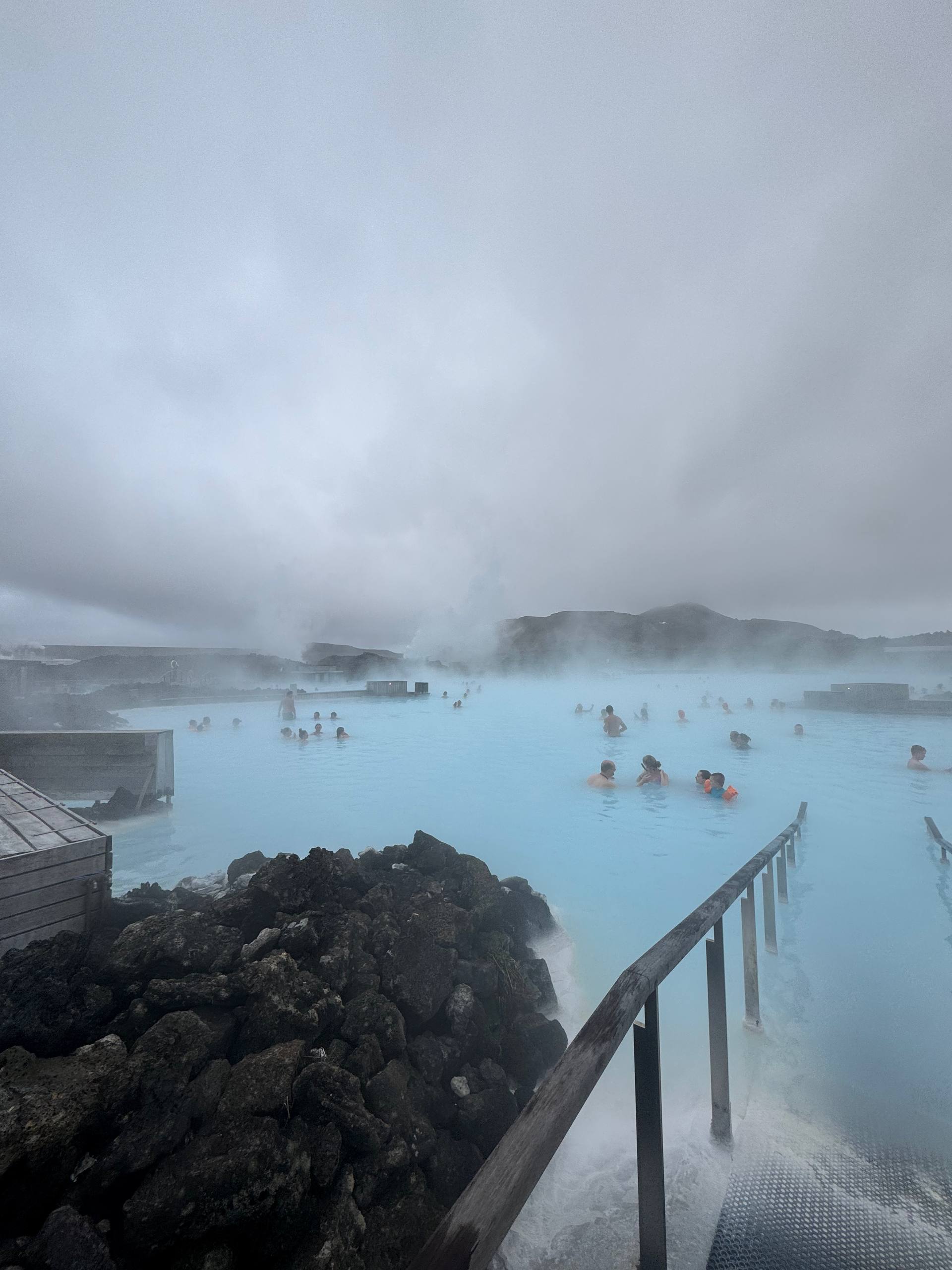
The scale is what surprises people who arrived expecting a tourist trap. Even at a full slot, 8,700 square metres absorbs a lot of humans. The busy zone is the bar and the mask station; walk two minutes toward the far edges and it turns quiet. Our longer piece on visiting the Blue Lagoon maps out where those corners are and how the packages differ.
Two practical things define the visit. First, the silica: it is good for skin and terrible for hair, and the free conditioner at the showers is not optional if you would like your hair to behave for the next three days. Second, the mask ritual, which is included, involves standing at a counter to have white clay applied and then waiting ten minutes while it dries, which is more sociable than it sounds.
The honest weakness is the setting outside the water. You are in an industrial geothermal area on the Reykjanes Peninsula, and the power plant is visible from parts of the lagoon. This does not spoil anything, but people arriving expecting untouched wilderness recalibrate quickly. Eruptions on the peninsula have also closed the site temporarily in recent years, so check the official Blue Lagoon site the morning of your visit.
Which slot should you book?
The first slot of the day and the last of the evening are dramatically quieter than anything between 10:00 and 15:00. This single choice changes the experience more than which lagoon you pick or which pass you buy, and it costs nothing.
The pattern is driven by tour buses and by airport arrivals, both of which cluster in the middle of the day. A 07:00 or 08:00 Blue Lagoon slot puts you in the water while the previous night's steam is still sitting on the surface and the car park is half empty. A 20:00 slot at either lagoon in winter gives you dark sky, lit water, and a real chance of aurora overhead if the aurora forecast cooperates.
Winter changes the maths again. With four to five hours of usable daylight in late December, sunrise near 11:20 and sunset near 15:30, daylight is too precious to spend indoors. Put your lagoon in the dark and your sightseeing in the light. That single rule saves more of a December trip than any other piece of planning advice.
| Slot | Crowd | What it gives you | Trade-off |
|---|---|---|---|
| 07:00 to 08:00 | Lowest | Empty water, steam still on the surface | Early alarm; transfers may not run yet |
| 09:00 to 10:00 | Rising | Still calm, easier transport | Fills quickly as buses arrive |
| 10:00 to 15:00 | Peak | Nothing you cannot get at another hour | Busiest changing rooms and bar queues |
| 16:00 to 18:00 | Falling | Golden light in summer, good for photos | Overlaps with day tours returning |
| 19:00 onwards, winter | Low | Dark sky, lit water, possible aurora | You will not see the landscape around you |
| Last slot of the day | Lowest | Quietest water of all, no exit rush | Late dinner, limited food on site |
What do you need to bring, and what is provided?
Bring a swimsuit and nothing else that matters. Both lagoons supply towels with most passes, both sell what you forgot at a markup, and both require a full soap-and-water shower without a swimsuit before you enter, which is normal in Iceland and non-negotiable.
The shower rule catches out more first-time visitors than any other custom in the country. Icelandic pools run very light chlorination, and the compensation is that everyone washes properly beforehand, in the nude, in a communal room. Attendants do check. Treating it as a rule rather than an ordeal makes it a 90 second event.
Hair is the other thing worth planning. Silica leaves long hair feeling like straw for days, so tie it up, use the free conditioner generously, and consider a swim cap if you care. Sky Lagoon's seawater is gentler but the same advice applies.
| Item | Sky Lagoon | Blue Lagoon | Note |
|---|---|---|---|
| Swimsuit | Bring or rent | Bring or rent | Rental exists at both but costs more than it should |
| Towel | Included with both passes | Included with Comfort and above | No need to carry your own |
| Bathrobe | Ser pass extras | Premium and Signature | Nice in winter, unnecessary in summer |
| Hair conditioner | Provided | Provided free at the showers | Use it before you get in, not after |
| Waterproof phone case | Optional | Optional | The only way to get your own photos safely |
| Cash or card | Wristband tab | Wristband tab | You settle everything on exit |
| Flip flops | Useful | Useful | The walk from changing room to water is cold |
Which one fits your itinerary?
Pick the Blue Lagoon if your visit brackets a flight, if you want scale and silica, or if you are already heading out toward Reykjanes. Pick Sky Lagoon if your days are full, you have no car, or you want to soak at 21:00 without organising anything. There is no wrong answer, only a wrong fit with your schedule.
The strongest Blue Lagoon case is the combined day. A Golden Circle with the Blue Lagoon puts Thingvellir, Strokkur, Gullfoss, Kerid and a two-hour soak into one 11-hour run, with the lagoon deliberately placed at the end when the day crowd has thinned. That combination is hard to build yourself without a car and a lot of clock management. It also removes the parking, the entry fees and the driving from your afternoon in one line item.
The strongest Sky Lagoon case is the tired evening. After a 10-hour South Coast day tour from Reykjavik or a three-hour crossing on a Reykjavik whale watching tour, a lagoon seven minutes from your hotel is worth more than a better lagoon 50 minutes away.
| Your situation | Go here | Why |
|---|---|---|
| Landing at 06:00, room not ready | Blue Lagoon | 23 km from the airport, luggage storage on site |
| Evening flight out | Blue Lagoon | Soak, then continue to Keflavik in 20 minutes |
| Three days, no car | Sky Lagoon | Costs you an evening, not a day |
| Already booked a Golden Circle combo | Blue Lagoon | Entry is inside the tour price on combo listings |
| Winter trip, short daylight | Either, after dark | Keeps the light hours for sightseeing |
| Travelling with young children | Blue Lagoon | 2 to 13 enter free with an adult; check age rules first |
| Want the photo everyone knows | Blue Lagoon | The milky blue water is not replicable elsewhere |
| Want ocean horizon at sunset | Sky Lagoon | The infinity edge faces open water to the west |
Should you skip both and go somewhere cheaper?
Plenty of visitors should. The Secret Lagoon at Fludir charges ISK 4,500 for adults, a hot river in Reykjadalur costs nothing beyond parking, and every Reykjavik neighbourhood has a municipal geothermal pool that locals actually use. If your budget is tight or you dislike designed experiences, these are better value per hour.
The trade-off is honest: the cheap options give you the water and none of the theatre. No mud mask, no swim-up bar, no infinity edge, no robe. What you get instead is a hot pool with Icelanders in it, which is closer to how bathing culture actually works here.
The Secret Lagoon at Fludir is the strongest of these if you already have a car and are heading around the Golden Circle, since it sits on the route. The hot spring river hike is the strongest if you want to earn it: a walk of about 3 to 3.5 km with roughly 150 m of climb, then a sit-down in a warm stream with a parking fee of ISK 300 an hour or ISK 1,000 for up to five.
| Option | Adult cost | Getting there | What you give up |
|---|---|---|---|
| Secret Lagoon, Fludir | ISK 4,500 | About 110 km, on the Golden Circle route | Ocean views, robes, a spa menu |
| Reykjadalur hot river | Parking only, from ISK 300 per hour | 45 min drive, then a 3 to 3.5 km walk | Changing rooms, showers, any shelter |
| City geothermal pools | Cheapest option in Reykjavik | Walkable in most neighbourhoods | Any sense of occasion |
| Sky Lagoon Saman | From ISK 13,990 | 7 to 15 min from downtown | Nothing, if the budget is there |
| Blue Lagoon Comfort | From ISK 11,990 | 49 km, 45 to 50 min each way | Half a day |
The verdict, by traveller type
For a first trip built around flights, the Blue Lagoon wins on placement and on the fact that its water looks like nowhere else. For a second trip, a short trip, or a car-free trip, Sky Lagoon wins on time. If you are choosing between them on price alone, check both on your exact date, because dynamic pricing makes any general claim wrong half the time.
One rule holds for both: book the slot before you book anything else that day, because the slot is the constraint and everything else can move around it. Neither takes walk-ins, and the Blue Lagoon regularly sells out days or weeks ahead.
If your trip has room for exactly one water day and you also want to be underwater rather than in it, there is a third option worth weighing. The Silfra snorkeling guide covers the fissure at Thingvellir, which is the opposite experience in every way: 2 degree water, a drysuit, and no bar at all.