Silfra Snorkeling From Reykjavik: The Planning Guide
Silfra is a flooded crack in the Thingvellir rift where you float between two continental plates in water that never warms past 4 degrees. Here is what the morning costs, who is allowed in, and how it fits around the rest of a day out of Reykjavik.
The key choice is whether Silfra’s suit requirements, selected Reykjavik pickup and six-hour schedule fit your party and itinerary—not whether the water feels cold. Explore Silfra Snorkeling With Pickup
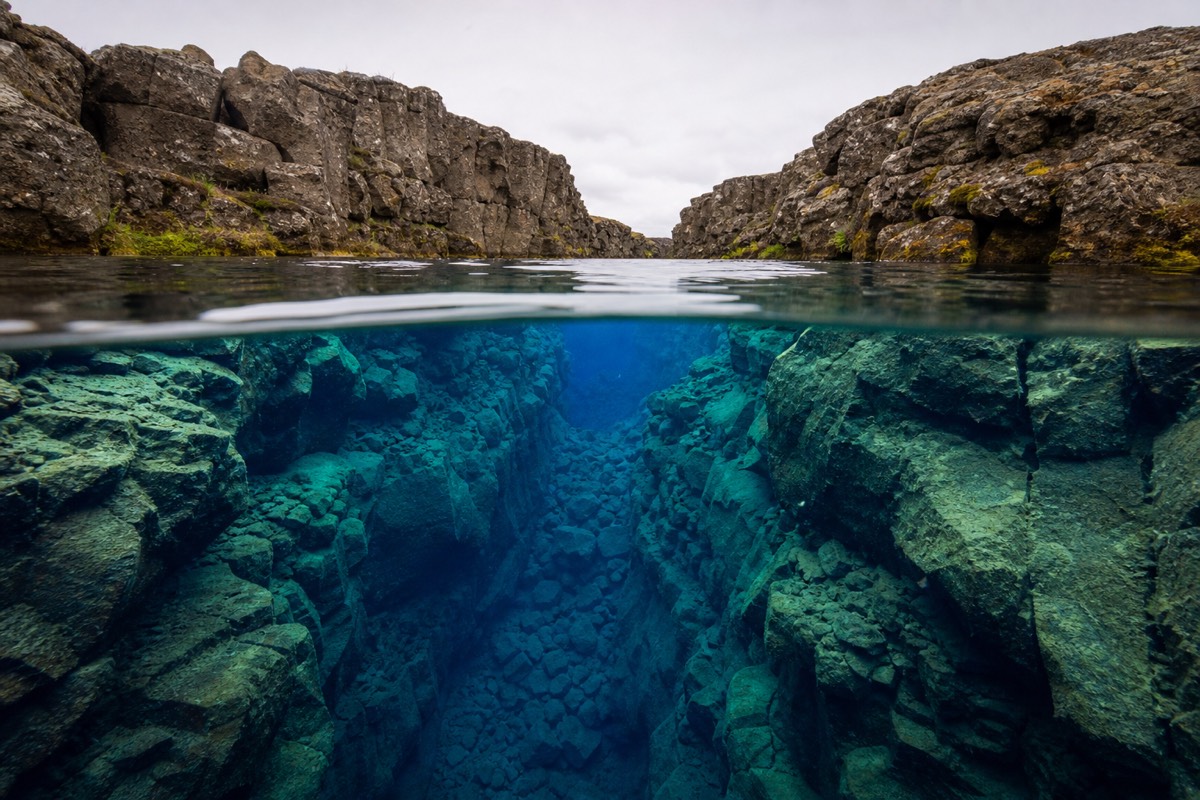
Booking Choice: Choose Silfra for a focused fissure experience, and confirm suit, swimming and medical requirements first. A six-hour Reykjavik pickup option handles transport; a park meeting option needs its own travel and parking plan. View Silfra Snorkeling With Pickup
Silfra from Reykjavik: the money and the rules
Meet-on-location slots are the cheapest way in; pickup is the convenience tax. Figures are 2026 adult rates, checked against operator listings.
What is Silfra, and why do people pay to float in 2 degree water?
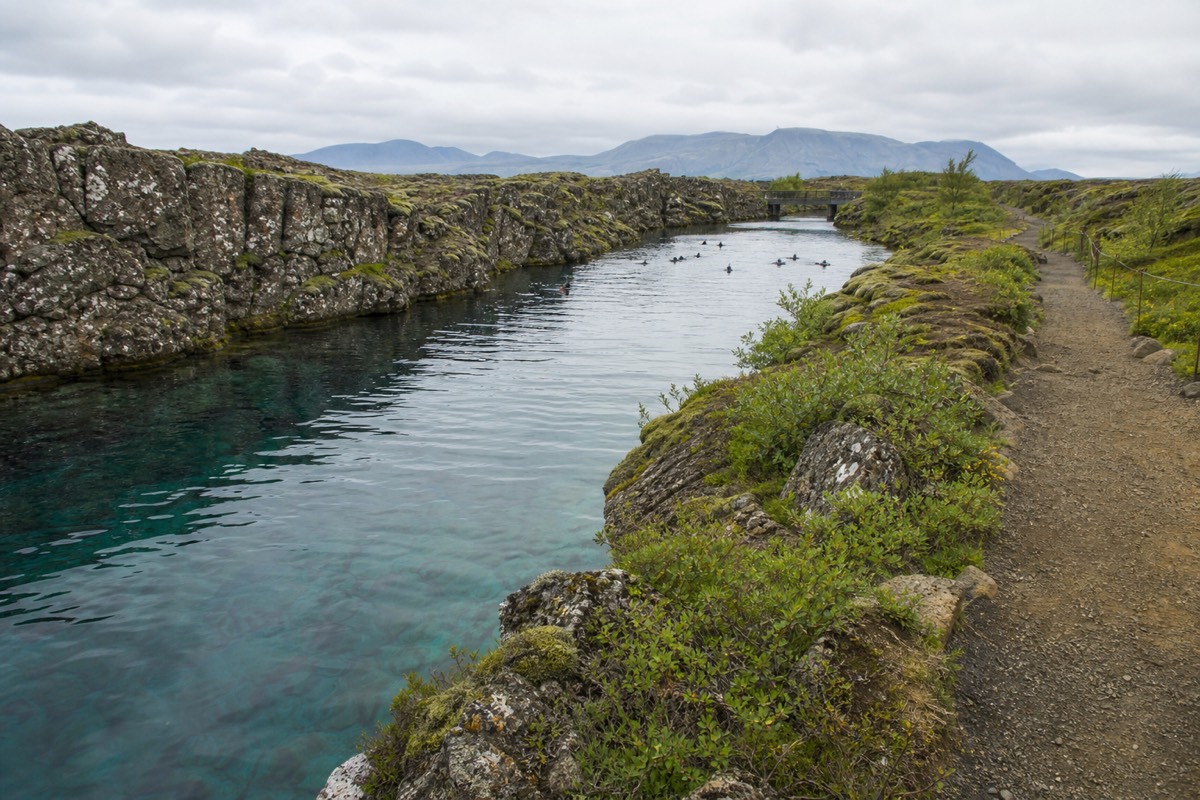
Silfra is a water-filled fissure inside Thingvellir National Park where the North American and Eurasian plates pull apart. It holds glacial meltwater that has spent years filtering through lava, so the clarity is extreme and the temperature holds at 2 to 4 degrees C in every month of the year. You float it face down in a drysuit for roughly 30 to 40 minutes.
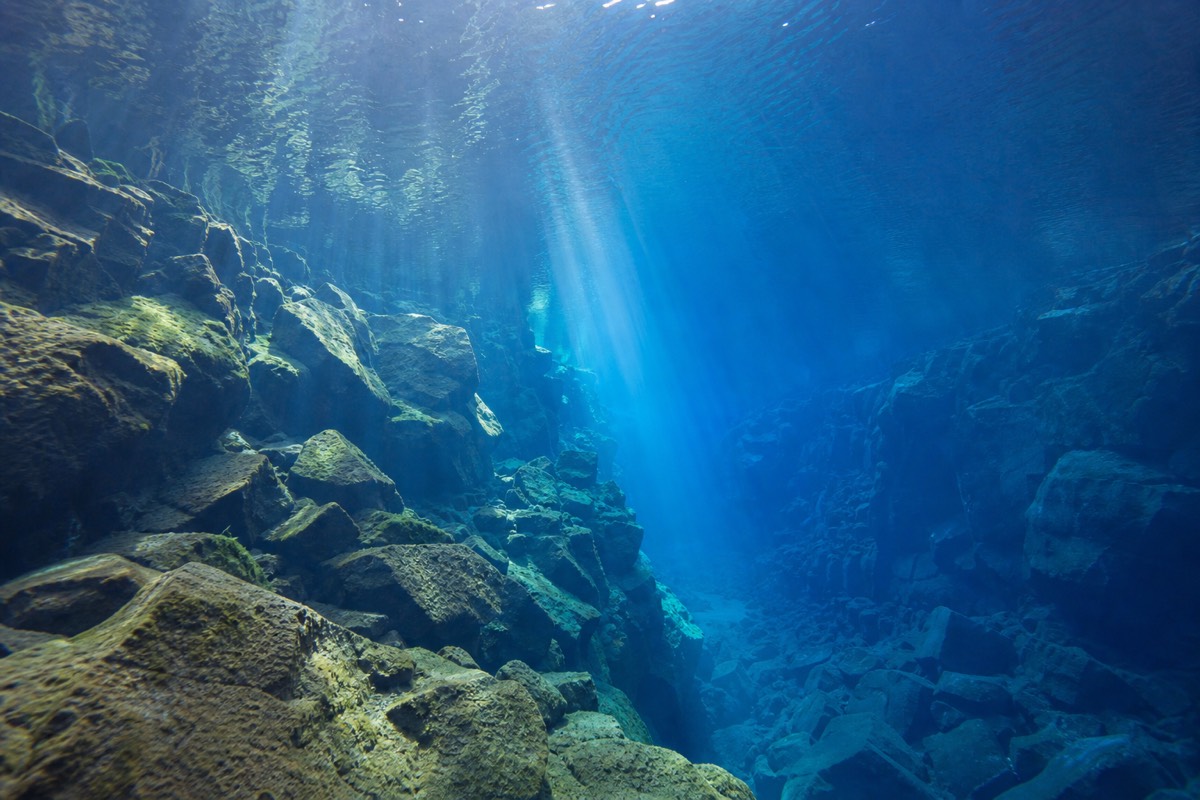
The snorkel is not deep in any adventurous sense. Most of the route runs a couple of metres under the surface, the mild current does the pushing, and the trip ends in a shallow lagoon where you stand up and walk out. What sells the experience is the water. Meltwater from the Langjokull ice cap travels underground through porous lava for years before it surfaces here, arriving with almost nothing in it: no silt, no summer algae, no river run-off. On a still morning the far wall of the crack looks close enough to touch when it is many metres away.
The geology carries the other half. Thingvellir sits in the rift valley where two plates separate by about two centimetres a year, and Silfra is one of the cracks that opened as a result. The photograph everyone has seen, a snorkeler with a lava wall on each side, comes from a narrow section people call the Cathedral. You are not touching two continents at once, whatever a listing implies. You are floating in the gap they left behind, which is a better story anyway.
It matters that Silfra is inside a national park rather than at a private site. The park is a UNESCO World Heritage property, listed in 2004 for the rift landscape and for the parliament that met on the valley floor from 930 AD. Only licensed operators can put people in the fissure, the number of daily slots is limited, and the changing area is a car park, not a spa. Nobody is upselling you a robe here.
| Silfra at a glance | Detail |
|---|---|
| Where | Thingvellir National Park, 47 km from central Reykjavik, about 45 minutes by road |
| Water temperature | 2 to 4 degrees C, unchanged year round |
| Time in the water | Roughly 30 to 40 minutes on a standard snorkel |
| Total time on site | 2 to 2.5 hours including briefing, suiting up and hot chocolate afterwards |
| Kit | Drysuit, thermal undersuit, hood, neoprene gloves, mask, snorkel, fins, all provided |
| Certification | None needed for snorkeling. Diving is a separate qualification-gated activity |
| Park entry | Free. Parking is ISK 1,000 per standard car and covers P1, P2 and P5 all day |
| Runs in winter? | Yes, all year, including in snow and in the dark |
What does Silfra snorkeling from Reykjavik actually cost?
Meet-on-location slots start around ISK 19,990, about $139 per adult. Adding Reykjavik pickup pushes the same snorkel to roughly ISK 27,999 to 30,990, or $175 to $220. Across operators the realistic market range is ISK 20,000 to 35,000, roughly $140 to $250, and the spread is almost entirely transport and photos.
Read a Silfra price in two parts. The first is the water: a licensed guide, a drysuit, thermal layers, and a limited slot inside a national park. That part barely moves between operators, because everybody buys the same permits and the same kit. The second part is everything around the water, and that is where two listings that look 60 percent apart turn out to be selling the same 35 minutes.
Pickup is the single biggest line. Being collected from a bus stop in Reykjavik and driven back adds roughly ISK 8,000 to 11,000 to the ticket. For two people that is real money, and the alternative is a 45 minute drive you may already be making. If you have a rental car and were heading toward the Golden Circle anyway, meeting the guides at the Silfra car park is the obvious call. If you do not, weigh the pickup against the cost of a car for the day, which our own comparison of self-drive vs guided days puts closer together than most visitors expect.
Photos are the second line. Some operators include a set of underwater shots taken by the guide, some charge for them, and the ones that include them tend to sit at the top of the range. Since you cannot bring a phone into a drysuit, this is the only way you get a picture of yourself in the fissure, and plenty of people decide afterwards that they wanted one.
Prices also drift with season and with demand for the limited daily slots, so treat every figure below as the current shape of the market rather than a fixed tariff, and check the live listing before you commit.
| What you are buying | Typical 2026 adult price | Roughly in USD | What it includes |
|---|---|---|---|
| Meet on location, no photos | From ISK 19,990 | About $139 | Guide, drysuit and all gear, park slot. You drive yourself |
| Meet on location with photos | ISK 22,000 to 26,000 | $155 to $185 | As above plus a set of guide-shot underwater images |
| With Reykjavik pickup | ISK 27,999 to 30,990 | $175 to $220 | Return transfer from a city bus stop, gear, guide, park slot |
| Full market spread | ISK 20,000 to 35,000 | $140 to $250 | Everything from bare-bones meet-ups to small-group premium slots |
| Self-drive add-on | ISK 1,000 per car | About $7 | Thingvellir parking, one ticket for P1, P2 and P5, valid all day |
Who is actually allowed in the water at Silfra?
Every licensed operator holds the same floor: you must be at least 12 years old, at least 150 cm tall, at least 45 kg, and able to swim without any flotation device. These are not soft guidelines. A drysuit seal cannot be made watertight on a body outside those limits, so people who do not clear them are turned away at the car park.
The size rules surprise families more than anything else on this page. A confident 10 year old swimmer is not eligible. A small 13 year old who is 140 cm is not eligible. The reason is mechanical rather than bureaucratic: the neck and wrist seals on a drysuit close against the body, and if the suit is too large for the person inside it, 2 degree water gets in. That turns a pleasant float into a genuine cold-water incident several hundred metres from the car park.
Beyond size, operators ask you to sign a medical declaration covering heart conditions, respiratory problems, recent surgery and pregnancy, and most set an upper weight limit of around 120 kg for the same suit-fit reason. Age caps at the top end vary; some operators want a doctor's note above 60 or 65. If you take regular medication for a heart or lung condition, ask before you pay rather than at the briefing.
Alcohol the night before matters more here than on a bus tour. Cold water constricts blood vessels fast, and a hangover plus a drysuit is a bad pairing. Guides will refuse anyone who turns up visibly unwell. Iceland's official safety service, SafeTravel, is worth a look the night before for conditions on the Thingvellir road in winter.
| Requirement | The rule | Why it exists |
|---|---|---|
| Minimum age | 12 years | Suit fit and the ability to follow instructions in cold water |
| Minimum height | 150 cm | Below this the drysuit seals cannot close properly |
| Minimum weight | 45 kg | Same reason: seal contact and thermal protection |
| Swimming | Unaided, no float or noodle | You are face down in moving water for 30 minutes |
| Medical form | Signed on the day | Heart, lung, pregnancy and recent-surgery screening |
| Certification | None for snorkeling | Diving Silfra is separate and needs a drysuit qualification |
What does the snorkel itself feel like, minute by minute?
The suiting-up takes longer than the swim. Expect 20 minutes of briefing and dressing, a slow walk to the entry platform, 30 to 40 minutes floating with the current through four named sections, then a walk back across the lava in a wet hood. The cold arrives in your face first and your hands last.
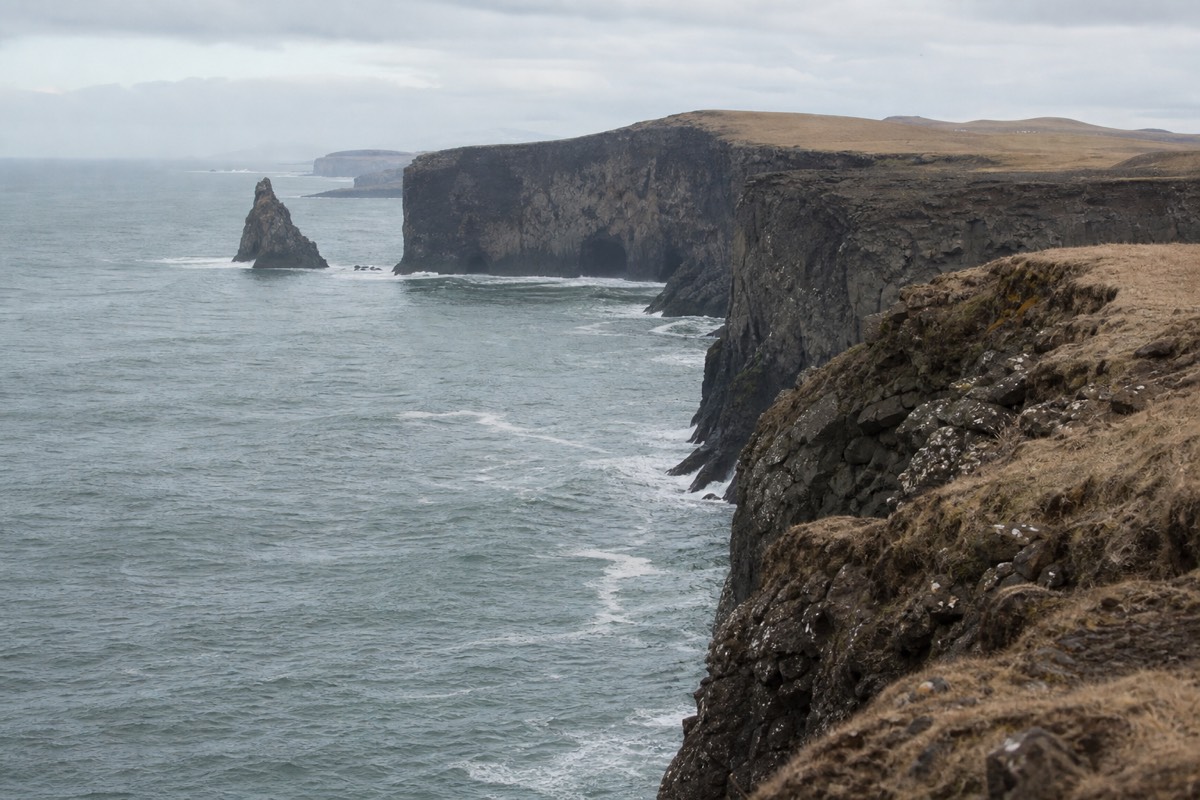
You start in a gravel car park, which is part of the charm and part of the shock. Guides hand out a thermal undersuit that looks like a onesie, then a drysuit that takes two people to seal, then a hood that squeezes your cheeks. By the time you are dressed you are too warm and slightly ridiculous, and everyone in the group looks the same. The briefing covers the one rule that matters: stay on your front, keep your hands folded on your chest, and let the current carry you.
The entry is a metal staircase into the crack. The first ten seconds are the worst of the day, because the water finds the small gap of exposed face between hood and mask and your body reacts before your brain does. Breathing through the snorkel steadies it. Within a minute the cold stops registering as pain and becomes a background fact.
Then the floor drops away and the reason for all of it appears. The fissure walls fall into blue that keeps going, the rock is furred with pale algae in places and bare black lava in others, and the visibility does something your eye reads as impossible. The Big Crack, the Hall, the Cathedral and the Lagoon come in sequence, each with a different width and depth, and the whole thing takes as long as it takes, since the current sets the pace.
The end is a shallow blue-green lagoon where you stand up on a rocky bottom, and the walk back to the car park in a soaked hood is genuinely cold. Every operator has hot chocolate waiting. It is not marketing; you need it. Bring a warm hat for the drive home, because your head stays wet for an hour.
How does a Silfra morning run from Reykjavik?
A meet-on-location slot costs you about four hours door to door: 45 minutes each way plus two hours on site. A pickup tour runs five to six hours, because the bus collects several city stops before it leaves. Both leave enough of the day to do something else, which is the main argument for treating Silfra as a half day.
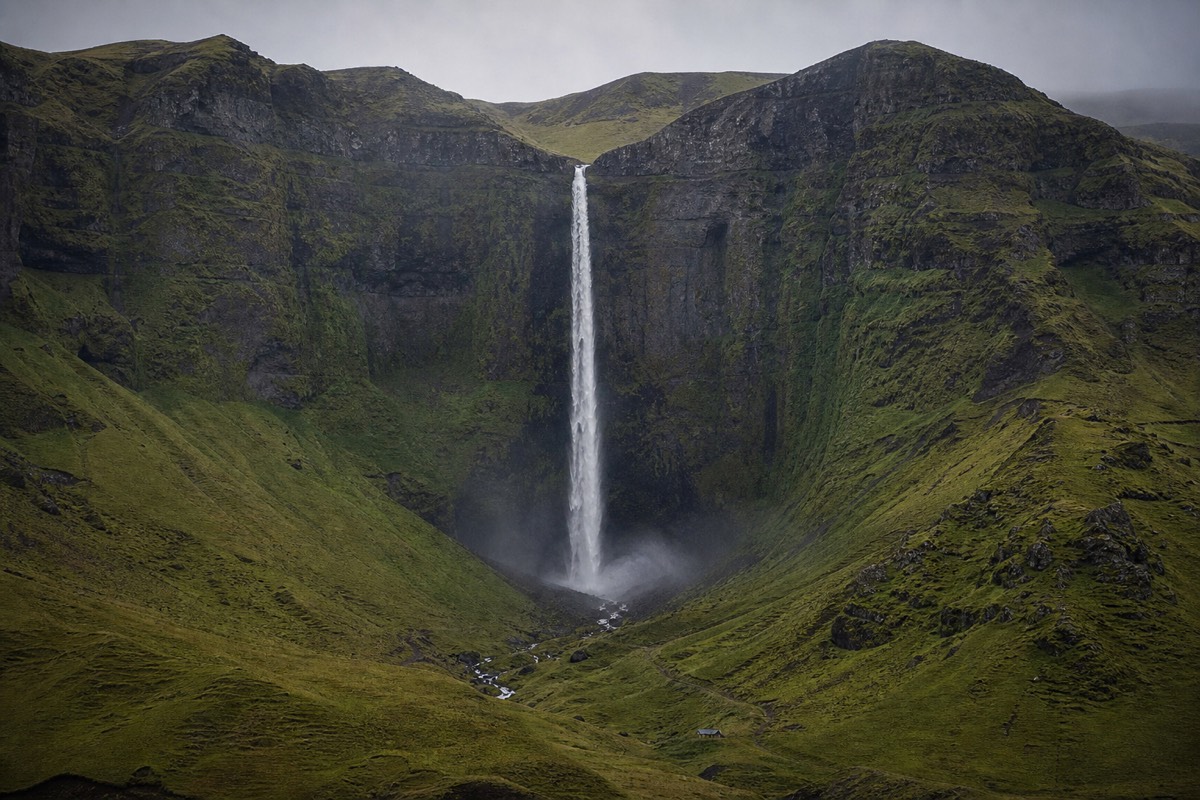
The drive is the easy part. Thingvellir sits 47 km from the city on Route 36, a road that stays open all winter and takes 45 to 50 minutes without stops. In snow, add time rather than drama; the route is one of the best-maintained in the country because the Golden Circle traffic depends on it. Check road conditions before an early winter start.
Pickup tours work on the city's numbered bus stop system rather than door-to-door hotel collection, the same system our own tours use. You walk to your assigned stop, you are there 30 minutes before departure, and the bus does a loop of the city before heading out. That loop is why the pickup version of the same snorkel eats an extra 90 minutes of your day.
Slot timing has a real effect on the experience. The first slot of the morning is the quietest in the water and the coldest in the car park. Midday slots overlap with the Golden Circle bus wave, which does not put more people in the fissure but does fill the parking area and the path. Late afternoon slots in summer get the best light down the crack.
| Stage | Meet on location | With Reykjavik pickup |
|---|---|---|
| Leave the city | 08:15, own car | 07:30 at your assigned bus stop |
| Arrive Thingvellir | 09:00 | 09:15 after the city loop |
| Briefing and suiting up | 09:00 to 09:35 | 09:15 to 09:50 |
| In the water | 09:35 to 10:15 | 09:50 to 10:30 |
| Change, hot chocolate | 10:15 to 11:00 | 10:30 to 11:15 |
| Back in Reykjavik | Around 11:45 | Around 12:45 |
| Rest of the day | Free from lunchtime | Free from early afternoon |
What should you wear under the drysuit?
Thin thermal base layers and wool socks, nothing else. The operator supplies a thick thermal undersuit that goes over your own clothes, so bulky jumpers and jeans make the drysuit fit badly and cost you warmth rather than adding it. What you actually need to plan for is the hour after the swim, not the swim itself.
The most common mistake is dressing for the cold you imagine instead of the cold you get. Inside a sealed drysuit with a supplied undersuit, your torso and legs stay dry and warm. Cotton is the enemy, because if any moisture does reach it, it stays wet. A merino or synthetic base layer top and bottom is the correct answer, and thin ones at that.
Your extremities are a different question. Hands sit in neoprene gloves that flood by design and warm through, so cold fingers are unavoidable and temporary. Your face is fully exposed to 2 degree water for the whole float, and there is no way around that. What you can control is recovery: a dry warm hat, a spare pair of socks, and a jacket that does not mind being put on over a damp head.
If you are pairing this with a longer day out afterwards, our page on what to wear on an Iceland day trip covers the general layering system that works for the rest of the year in this country.
| Item | Bring it? | Note |
|---|---|---|
| Thin thermal base layer, top and bottom | Yes | Merino or synthetic. This is the layer that matters |
| Wool socks | Yes, plus a dry spare | Feet get cold last and stay cold longest |
| Warm hat for afterwards | Yes | Your hair stays wet for the whole drive back |
| Jeans or thick jumpers | No | They bunch inside the suit and reduce insulation |
| Swimsuit | No | You do not get wet inside the suit |
| Contact lenses | Yes, better than glasses | Glasses will not fit under the mask |
| Phone or camera | Leave in the car or the bus | Nothing goes in the water with you |
| Towel | Small one | For hair and face; your body is dry |
Which months work best for Silfra?
The water does not change, so the season only affects the air, the light and the crowd. June through August give the brightest fissure and the busiest car park. October through March give near-empty slots, dark drives and the chance of aurora on the way home. April, May and September are the quiet sweet spot.
People assume summer is the obvious pick because 2 degree water sounds worse in January. In practice the suit removes that variable entirely, and what actually differs is what happens above the surface. The genuinely hard part of a winter Silfra trip is not the swim, it is standing in a car park in a wind chill while a guide zips you in.
Winter has one real advantage worth planning around. Reykjavik gets about four to five hours of usable daylight in late December, sunrise near 11:20 and sunset near 15:30, which makes a full-day bus tour feel compressed. A Silfra slot needs almost no daylight and works perfectly inside that short window, leaving the dark evening free for an evening aurora hunt. In summer the opposite trick works: the fissure is one of the few things worth doing early, since the midnight sun in Iceland keeps everything else available until well past dinner.
| Window | Air and light | Crowd level | Verdict |
|---|---|---|---|
| December to February | Around freezing, 4 to 5 hours of light | Lowest of the year | Best for empty slots; pair with an aurora evening |
| March and April | Cold but lengthening days | Low | Strong all-round choice, still cheap |
| May | Mild, very long light | Rising | The quiet sweet spot before the summer wave |
| June to August | Warm car park, light all night | Highest; slots sell out | Brightest water, book weeks ahead |
| September | Cooling, aurora season restarts | Falling fast | Arguably the best month overall |
| October and November | Wet, windy, short days | Low | Cheapest slots, check the road first |
Can you do Silfra and the Golden Circle on the same day?
Only if you drive yourself, and only if you start early. A standard Golden Circle bus gives Thingvellir 45 to 90 minutes, which does not cover a two-hour snorkel, so the two do not stack on one coach. Self-drivers can snorkel at 09:00 and still reach Geysir, Gullfoss and Kerid by mid-afternoon.
The geography makes it tempting. Silfra is inside the first stop of a route that loops roughly 230 km and takes six to eight hours with stops, so the fissure is technically on the way. The problem is time budgeting rather than distance. A snorkel takes your whole morning, and the Golden Circle done properly wants five hours of its own. Squeezing both means rushing the part you paid most for.
If you would rather not drive on winter roads, the cleaner solution is to split them. Book a snorkel one morning, then take a classic Golden Circle tour on a different day and get Geysir, Gullfoss, Kerid and the Blue Lagoon soak without watching the clock. The what is included in a Golden Circle tour breakdown sets out exactly which stops and fees are already in the ticket. The Day Trips From Reykjavik tours we run all leave the city early for this reason: the front half of the day is where the good light and the empty car parks live.
| Approach | Time cost | What works | What breaks |
|---|---|---|---|
| Snorkel only, meet on location | About 4 hours | Afternoon stays free for the city or a lagoon | Needs a car or a paid transfer |
| Snorkel plus self-driven Golden Circle | 10 to 11 hours | Both done in one long day, 09:00 start | Rushed at Gullfoss; hard in winter darkness |
| Snorkel with pickup, nothing else | 5 to 6 hours | Zero logistics, no car needed | Costs ISK 8,000 to 11,000 more per person |
| Golden Circle bus, snorkel another day | Two half or full days | Each gets proper time; no clock-watching | Uses two days of a short trip |
| Snorkel plus an evening tour | 4 hours plus 4 hours | Best use of a short winter day | Long day if the aurora hunt runs late |
Who should skip Silfra?
Skip it if anyone in the group is under 12 or under 150 cm, if cold water genuinely frightens you rather than just sounds unpleasant, or if you have one day in Iceland and have not yet seen a waterfall. It is a specific, narrow, brilliant experience, not a highlight reel.
Claustrophobia is the honest disqualifier nobody mentions. The drysuit is tight at the neck, the hood presses on your ears and cheeks, and the mask covers your face. For most people that is mildly annoying for ten minutes. For a few, it is unbearable, and the moment to find out is not while floating in a fissure.
The other group who should think twice are visitors on a genuinely short trip. If you have two days, the marginal value of a first waterfall or a first black beach is higher than the marginal value of a snorkel, however good the photographs are. The guided South Coast day trip covers more ground on a first visit, and most short-trip visitors are better served putting a first waterfall ahead of a first fissure.
Non-swimmers are simply out. There is no version of this where a guide tows you, and no operator will bend on it.
How do you book Silfra without the two classic mistakes?
Mistake one is booking the last morning of the trip, which leaves no room for a weather reschedule. Mistake two is comparing prices without checking whether pickup and photos are in or out. Fix both and the rest of the process is simple, because every licensed operator runs the same fissure under the same permits.
Slots are capped, so summer sells out weeks ahead and winter usually does not. If your dates are in June, July or August, book before you fly. If they are in November, you can often pick up a slot two or three days out, which is also when you can see a real forecast on the Icelandic Met Office site and pick a calm morning.
Read the meeting point twice. Meet-on-location means the Silfra car park inside Thingvellir, not the visitor centre and not the Hakid viewpoint, and the two are far enough apart to matter when you are already late. If you are self-driving, buy the ISK 1,000 parking ticket at the machine or through the park's app, since one ticket covers all the main lots for the day.
Finally, think about what happens after 11:00. A snorkel finishes early enough that the rest of the day is yours, and the strongest pairings are the ones that need no driving: the Secret Lagoon at Fludir if you want to be warm again quickly, or a comparison of Sky Lagoon vs Blue Lagoon if you would rather stay near the city. Our full Thingvellir National Park guide covers what to walk while you are already inside the park, and how far you can travel in one day sets out what is realistically reachable after a morning in the water.