What I Wish I Knew Before Going to Iceland?
Ask a guide what guests say on the drive back into Reykjavik and the same short list comes up, trip after trip, season after season.
Iceland becomes easier once you plan around daylight, route length and the pickup printed on each booking. The right first reservation depends on your season and available hours. Explore Golden Circle And Kerið
Booking Choice: Allow one substantial route per day, verify whether pickup means a hotel or numbered stop, and schedule weather-dependent experiences early. Compare a guided Golden Circle day, a rebookable aurora hunt and Blue Lagoon admission with Reykjavik transfers. View Golden Circle And Kerið
What do most visitors wish they had known before landing?
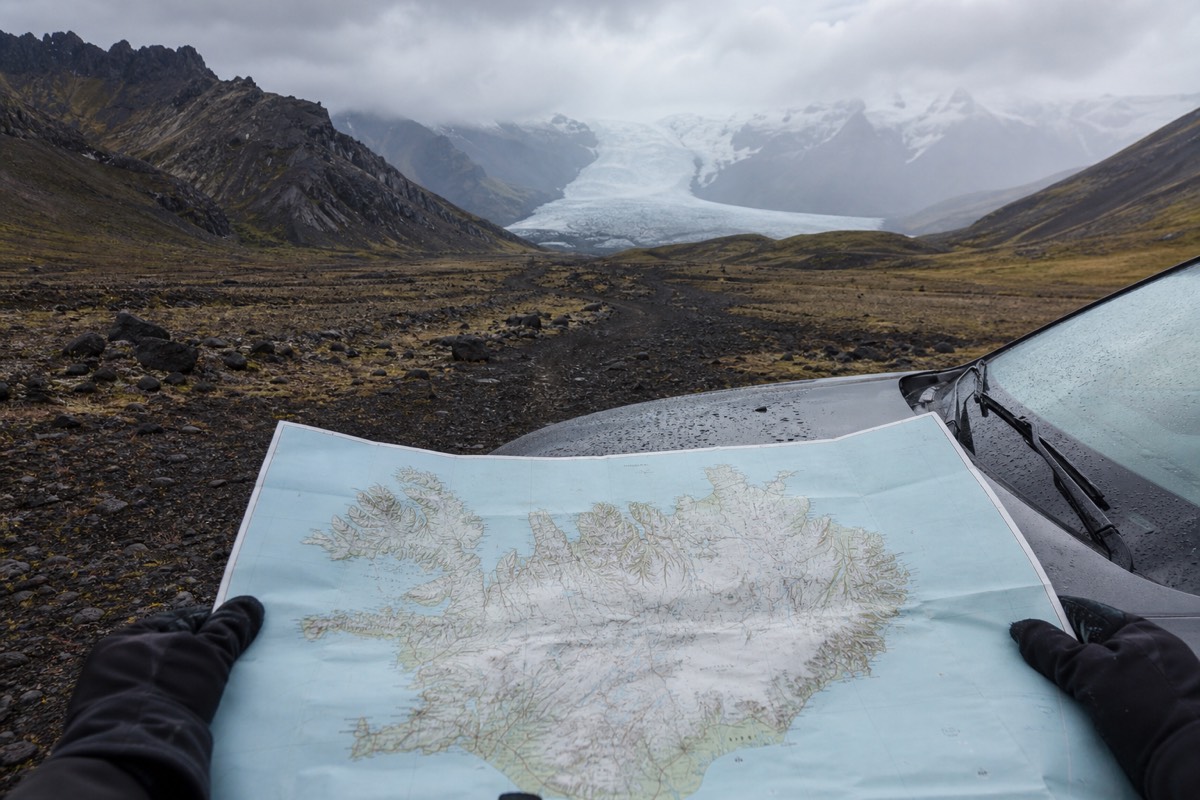
Three things, in the order they cause trouble. The country is bigger than the map suggests. The light is either too short to waste or never switches off. And tour pickup happens at numbered bus stops, not your hotel door. None of it is hidden. It just fails to register until you are outside in the dark.
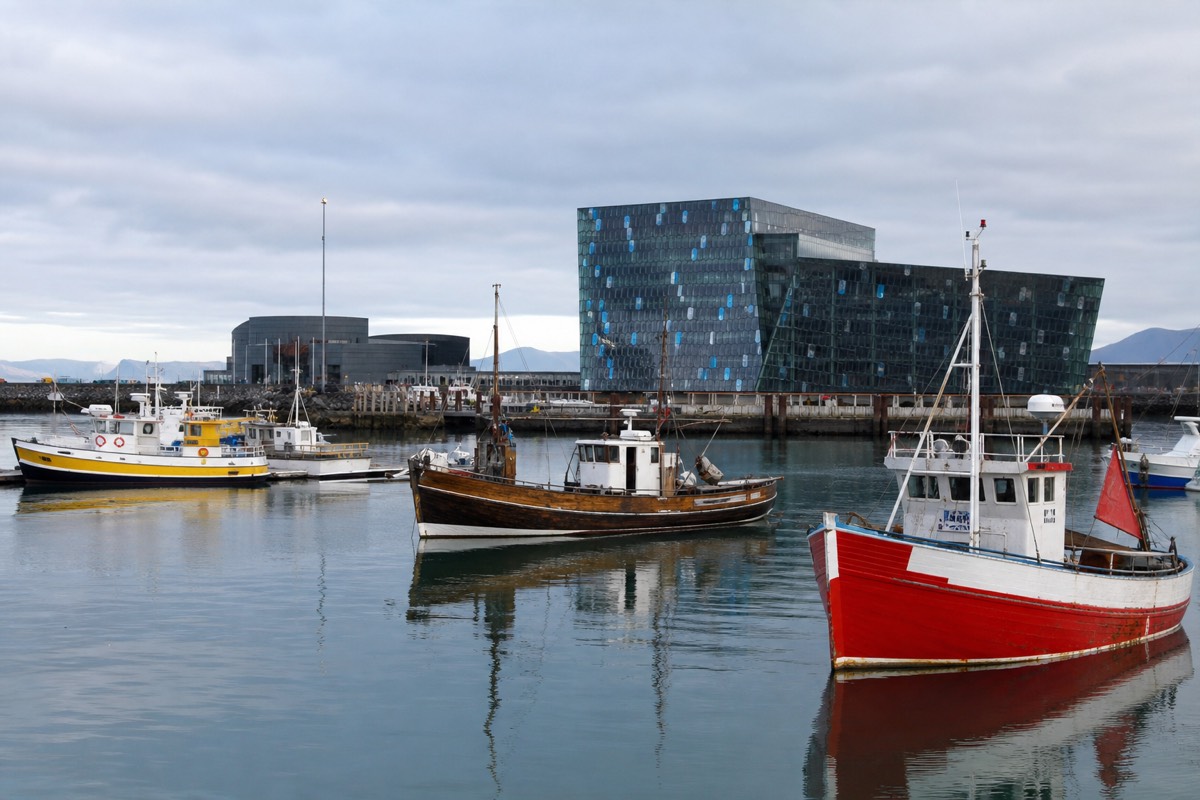
Our guides hear the debrief on every return leg, and it is remarkably consistent. Almost nobody regrets the weather or the cost. What they regret is planning: three sights crammed into a December day with five hours of light, two nights budgeted for the aurora, an itinerary built on how close things looked on the map.
Why does the pickup system confuse first-timers?
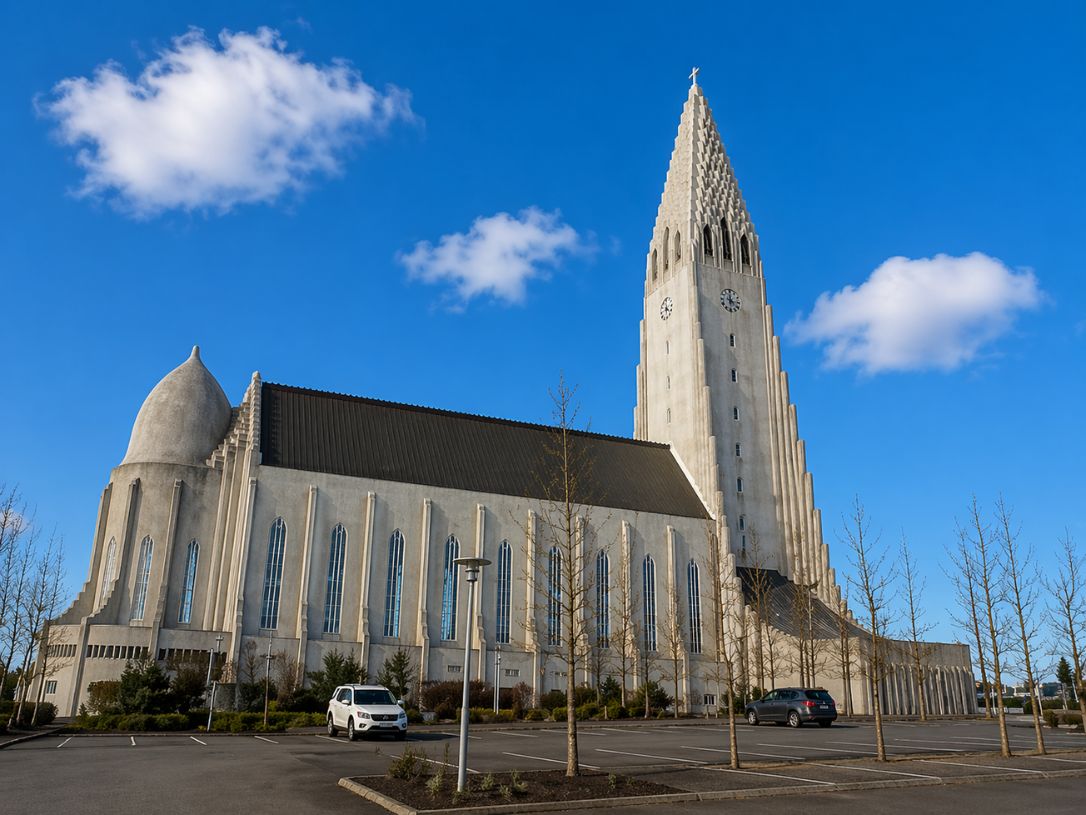
Central Reykjavik works on designated tour bus stops rather than doorstep collection, because large vehicles cannot work the narrow streets of the old centre. Your booking names a numbered stop, Stop 12 at Höfðatorg or Stop 8 by Hallgrímskirkja among them, and you walk there. Arrive 15 to 30 minutes early depending on the operator.
The failure mode is always the same: a guest waits in the hotel lobby for a bus that is never coming, and the tour leaves without them. Find your stop the evening before, on foot, so you are not looking for a numbered sign in the dark with eight minutes to spare. Hotels outside the restricted centre often do get a door pickup, which is why the answer sounds contradictory when travellers compare notes. The mechanics are set out in full on how Iceland day tours handle hotel pickup.
How short is a winter day, really?
In late December, Reykjavik gets roughly four to five hours of usable daylight, with sunrise around 11:20 and sunset around 15:30. Tours still run and still reach every major site. They simply start and finish in the dark. One substantial thing per day is the honest December plan, not three.
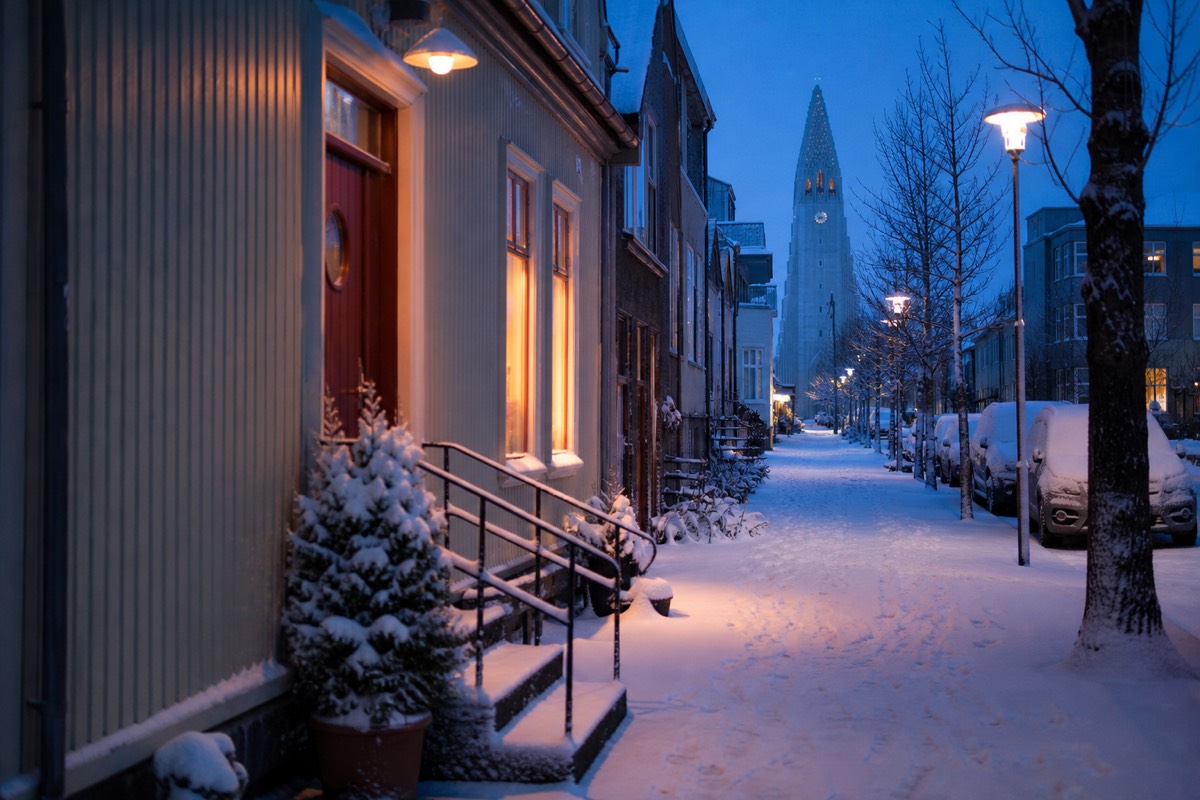
The compensation is real: for those few hours the sun barely climbs, so the entire day is shot in low golden light that photographers travel for. Paths ice over at natural sites from October through April, which changes footwear from a preference into a requirement. If your trip falls in that window, our guide to day trips from Reykjavik in winter maps which routes still work and which get cut short by the light.
What do people misjudge about the Northern Lights?
How many nights it takes. Five nights in Iceland gives a reasonable probability of one clear, active evening. Two or three nights carries a genuine risk of cloud from arrival to departure. Aurora hunting is a probability game and the only variable you fully control is the number of attempts you give yourself.
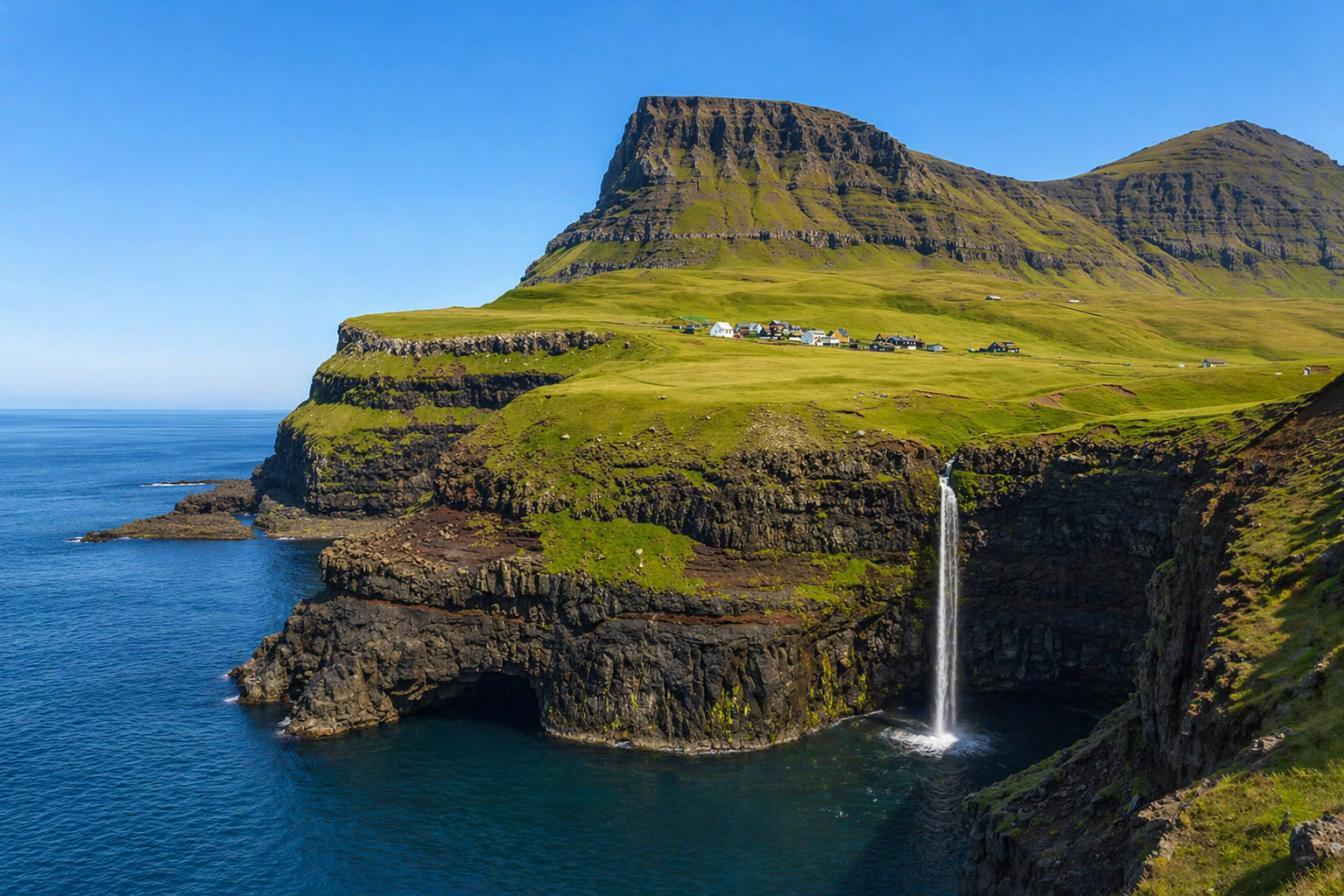
The second overlooked factor is the rebooking policy, which matters more than the ticket price. Our evening hunt rebooks you free if the sky does not perform, and issues an open ticket valid for three years if you leave without a sighting, so a blank night costs you time rather than money. Check the aurora forecast from the Icelandic Met Office each afternoon and treat cloud cover as the real enemy, not solar activity. Timing across the season is covered in our guide to the best time for the Northern Lights.
What surprises people at the lagoons and pools?
The shower. Every geothermal facility in Iceland requires a full wash without a swimsuit before you enter the water, and staff enforce it. The second surprise is booking: the Blue Lagoon takes no walk-ins and prices dynamically, so the same slot on the same day costs more the longer you wait.
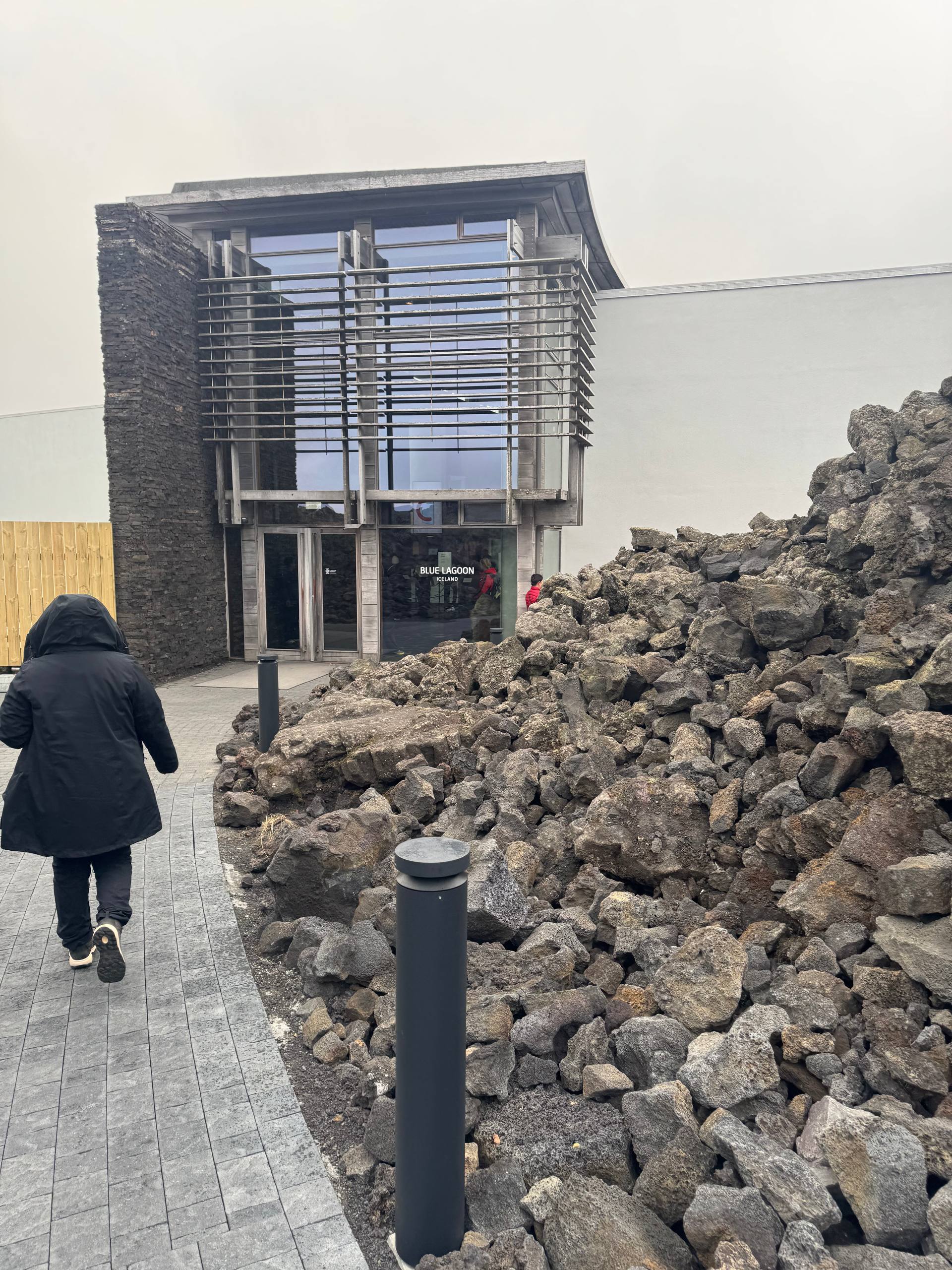
Comfort entry starts from around ISK 11,990, roughly $96, and rises with demand, so popular dates are cheaper booked weeks out. Bring conditioner or use what is provided, tie long hair up and keep it out of the water, because the silica takes days to comb out otherwise. Everything inside runs on an electronic wristband that settles against your card at exit, and no cash changes hands at any point.
How far can you actually get in one day?
Further than you expect, slower than you hope. From Reykjavik the South Coast run is about ten hours door to door. The classic Golden Circle finishing at the Blue Lagoon is about eleven. The glacier lagoon day is about eleven hours, most of it road. Distance on an Icelandic map compresses in a way the actual driving does not.
| What people expect | What actually happens |
|---|---|
| The bus collects me at my hotel | Numbered tour bus stops in the centre, 15 to 30 minutes early |
| December days are short | Four to five hours of light, sunrise near 11:20, sunset near 15:30 |
| Two nights is enough for the aurora | Five nights gives a reasonable chance of one clear evening |
| Summer nights get dark enough for a glimpse | No true darkness in Reykjavik from late May to late July |
| I will pay cash at rural stops | Card first, Parka app for parking, banknotes rarely needed |
| The glacier lagoon is a half-day | Around eleven hours from Reykjavik and back |
| I can walk from the changing room into the pool | A full shower without swimwear first, enforced everywhere |
Day trips from Reykjavik tours exist precisely because the driving is the hard part of an Icelandic itinerary, and our page on how far you can travel in one day works through the arithmetic route by route.
What about money, driving and the weather?
Cards work almost everywhere, so carry very little cash. Rental cars now carry a per-kilometre road tax introduced on 1 January 2026 at roughly 8.81 ISK per kilometre, which changes the self-drive maths on long loops. Weather closes roads with little notice, and the closure is not negotiable.
Parking at Þingvellir costs ISK 1,000 for a standard car, paid through the Parka app or at the machines, and one ticket covers every lot for the day. Before any self-drive morning, read road conditions and the forecast, then decide. Plenty of visitors work out mid-trip that a guide who drives these roads weekly is the better call in winter, which is the honest comparison we lay out in self-drive vs guided.
What would we tell a friend flying in next week?
Book the weather-dependent things first and early in your stay, so a bad night has a spare night behind it. Keep one day loose. Plan around the light rather than around the map, and drink the tap water, which is better than anything you can buy in a bottle here.
The rest is small stuff that adds up. Swimwear in the daypack, because half the good stops end in warm water. A power bank, since cold drains a phone quickly. A supermarket lunch instead of a roadside café bill. And enough patience for one afternoon of horizontal rain, which will happen, and which usually turns into the photograph everyone remembers.