What's the Cheapest Month to Go to Iceland?
January, once the New Year traffic clears, with February and early November close behind. The catch is that only half your budget moves with the calendar.
Once you choose a low-demand month, protect the saving by matching fixed ground costs and limited daylight to transfers and tours that actually fit your itinerary. Explore Small-Group Northern Lights
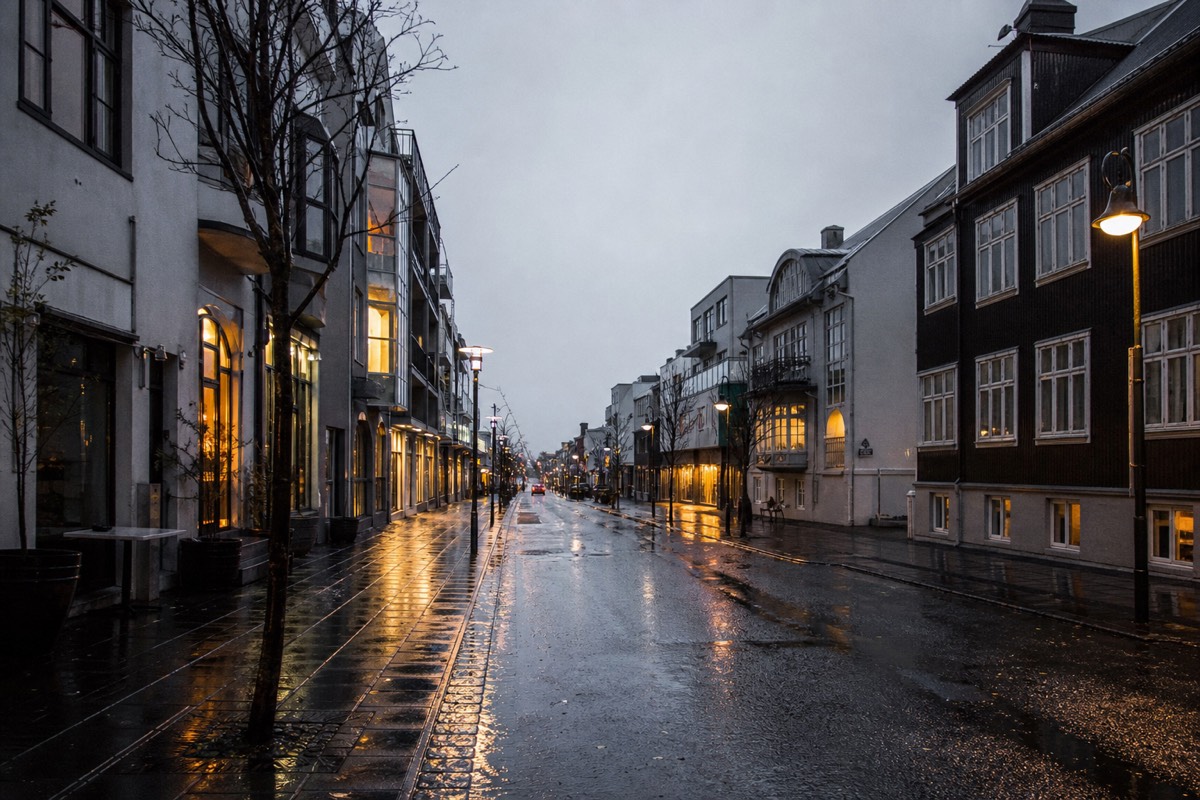
Booking Choice: January is usually cheapest after New Year, but flights and beds drive the saving. Compare fixed transfer and excursion costs, then choose short winter experiences or daylight-efficient routes that fit your dates and trip length. View Small-Group Northern Lights
What's the cheapest month to go to Iceland?
January, once the New Year crowd flies home, with February and the shoulder edges of late October and early November close behind. Flights and accommodation are demand-priced, and demand bottoms out in the weeks after the holidays. Everything on the ground costs the same as it does in July.
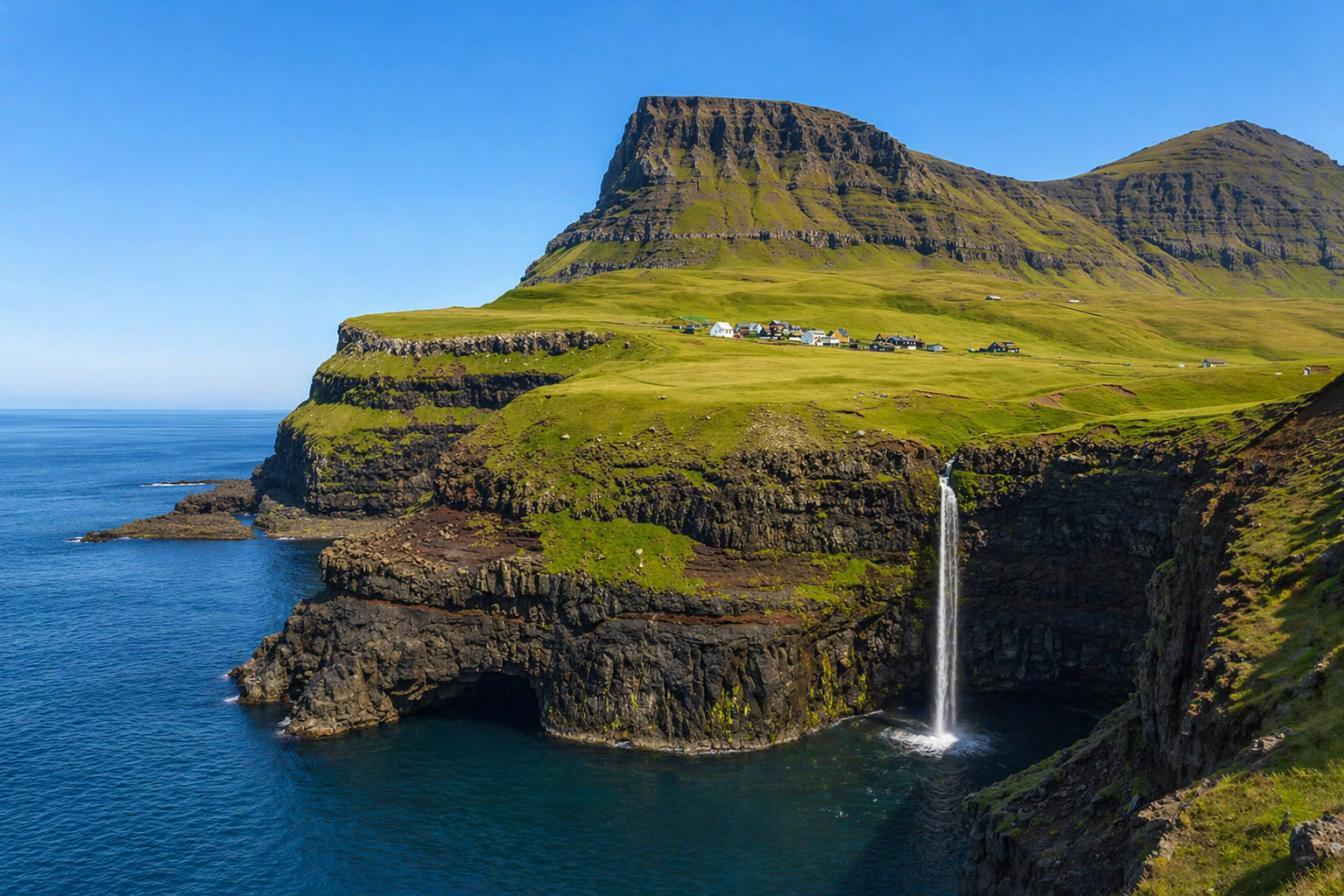
That second sentence is the part most cheap-travel advice skips. Airfare and a hotel room respond to the calendar. A parking ticket at Þingvellir does not. Neither does a bus fare from the airport, an entry fee at a crater, a ferry ticket, or the price of a seat on a guided day trip. Understanding which half of your budget actually moves is what turns a cheap month into a cheap trip.
Avoid the two spikes inside the off-season: Christmas through the first days of January, when the capital fills up, and the Easter week, which behaves like a small summer. Land in the middle of January instead and you are travelling in the quietest weeks Iceland has.
What stays exactly the same whichever month you pick?
Ground costs are fixed. Transfers, parking, entry fees, ferry tickets and guided excursion prices do not drop in January. Budget them as a constant and put your month-shopping effort entirely into flights and beds, where the movement actually is.
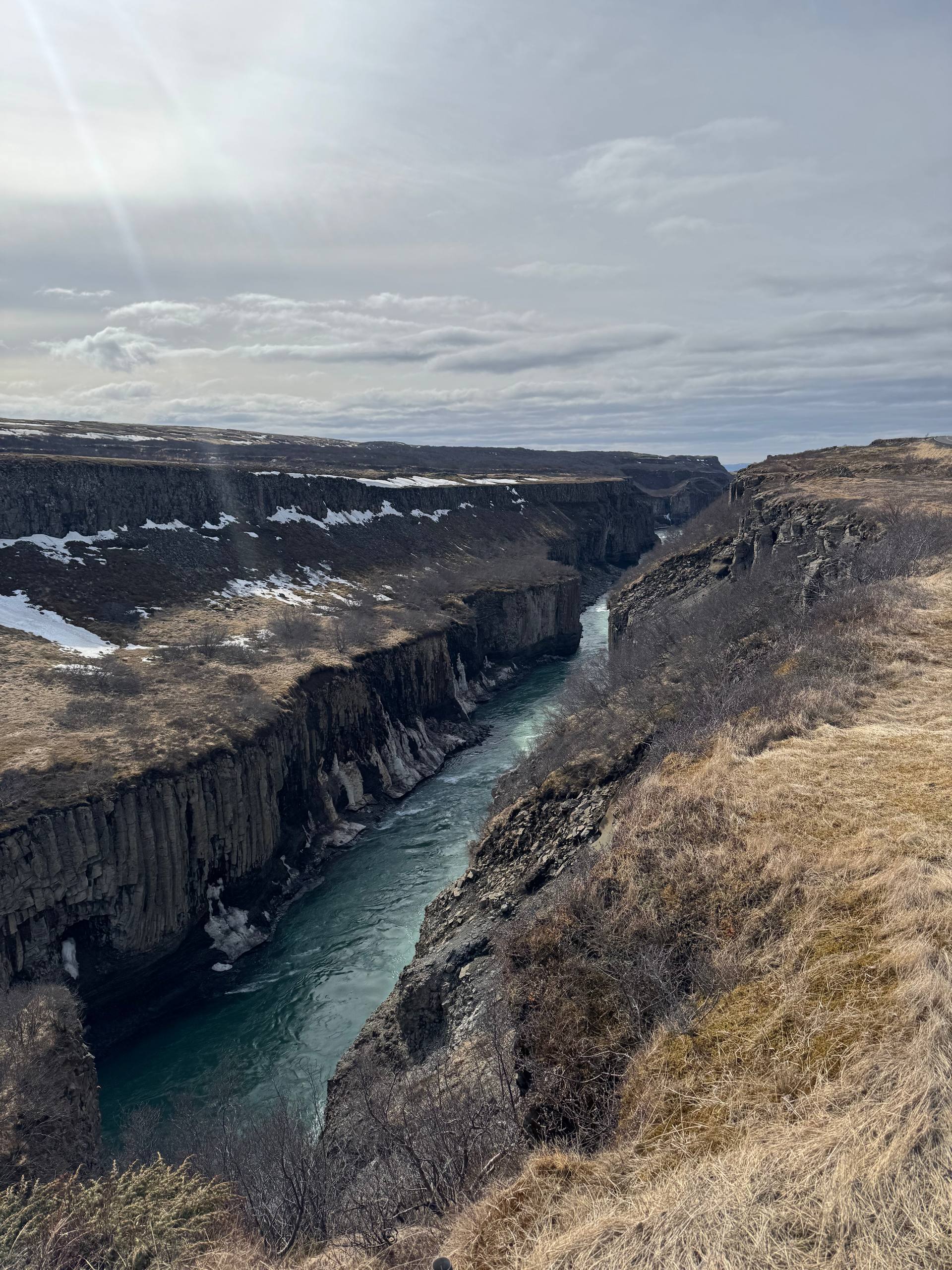
Here is what those constants look like, from current published rates. Approximate dollar figures are rounded and move with the exchange rate, so treat them as a guide rather than a quote.
| Cost line | Published price | Roughly | Notes |
|---|---|---|---|
| Airport bus to the BSÍ terminal, one way | ISK 3,999 adult | ~$28 | About 45 minutes from Keflavík |
| Taxi, Keflavík to central Reykjavik | ISK 20,000 to 24,500 | ~$140 to $170 | The single most expensive avoidable line on arrival day |
| Þingvellir parking, per car | ISK 1,000 per day | ~$7 | One ticket covers all lots; entry to the park is free |
| Kerið crater entry | ISK 600 to 700 adult | ~$5 | Under 12s free, parking free |
| Secret Lagoon at Flúðir | ISK 4,500 adult | ~$32 | The cheapest of the well-known geothermal pools |
| Blue Lagoon, Comfort entry | From ISK 11,990 adult | ~$84 | Dynamic pricing, so this one does move with date and time |
| Sky Lagoon, Saman entry | From ISK 13,990 adult | ~$98 | Sér package from ISK 16,990 |
| Reykjadalur hot river parking | ISK 300 per hour or 1,000 up to five hours | ~$2 to $7 | The hot river itself is free |
| Westman Islands ferry, one way | ~ISK 2,700 adult | ~$19 | 35 minute crossing; book vehicles ahead in summer |
Look at that list and the strategy writes itself. Take the airport bus and you keep the price of two excursions in your pocket before you have even reached town. Swap one premium lagoon for the Secret Lagoon at Flúðir or a municipal city pool and you save again, on the day, without giving up the experience of sitting in hot water while it snows.
What does the cheap month actually cost you?
Daylight, mostly. Around the December and January solstice period Reykjavik gets roughly four to five hours of usable light, with sunrise near 11:20 and sunset near 15:30 in late December. Every distance estimate needs cutting by about 30 percent, and the longest routes stop making sense.
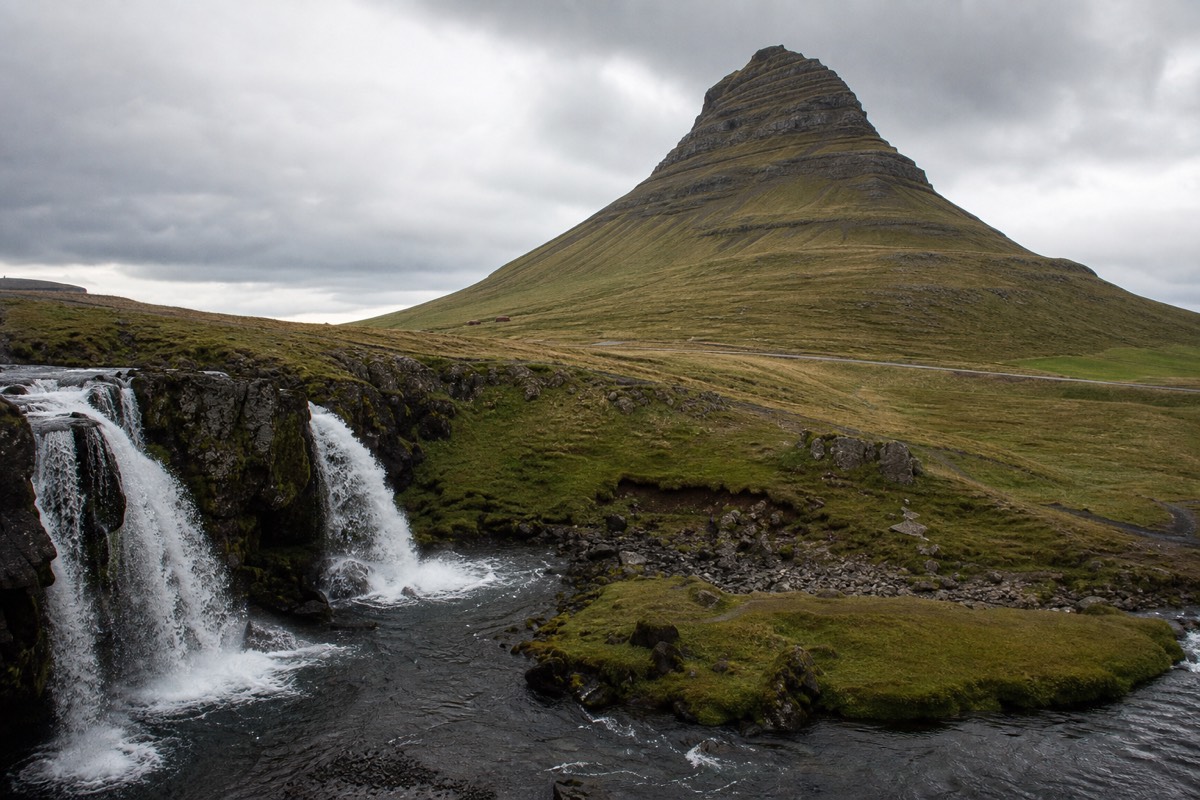
That is the real exchange rate of a January trip: you pay in itinerary rather than in cash. A Snæfellsnes circuit that runs comfortably in June is a stretch in January, which is why the peninsula loop is best from May through October. The glacier lagoon at 380 km east becomes a very long day in the dark at both ends. What still works well, and works genuinely well, are the Golden Circle, the South Coast to Reynisfjara and Vík, Reykjanes, the ice caves that only exist in winter, and the aurora.
Weather is the other cost. Deep winter carries the season's highest cancellation risk, so build slack into the schedule and check road conditions and the Icelandic Met Office forecast the night before rather than the week before. Our winter day trips guide covers which routes hold up when daylight is short, and Reykjavik without a car covers the version of this trip where you skip rental and insurance costs entirely.
Where are the savings actually worth chasing?
In order: skip the airport taxi, book the shorter excursions, choose the free or low-cost geothermal options, and do not rent a car you will only park. Chasing a cheaper month while paying ISK 20,000 for one airport ride cancels the saving before day one ends.
Excursion length is the lever most travellers ignore. A four hour evening aurora hunt is the least expensive guided thing you can do out of the capital, listed around $74 at the time of writing, and a three hour whale watching sailing from the Old Harbour sits near $105. A full-day route with a premium lagoon included is a different order of spend. None of those prices swing with the season, so the choice is about what you want rather than when you book. Day trips from Reykjavik tours all show live pricing and free-cancellation windows on their listings, which is the number to trust rather than any figure in an article.
Two more that add up quietly. Iceland is card-friendly almost everywhere, but rural parking machines and a few small stops want the Parka app or a little cash, so set that up before you leave town rather than at a windswept car park. And getting from the airport is covered properly in our Keflavík Airport to Reykjavik guide, including how the bus timings line up with arrivals.
Is the cheapest month also the best value?
Not always. September, October and late April cost more than January but deliver far more usable daylight per day, which for a short trip can be better value per dollar. The cheapest month suits long stays and aurora hunters; the shoulder months suit anyone with under a week.
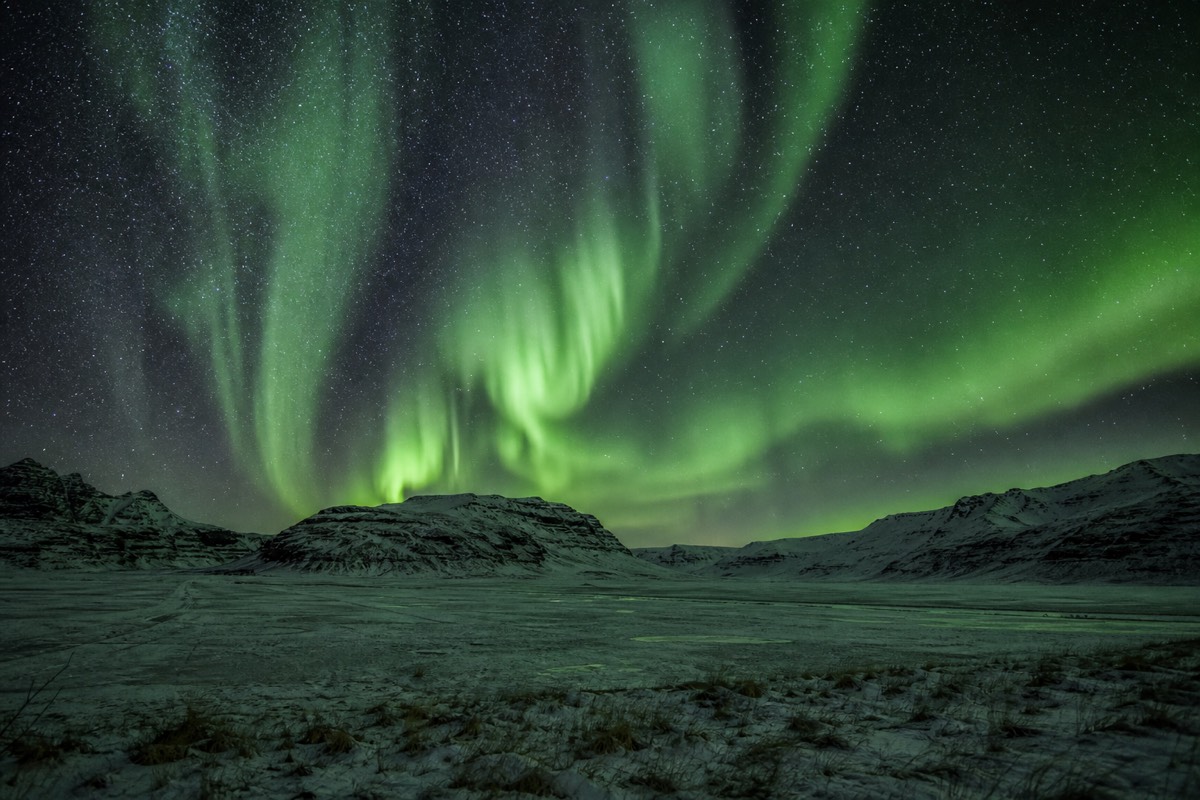
Think of it as cost per thing seen rather than cost per night. Five nights in January with four hours of light a day gives you roughly twenty hours of daylight to work with. Five nights in late September gives you several times that, plus dark evenings for the aurora, plus open roads to the peninsulas. The nightly rate is higher; the yield is much higher too.
Where January genuinely wins is on a longer stay, on an aurora-led trip where daylight matters less, or for anyone who values empty viewpoints over convenient ones. Standing at Gullfoss in January with almost nobody else there is a different experience from the same spot at midday in July, and no discount code buys that. If you are still weighing dates, our answer on the best month to go to Iceland takes the same calendar from the opposite direction.