What Is the Best Month to Go in Iceland?
There is no single answer, but there is a best month for each kind of trip. September wins for most first visits, June for daylight, February for the Northern Lights.
Your best month depends on the experience you would regret missing. Compare a long landscape circuit, a forecast-led aurora hunt and a guided highland hike before fixing dates. Explore Snæfellsnes Day Trip
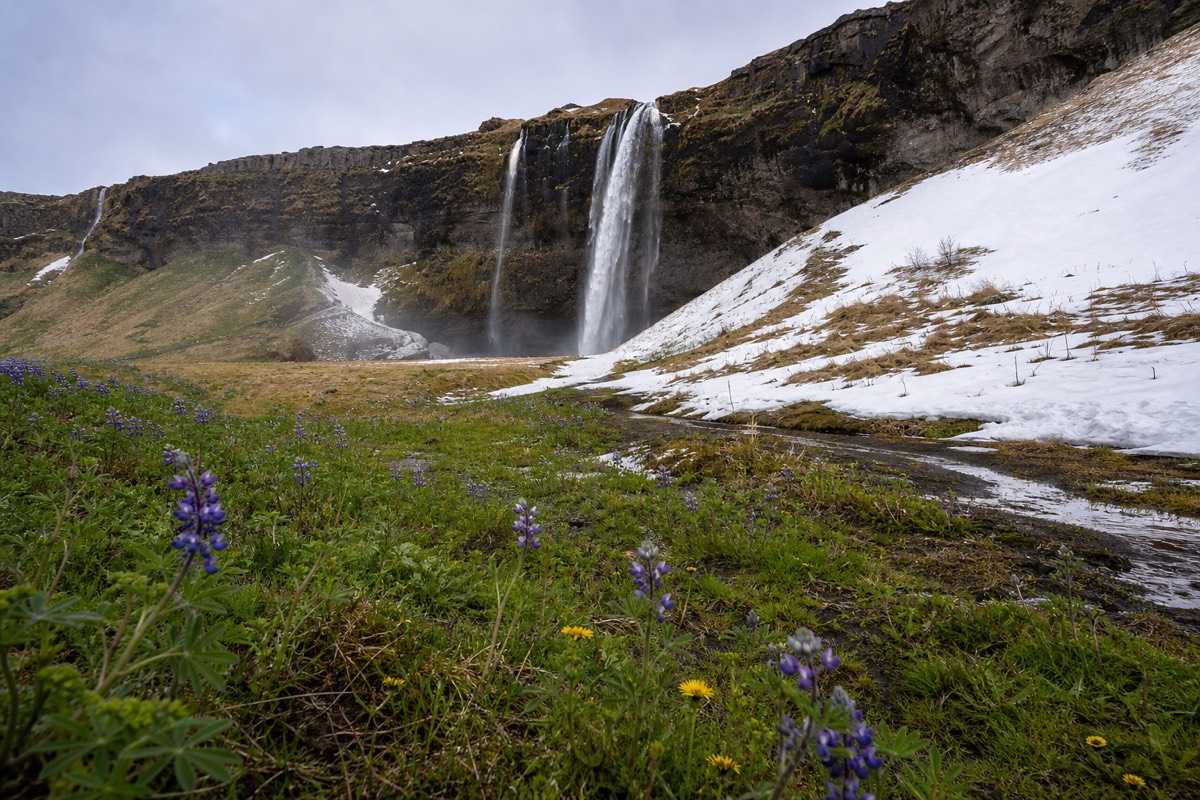
Booking Choice: September offers the broadest first-trip compromise. Choose June or July for long landscape and highland days, or February for an aurora-focused visit, then confirm that your preferred Reykjavík excursion fits your available time and travel date. View Snæfellsnes Day Trip
What is the best month to go to Iceland?
September, for most first trips. Daylight is still generous, the summer crowds thin out after August, every road you want is open, and the aurora season has just started, so one visit can hold both the daytime routes and a genuine chance at the lights.
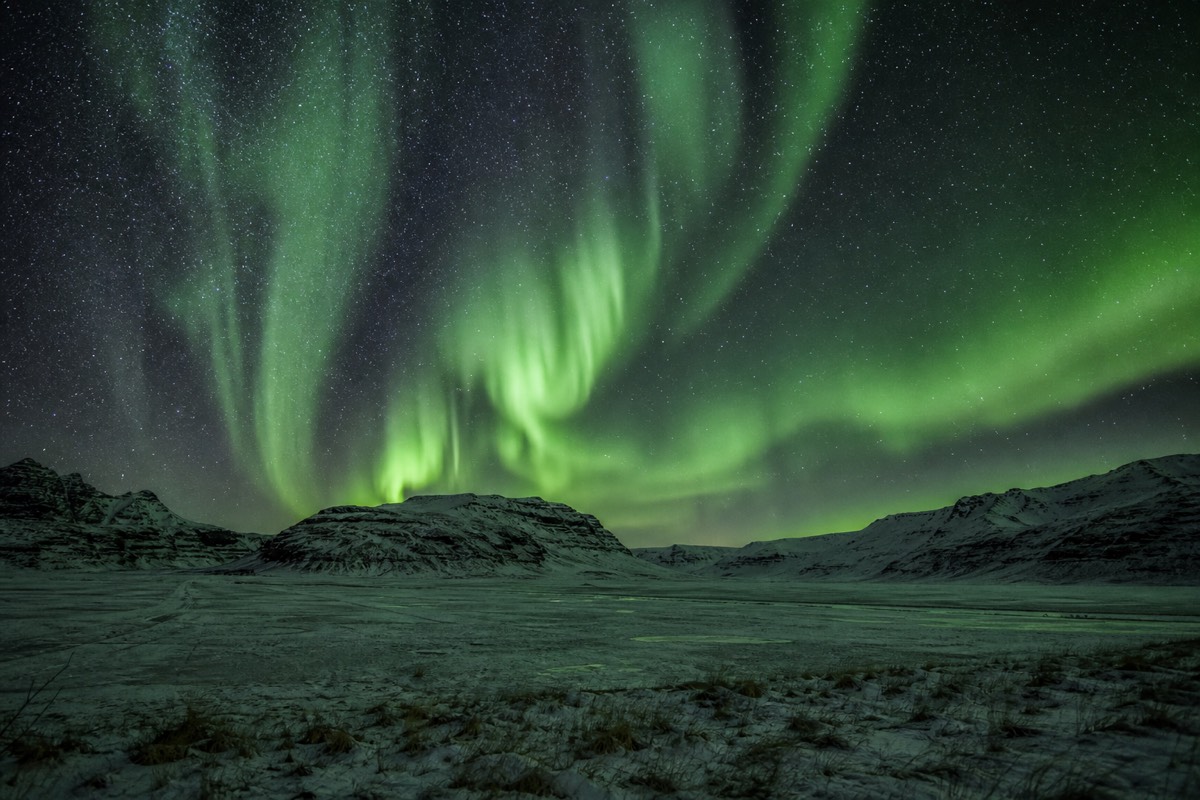
That is the answer our team gives most often, and it is a compromise rather than a maximum. September does not have June's endless light or February's dark skies. What it has is the fewest trade-offs, which matters more on a first trip than any single peak. The September to October window is the one we recommend for travellers who want sightseeing and a Northern Lights chance in the same booking.
If you already know what you came for, the answer changes. Came to see the country in full daylight, hike, and reach the peninsulas and the highland edges? June or July. Came specifically for the aurora and are willing to work around four or five hours of daylight? February. Came for the lowest possible bill? That is a different question and we answered it separately in the cheapest month to go to Iceland.
How do the months actually compare?
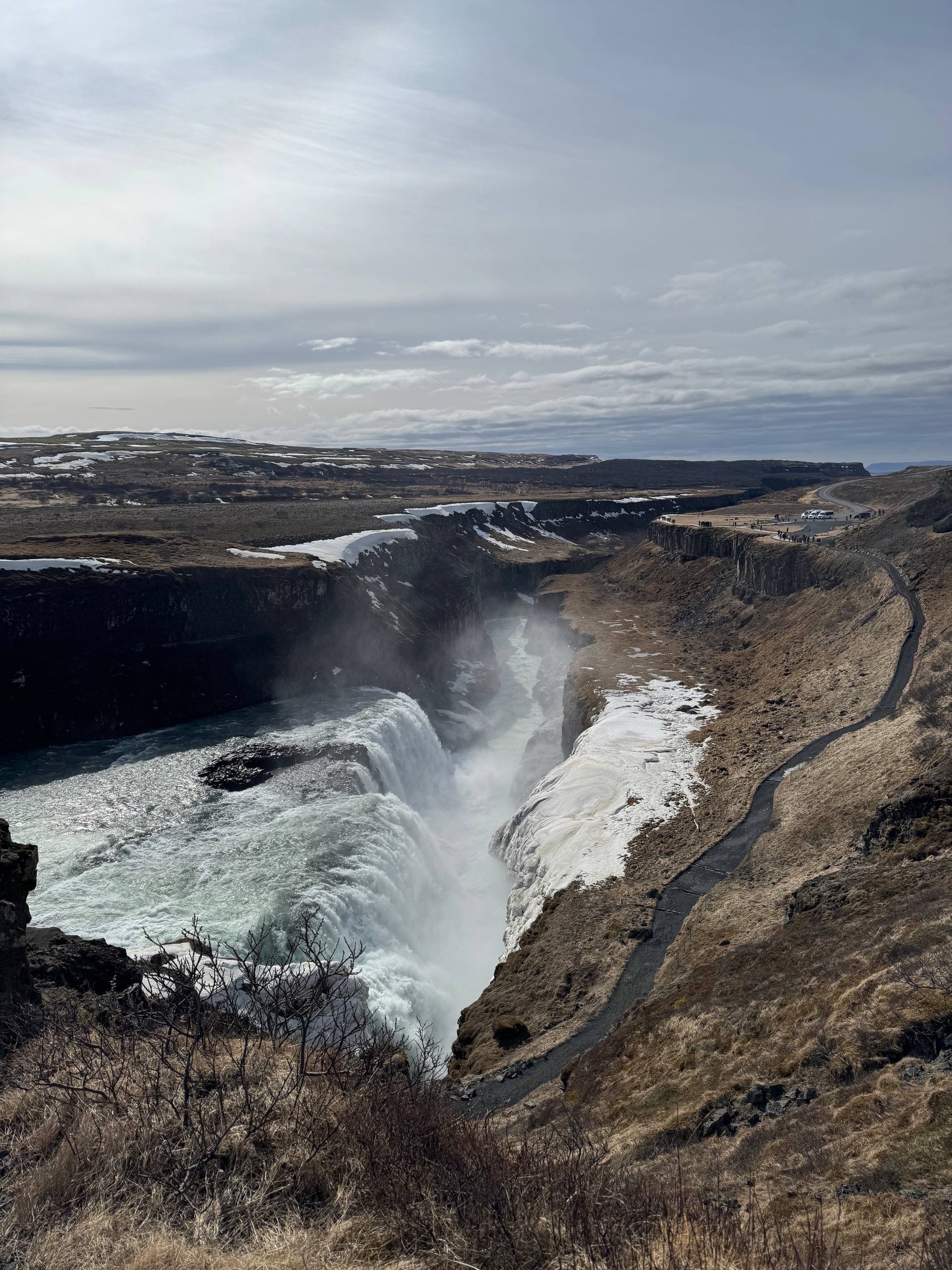
Four variables decide an Iceland month: how much daylight you get, which roads and routes are open, whether the sky can produce aurora, and how many other people are standing at Gullfoss. No month wins all four, and the two strongest, June and February, sit at opposite ends of every column.
| Window | Daylight | Access and roads | Aurora | Crowds | Best for |
|---|---|---|---|---|---|
| January to February | About 4 to 5 hours at the turn of the year, growing fast through February | Golden Circle, South Coast and Reykjanes run year round; Snæfellsnes and highland routes are limited | Very good; February is the strongest single month | Lowest of the year after New Year | Aurora, ice caves, quiet |
| March to April | Climbing quickly, roughly even day and night at the equinox | Improving week by week | Excellent in March thanks to the equinox effect, fading by mid-April | Still low | Aurora plus longer sightseeing days |
| May | Long, and no true darkness by late May | Almost everything reopens; Snæfellsnes is back in its May to October window | Over for the season | Building | Waterfalls at full volume, puffins arriving |
| June to July | No true darkness in Reykjavik from late May to late July | The widest access of the year | Impossible | Peak, worst between 10 AM and 5 PM at the famous stops | Seeing the most country in the fewest days |
| August | Shortening; real darkness returns late in the month | Still fully open | Season begins late August | High until school holidays end | Whales, puffins until mid-month, warm-ish weather |
| September to October | Generous in September, dropping fast through October | Open, with Snæfellsnes good through October | Very good; equinox boost around late September | Drops noticeably after the summer peak | The best all-round compromise |
| November to December | Down to about 4 to 5 hours by the solstice, sunrise near 11:20 and sunset near 15:30 in late December | Core routes run; longer ones get tight | Maximum darkness, highest cloud and storm risk | Low outside the Christmas and New Year peak | Winter atmosphere, ice caves |
Why June and July win if you came to see the country?
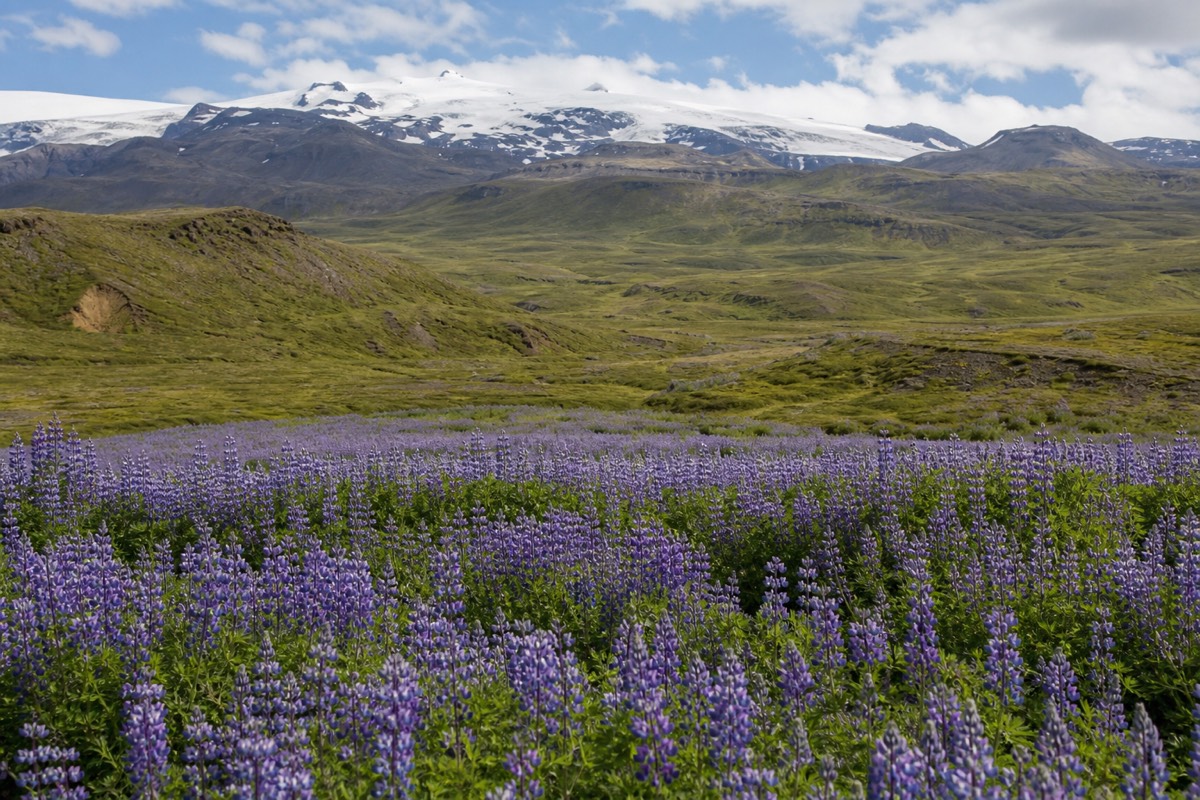
Summer gives you time. With no true darkness between late May and late July, a Golden Circle loop can start at 6 AM and finish by early afternoon, and the Snæfellsnes Peninsula circuit of 10 to 12 hours fits inside a comfortable day rather than a heroic one.
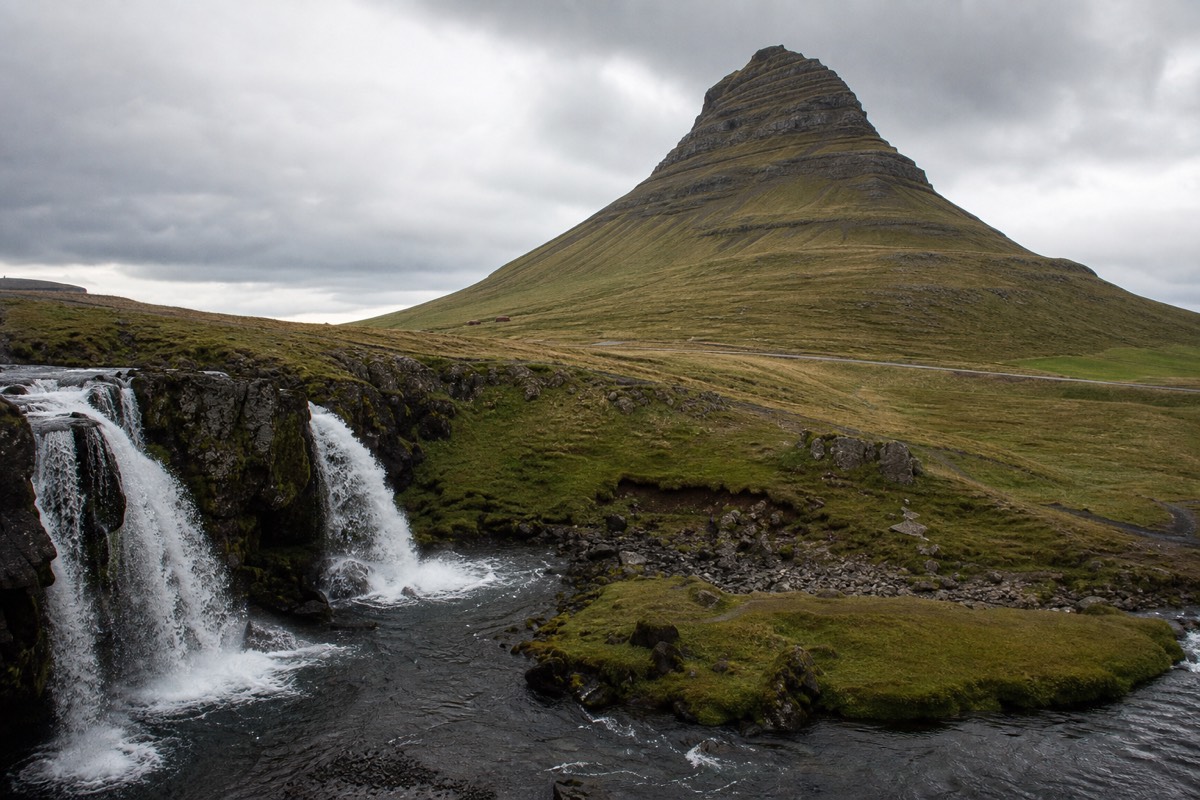
The access argument is the stronger half. Snæfellsnes is at its best from May through October because daylight and road conditions support the full loop, and the same holds for the interior routes toward Landmannalaugar. In February those are not choices you get to make. Summer also puts the waterfalls at high volume, the puffin colonies on the islands in Faxaflói bay in full occupancy from May to mid-August, and the whale grounds at their most active, with summer success rates in the bay reported between 90 and 98 percent.
The trade-offs are real and worth stating plainly. There is no aurora, at all, from May through most of August. Geysir and Gullfoss are genuinely crowded between 10 AM and 5 PM in peak summer, which is an argument for an early start rather than an argument against going. And summer in Iceland is not warm: expect roughly 10 to 15 degrees Celsius, with horizontal rain available at any hour. Our what to wear on an Iceland day trip guide covers the layering that makes a wet summer day at Seljalandsfoss pleasant instead of miserable.
Why February wins if you came for the Northern Lights?
February combines 15 to 17 hours of darkness with Iceland's most stable winter weather. High-pressure systems are more frequent than in December or January, which produces more clear nights per week, and clear sky matters more to an aurora trip than any other variable.
November through January delivers the most darkness of the year, up to 21 hours around the solstice, and also the highest cloud and storm risk of the season. Darkness you cannot see through is worth nothing. February keeps most of the darkness and gives back a meaningful share of the clear nights, which is why it consistently produces the highest sighting rates on guided evenings.
September and March deserve their own mention. Around the equinoxes, roughly September 8 to October 5 and March 5 to April 5, geomagnetic activity reliably spikes through what forecasters call the Russell-McPherron effect. Those two windows pair elevated activity with shoulder-season weather that is easier than midwinter. The full breakdown, including how solar cycle 25 changes the odds through 2026, sits in our best time for the Northern Lights guide.
Which months should you think twice about?
Late April and early May are the awkward gap: the aurora season has closed but the summer access has not opened. Mid-November to mid-January delivers spectacular winter atmosphere on four to five hours of daylight, with the year's highest chance of a weather cancellation.
None of these are bad months, they are months with a specific cost. In deep winter, cut every distance estimate by about 30 percent and expect the long routes to feel long. Check current road conditions and the Icelandic Met Office forecast the evening before rather than the week before, because both change fast. Book the excursions you care about early in your stay so a cancelled day has somewhere to go.
Whatever month you land in, something worthwhile runs. Day trips from Reykjavik tours operate year round on the Golden Circle, the South Coast and Reykjanes; the Snæfellsnes day tour is the one that genuinely prefers May to October; and the evening aurora hunt runs September through April only. Pick the month for what you want to see, then pick the routes that month actually supports, in that order.