Should I Bring Toilet Paper to Iceland?
The question genuinely sits in Google's People Also Ask box for Iceland trips, which says more about how people picture the country than about the country itself.
Guided routes usually solve the facilities question through serviced stops. The useful decision is choosing an itinerary whose duration, stopping pattern and vessel or vehicle arrangements match your needs. Explore South Coast Waterfalls
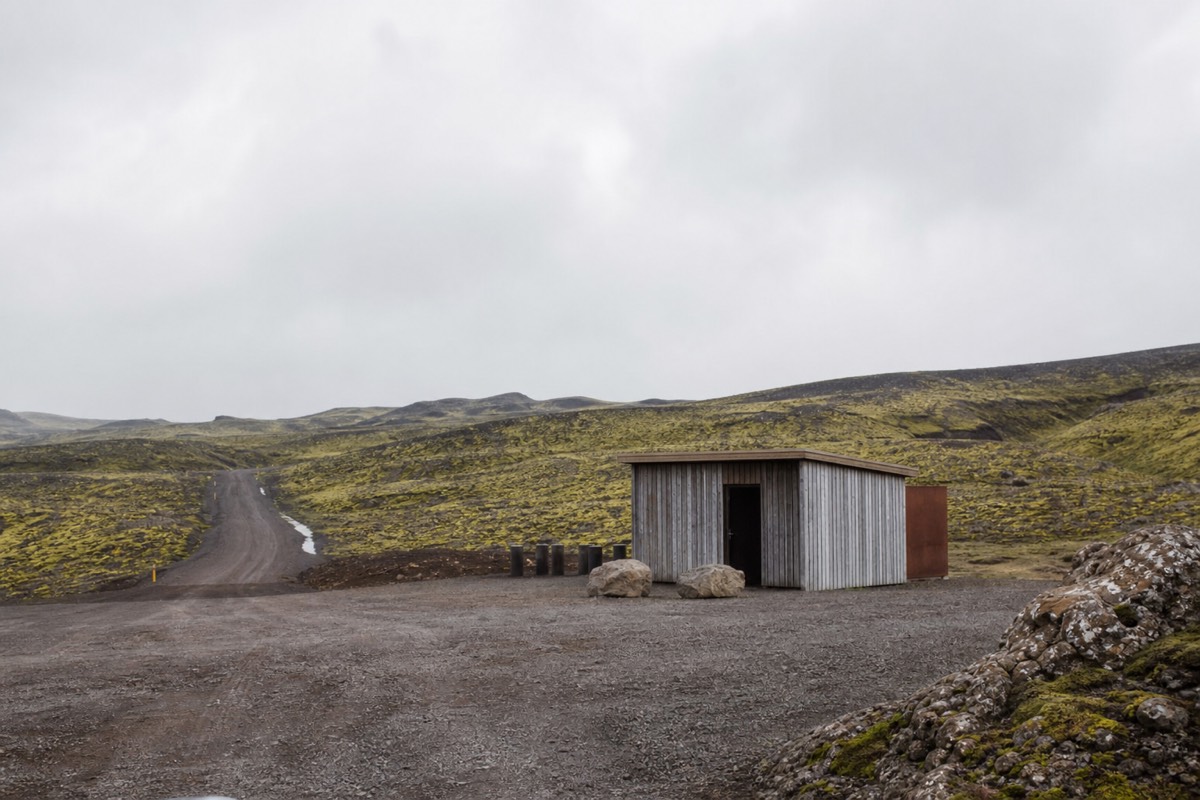
Booking Choice: Do not pack a toilet roll for a standard Iceland trip. Carry tissues, sanitiser and a rubbish bag, then compare route stops, journey length and vessel type if regular facilities matter. View South Coast Waterfalls
Do you need to pack toilet paper for Iceland?
No. Iceland is a high-income country with modern plumbing, and every major day-trip stop has proper toilets at a visitor centre, café or car park. What is worth carrying is a small pack of tissues for the gaps between stops, which is a different item from a roll in your luggage.
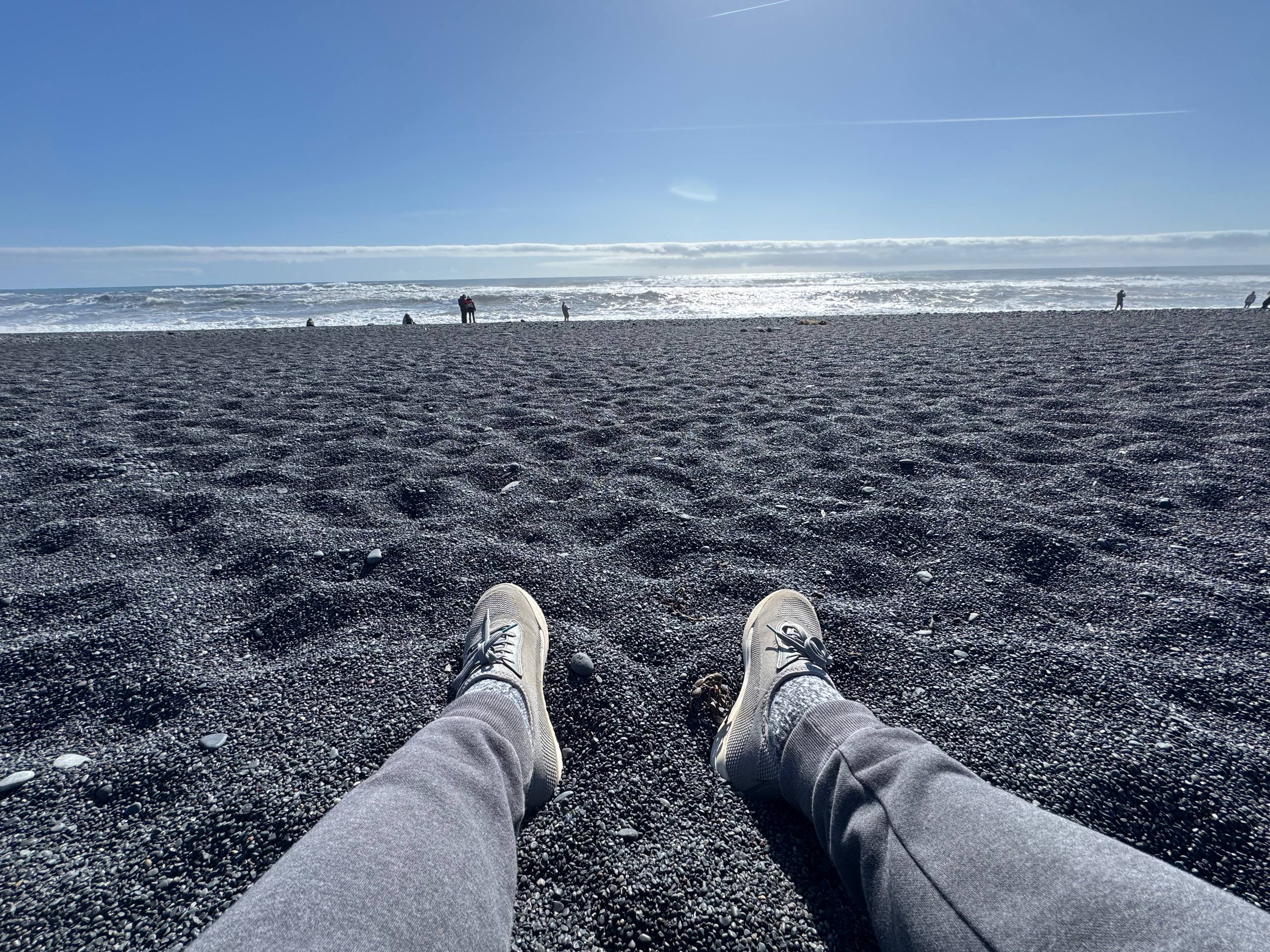
The question usually comes from a mental image rather than a fact: glaciers, empty roads, black sand, therefore no infrastructure. The reality on a guided route is closer to a well-serviced national park network. Toilets exist, they are heated, they are clean, and they are exactly where the tour buses stop, because the sites were built around those buses.
Where are the toilets on a Reykjavik day trip?
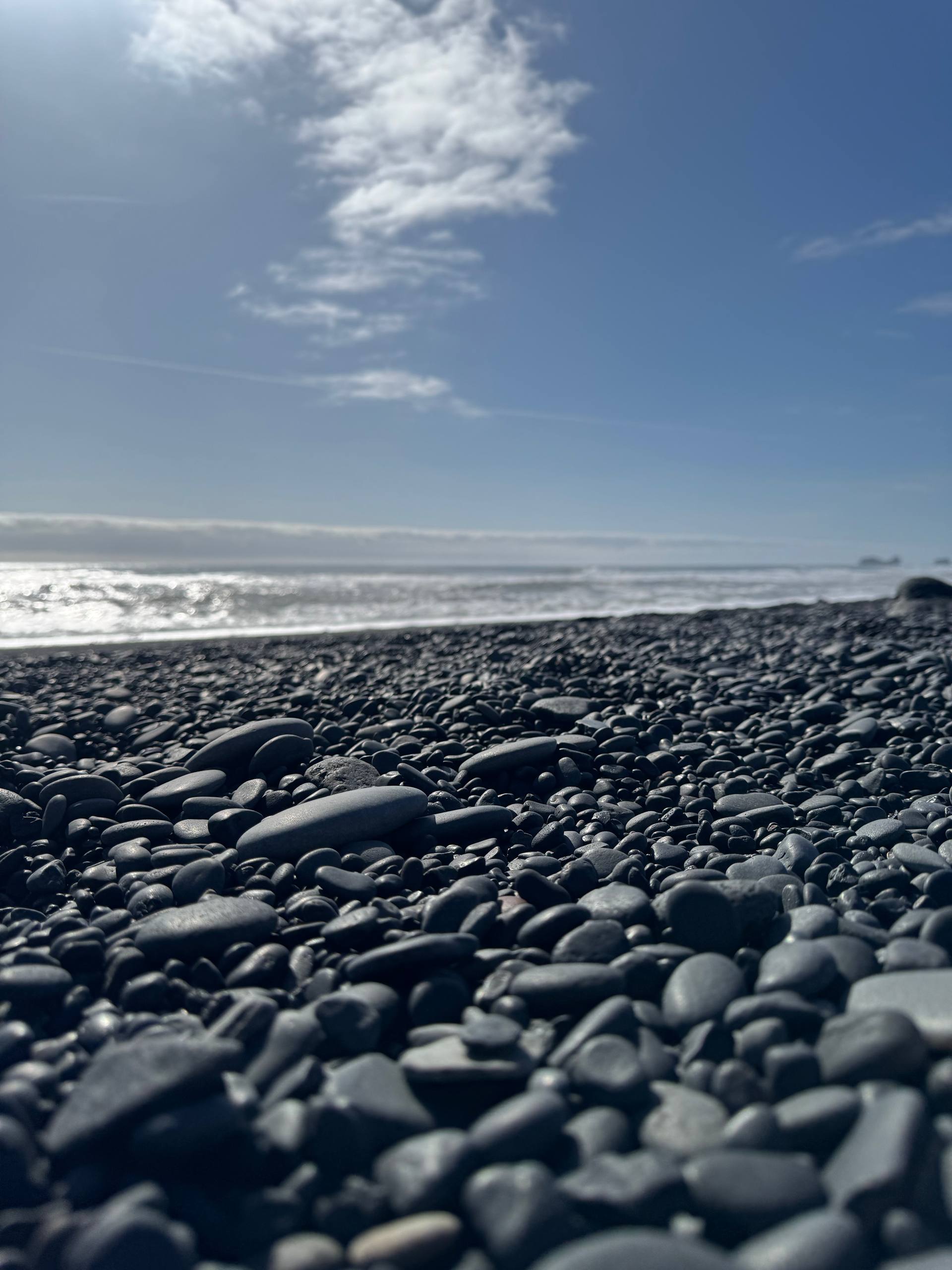
At the visitor centres and cafés that anchor each stop. Þingvellir, Geysir, Gullfoss, Seljalandsfoss, Skógafoss and the Reynisfjara car park all have facilities. The one gap worth knowing on the Golden Circle is the base of the Almannagjá gorge at Þingvellir, where there is nothing until you climb back up.
| Stop | Facilities | Worth knowing |
|---|---|---|
| Þingvellir (Hakið visitor centre) | Toilets, café, shop | Nothing at the base of the Almannagjá gorge, so go before the descent |
| Geysir | Toilets in the restaurant and shop opposite the geyser | Warm and indoors, 30 metres from the eruption point |
| Gullfoss | Visitor centre café and toilets at the upper car park | Upper lot only, not the lower riverside path |
| Seljalandsfoss | Toilets and café at the parking area | The walk behind the falls soaks you first, so plan the order |
| Skógafoss | Toilets, café, hotel next door | Before the 300-plus stairs to the top, not after |
| Reynisfjara | Café at the beach car park | Also the lunch stop on most South Coast itineraries |
| Secret Lagoon, Flúðir | Changing rooms, showers, café | Full facilities, since it is a bathing site |
Long-distance days build their own breaks around this. The glacier lagoon run stops at Freysnes and Vík. The Snæfellsnes circuit breaks at Borgarnes and Ólafsvík. Those stops are on the itinerary for fuel, food and facilities, in that order of planning and the reverse order of urgency.
Do you have to pay, and can you use a card?
Some facilities charge a small fee and most do not. Where there is a charge, card payment is normally accepted, because Iceland runs close to cashless. Carrying a few hundred krónur in coins removes any doubt, but it is insurance rather than a requirement.
The same pattern shows up across rural Iceland: card first, with the Parka app handling parking fees at sites like Þingvellir. Travellers who arrive expecting a cash economy end up carrying banknotes for a week and spending none of them. If you want the fuller picture of what is and is not worth putting in the case, we cover it in what not to bring into Iceland.
Some facilities charge and many do not; cards usually work, while a few coins remain optional backup rather than essential packing.
Where does the gap actually appear?
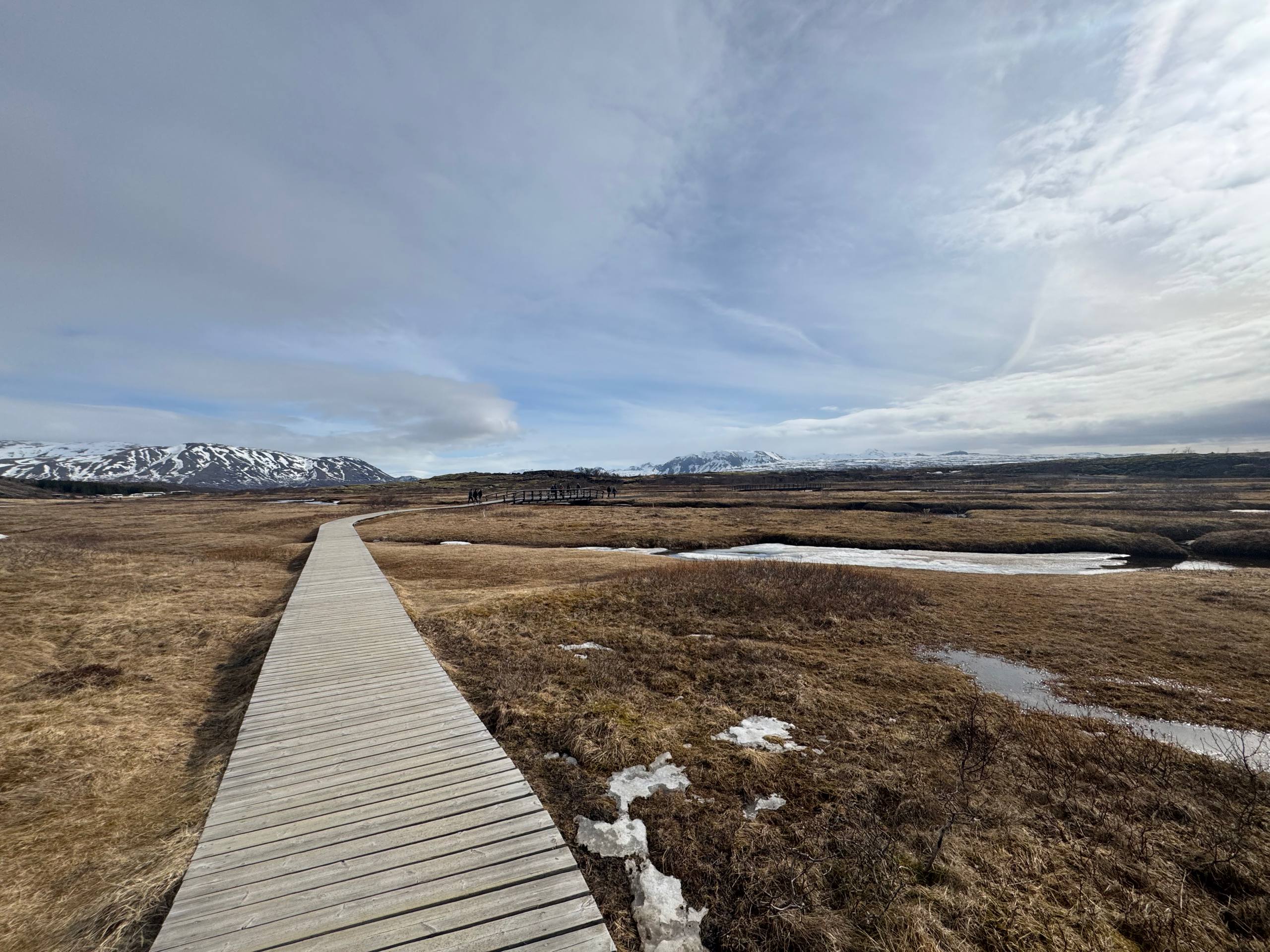
Not at the sights, but between them. Iceland's day-trip legs can run 90 minutes or more without a serviced stop, and the honest answer to a mid-leg emergency is that there is nowhere discreet: the landscape is open, treeless and mostly private farmland. That is the real planning problem, and no roll of paper solves it.
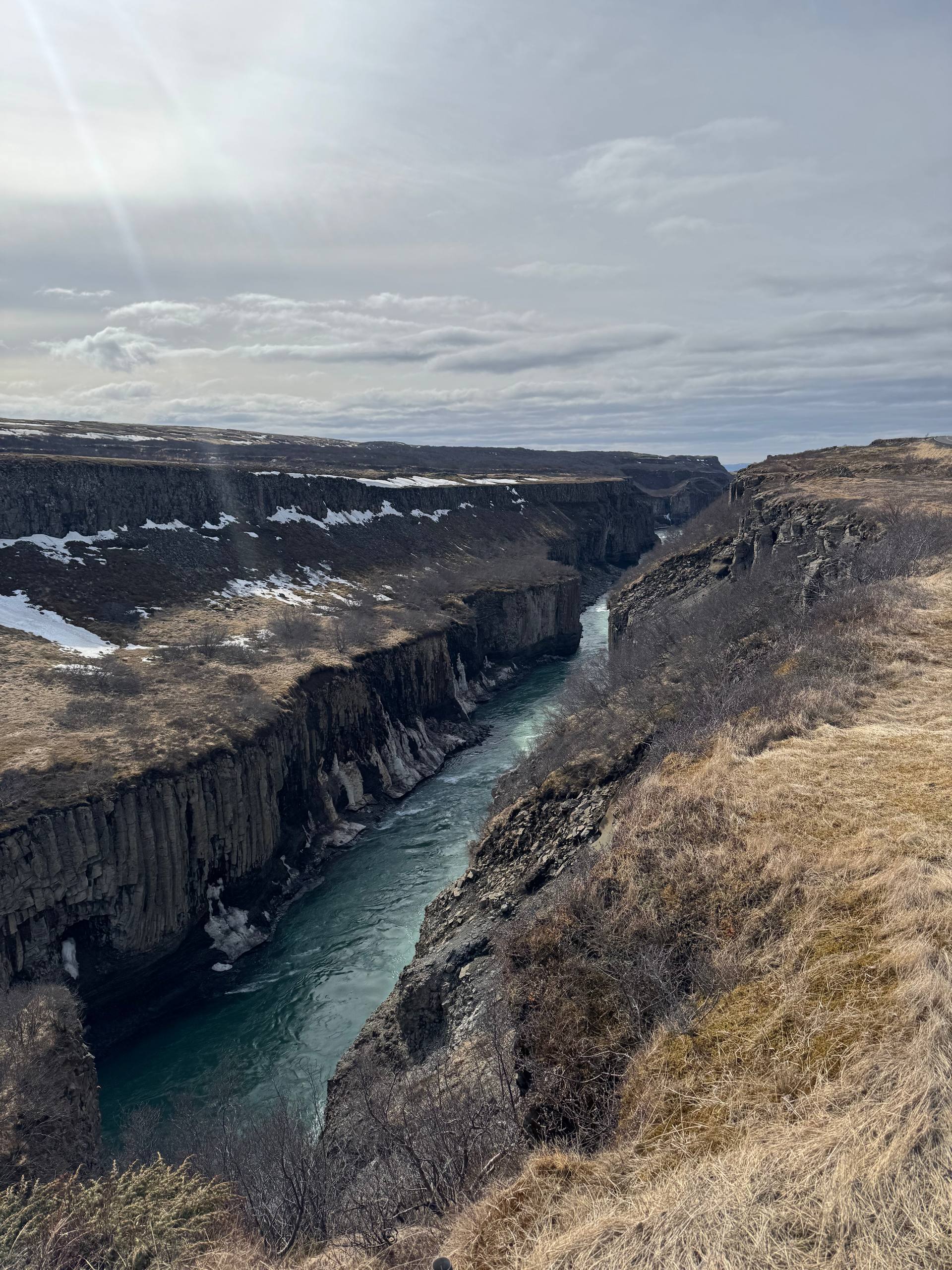
A few situations do call for tissues in a pocket. Trail stops without buildings, like the walk up to the Reykjadalur hot spring river. Small boats: large whale-watching vessels have toilets and heated saloons, while RIB boats have neither, which matters on a two-hour departure. Winter roads, where a closure can stretch a leg unexpectedly. Check conditions with SafeTravel before a winter departure and the timings become far more predictable.
What should you carry instead of a roll?
A pocket pack of tissues, a small bottle of hand sanitiser, and a bag for rubbish. That combination handles every realistic scenario on a guided day, weighs almost nothing, and does not commit half your daypack to a problem Iceland has already solved with buildings.
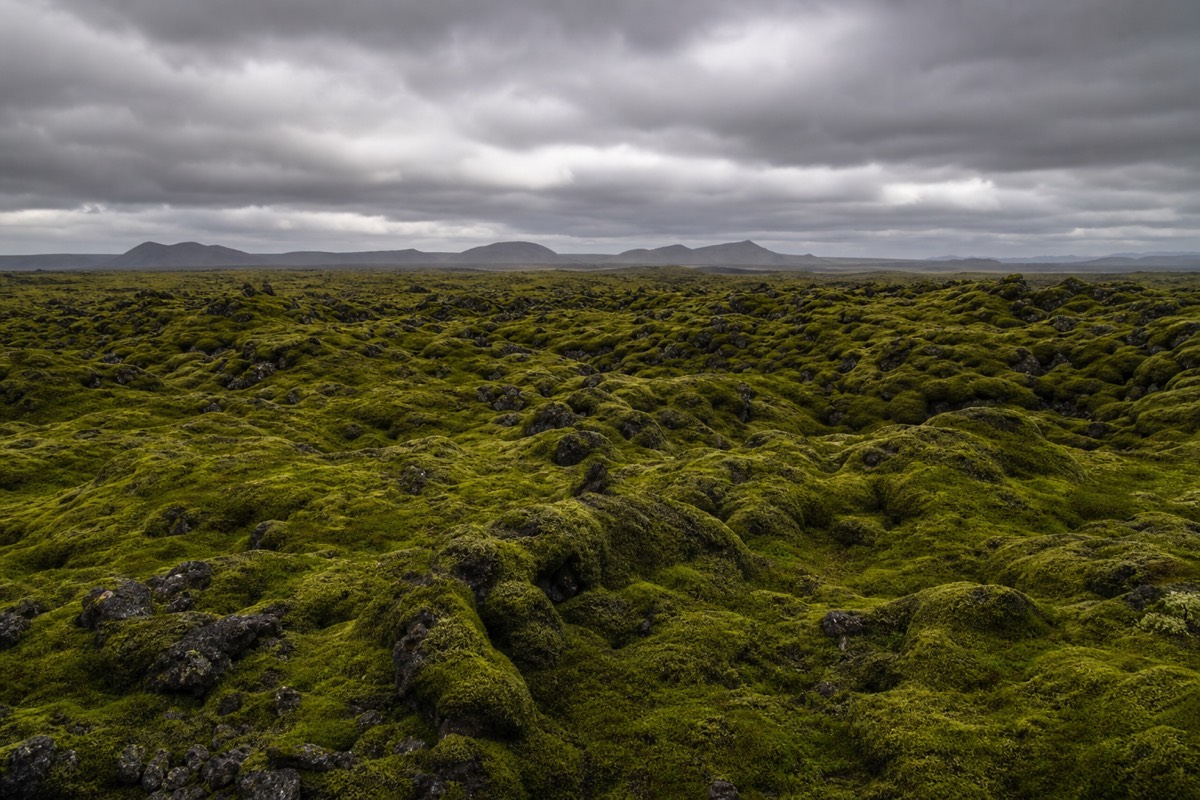
Two rules of etiquette matter more than supply. Do not flush wipes, even ones sold as flushable, because rural systems are small and block easily. And do not leave paper on the landscape: it does not break down quickly in a cold, wet climate, and the popular sites already suffer from it. Pack it out in the bag, the same way you would on any protected trail.
Who does this question genuinely apply to?
Campers, highland F-road travellers and multi-day hikers. Once you leave the serviced ring of visitor centres, facilities thin out fast and self-sufficiency becomes the standard. For anyone based in the city on a guided route, the concern never really arises at all.
Day trips from Reykjavik tours are built around stops that already have buildings, parking, food and plumbing, because those stops are what makes a ten-hour day workable for a busload of people. The wilderness starts where the day trips stop going. That is the line worth understanding, and it falls a long way past anywhere a Golden Circle or South Coast itinerary will take you.
It is also a fair question for travellers with medical needs or reduced mobility, where the interval between facilities is a planning constraint rather than a curiosity. Our page on day trips that work for seniors lists which sites have toilets at the parking level and which need a walk, so you can pick a route by facility rather than by photograph. On the water, vessel choice decides it: see best time for whale watching for the difference between a classic cruise and a RIB before you book. And if the day ends at a geothermal pool, the changing rooms there are as good as anything you will find in the city.