What Not to Bring Into Iceland?
Two different questions hide inside this one: what Iceland actually restricts at the border, and what is simply dead weight once you have landed.
Once the restricted and unnecessary items are out, match your smaller packing list to an experience that supplies specialist gear or clearly states its baggage limits. Explore Icelandic Horse Riding
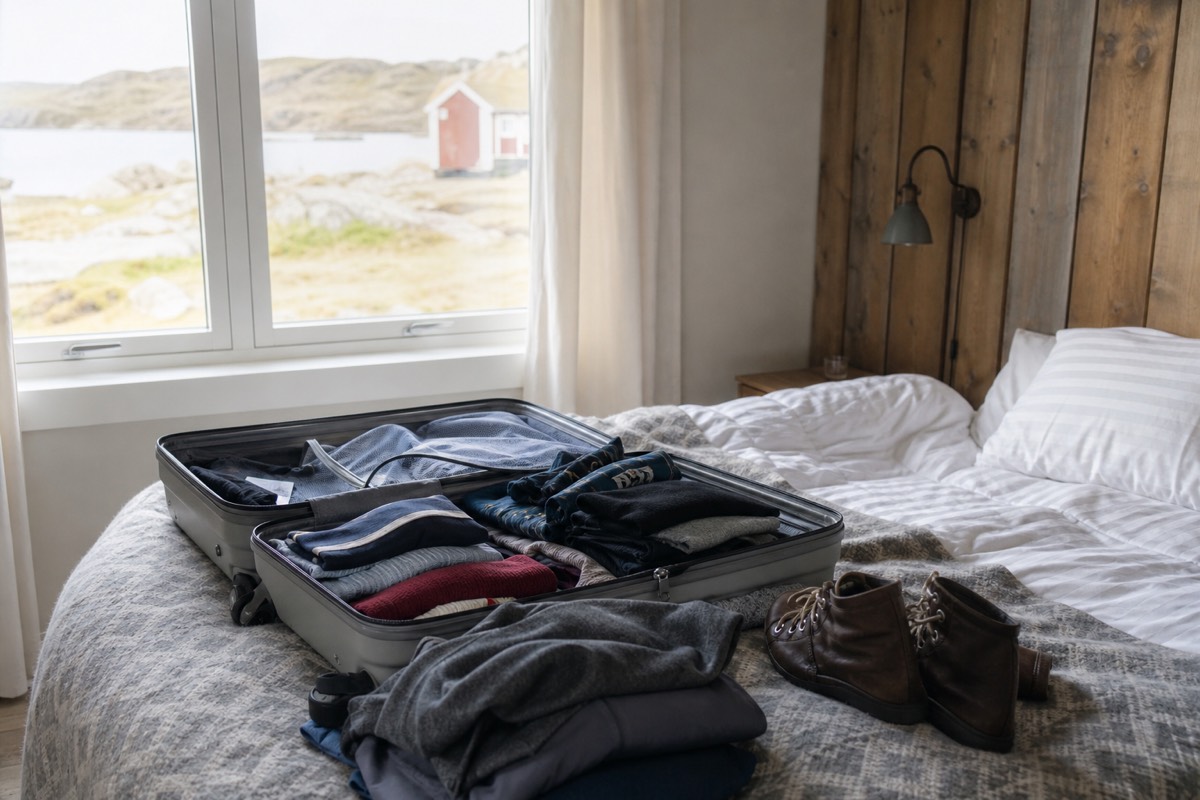
Booking Choice: Leave used riding equipment and full-size luggage behind. Locally equipped activities simplify biosecurity, while verified day tours clarify what must fit in your daypack. Confirm the departure, supplied gear and pickup point before packing. View Icelandic Horse Riding
What does Iceland actually restrict at the border?
Two categories do most of the work. Food of animal origin, meaning uncooked meat, raw eggs and unpasteurised dairy, is restricted. Used outdoor gear that has been in water or around livestock abroad, riding clothing, waders, rods and boots, has to arrive clean and disinfected or with a vet certificate. Everything else is allowance arithmetic.
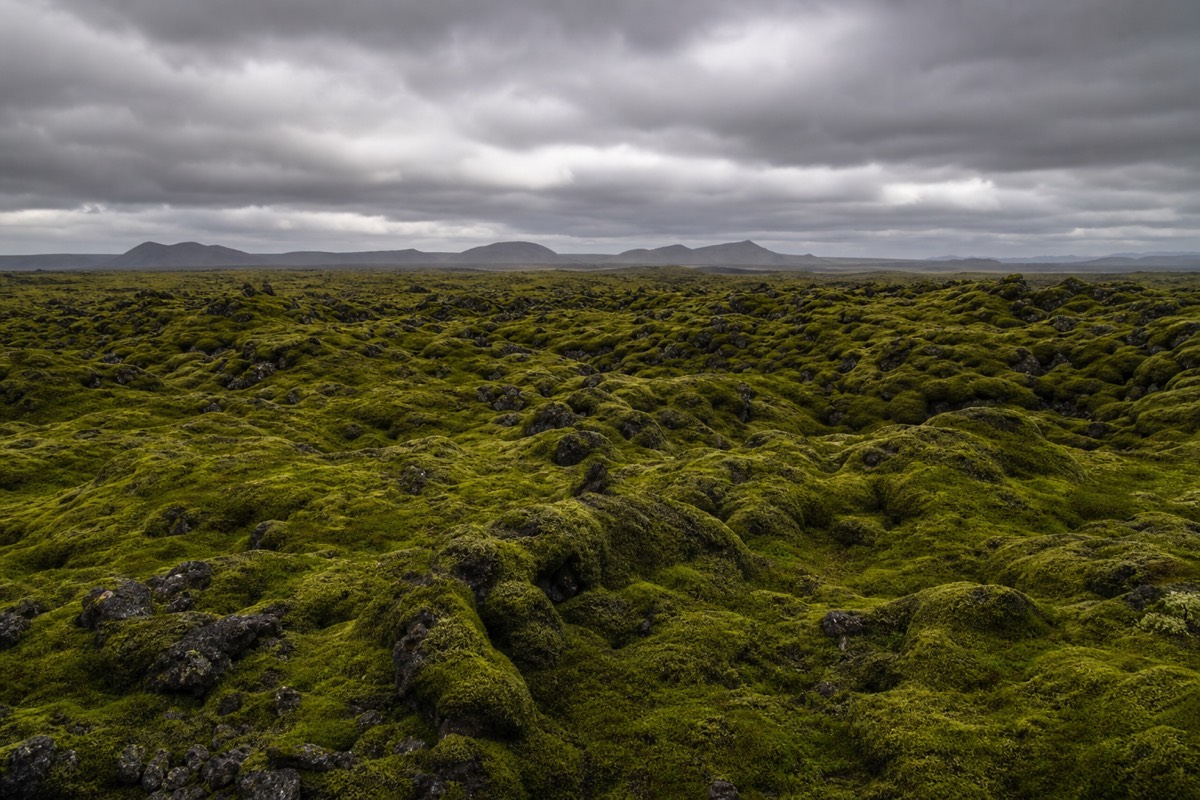
The reason is biosecurity, not bureaucracy for its own sake. Iceland's sheep, horses and cattle have been genetically isolated for close to a thousand years, and that isolation is also a vulnerability: pathogens that circulate normally elsewhere meet a population with no history of them. So the country defends the island at the airport. Muddy hiking boots are not the concern. A pair of riding gloves that spent last season in a stable abroad is exactly the concern.
Anglers and horse riders get stopped most often, because their kit is what the rules target. If you plan to ride an Icelandic horse or fish an Icelandic river, rent locally, or bring gear that has been professionally disinfected with the paperwork to prove it. The specifics, permitted quantities, exempt products and duty-free allowances, are set by Icelandic Customs and get revised. Read the current official list before you pack rather than trusting any travel blog, this one included. For conditions once you are on the ground, SafeTravel is the reference the guiding industry actually uses.
Can you bring food and snacks from home?
Sealed, shelf-stable snacks are the low-risk category, and plenty of visitors do bring a bag of them because Icelandic groceries cost more than they do at home. Anything built on meat, raw egg or unpasteurised milk sits in the restricted group. Packing a week of lunches is less of a win than it sounds.
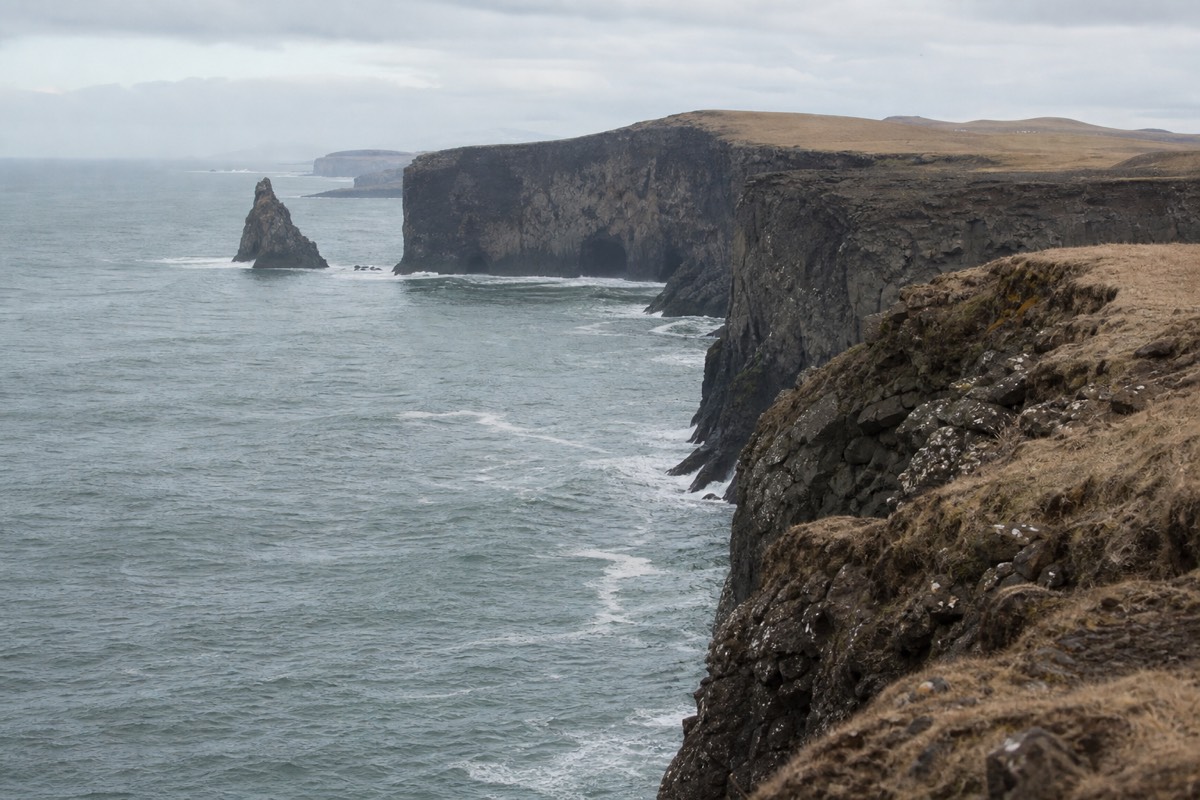
Bónus and Krónan are the budget supermarket chains locals use, and a day-trip lunch assembled there costs a fraction of the same food bought at a roadside café. Rye bread, skyr, a bag of fruit and a filled thermos will outperform anything that survived a transatlantic flight in a carry-on. Buy on your first evening in Reykjavik, not on the morning of the tour, because the shops open later than the buses leave.
Food-import decisions are separate from tour booking. Keep the practical packing and declaration guidance above in view when preparing your snacks.
What is simply dead weight in an Iceland suitcase?
Bottled water, a thick wad of cash, an umbrella, and the large suitcase itself on tour day. None of these are banned. They just do nothing here, and on a trip that runs ten hours from the city, the small bag at your feet decides how the day feels far more than the case in your hotel room.
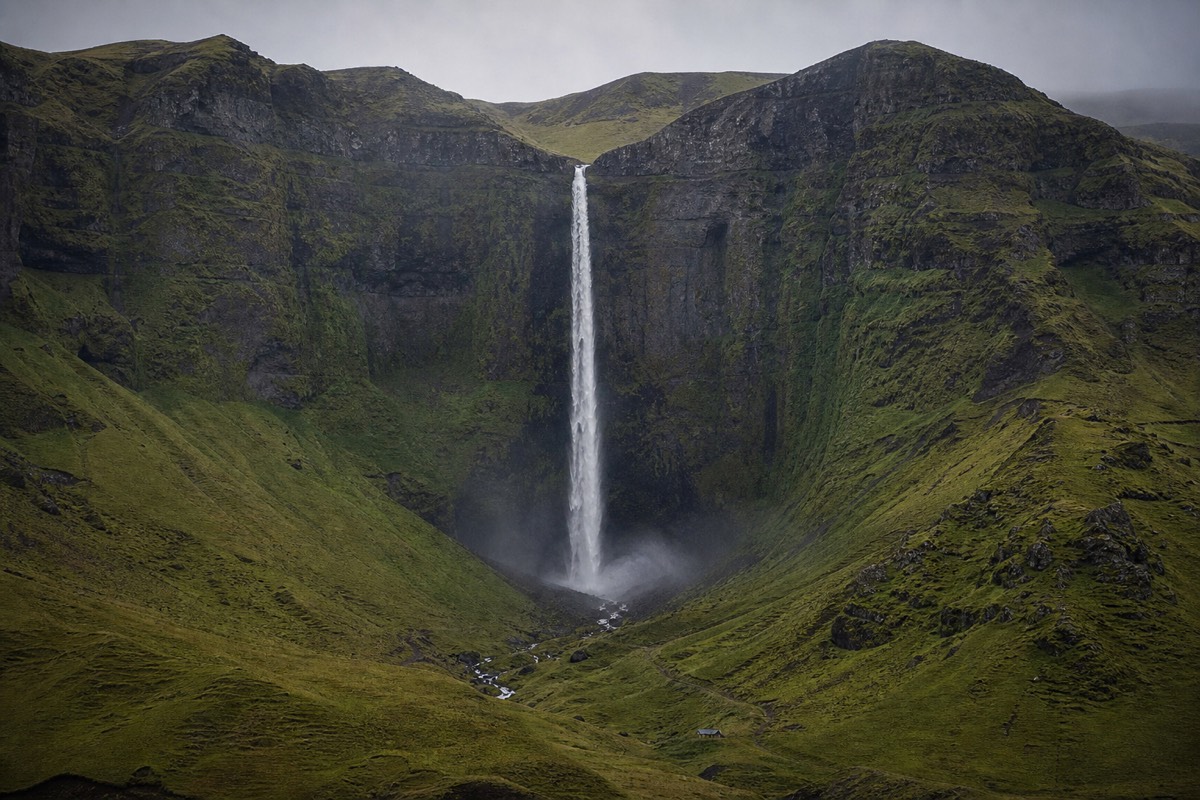
Iceland's tap water is glacial quality, free, and genuinely among the best drinking water anywhere, so a bottle you refill beats a bottle you carry. Day trips from Reykjavik tours all return to the city the same evening, which means the only luggage that travels with you is a daypack, and guided vehicles cannot store suitcases anyway. Twenty to thirty litres covers layers, water, snacks, camera and a charger for a full day of stops.
| Leave it at home | Bring this instead | Why |
|---|---|---|
| Bottled water | One refillable bottle | Tap water is glacial quality and free at every stop |
| A stack of cash | A card, plus the Parka app | Iceland is card-first; rural parking and a few small food stops want the app or ISK |
| An umbrella | A hooded waterproof shell | Icelandic wind turns umbrellas inside out in minutes |
| Your full-size suitcase | A 20 to 30 litre daypack | Guided day trips have no luggage storage; only a small bag rides with you |
| A bath towel for the lagoons | Swimwear | Towel use is included or rentable at the geothermal spas; check what your ticket covers |
| A heavy tripod, unless you are shooting aurora | A power bank and a lens cloth | Cold drains phone batteries fast, and spray at the waterfalls fogs everything |
Clothing is its own subject and we keep it in one place: what to wear on an Iceland day trip covers layers, footwear and the winter specifics. This page stays on customs and cargo.
Can you bring a drone?
You can carry one into the country. Plan your itinerary as though you cannot fly it at the famous stops. Protected areas and national parks in Iceland set their own drone rules, and several require permission in advance, so the machine that works over an empty lava field may be grounded at the exact site you bought it for.
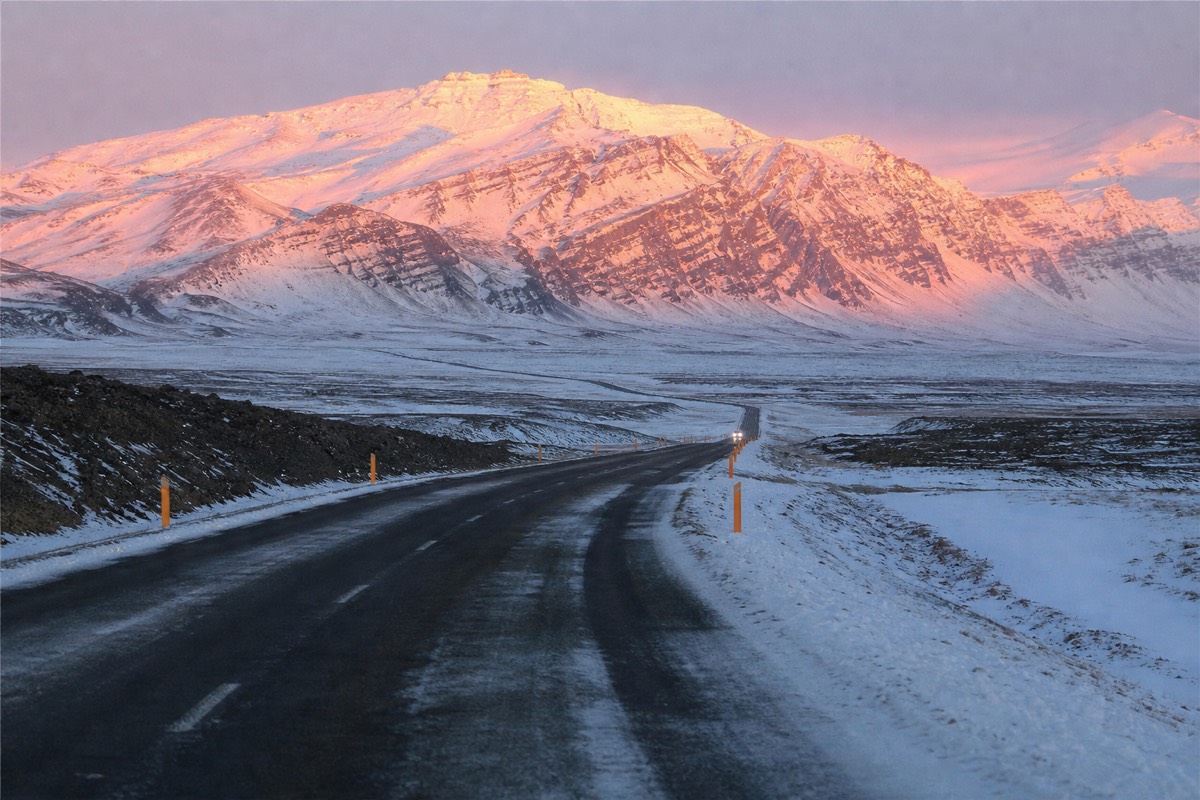
Check each site's own rules rather than a general national answer, because they differ from place to place and change. On a group tour there is a second constraint: stop times are short, other visitors are in every frame, and a launch, flight and pack-down rarely fits inside the window the guide gives you. Photographers who care about aerial footage usually build a separate self-drive day around it instead of squeezing it into a coach itinerary.
A tour booking does not grant permission to fly a drone. Protected-site rules and the time available at each stop still determine whether it can be used.
What do guides ask people to leave behind on the day?
Hard-shell suitcases, anything valuable you do not want at your feet for ten hours, and the assumption that the bus is a moving cloakroom. What you want in the bag is boring and useful: water, snacks, a warm spare layer, a charger, and swimwear if the day finishes in geothermal water.
Departure days catch people out most. If you fly out in the evening and want one last tour, arrange luggage storage in the city first, because the tour vehicle is not the answer. The same logic applies on arrival day: sort the airport transfer into Reykjavik and drop your bags before you book anything that leaves the city.
So what does an Iceland day actually need?
Less than most people pack. A waterproof shell, warm layers, a refillable bottle, a card, a charged phone, swimwear when the itinerary includes a lagoon, and a small pack of tissues. That list gets you through the Golden Circle, the South Coast and a harbour departure without a single item of dead weight.
Two follow-up questions come up constantly, and both have short answers on their own pages: whether toilet paper is worth packing, and the things visitors say they wish they had known first. Read both before you start filling the case. The border rules are stricter than most travellers expect and the packing list is shorter, which is a fair trade.