How Many Days Are Needed in Reykjavík?
The honest number is five nights: two days for the city, two full day trips, and one spare for the weather. Here is the arithmetic behind that, and what you give up at three.
Once you choose your stay length, match each excursion to the hours it genuinely consumes rather than counting distant sights as spare-time additions. Explore Golden Circle And Kerið
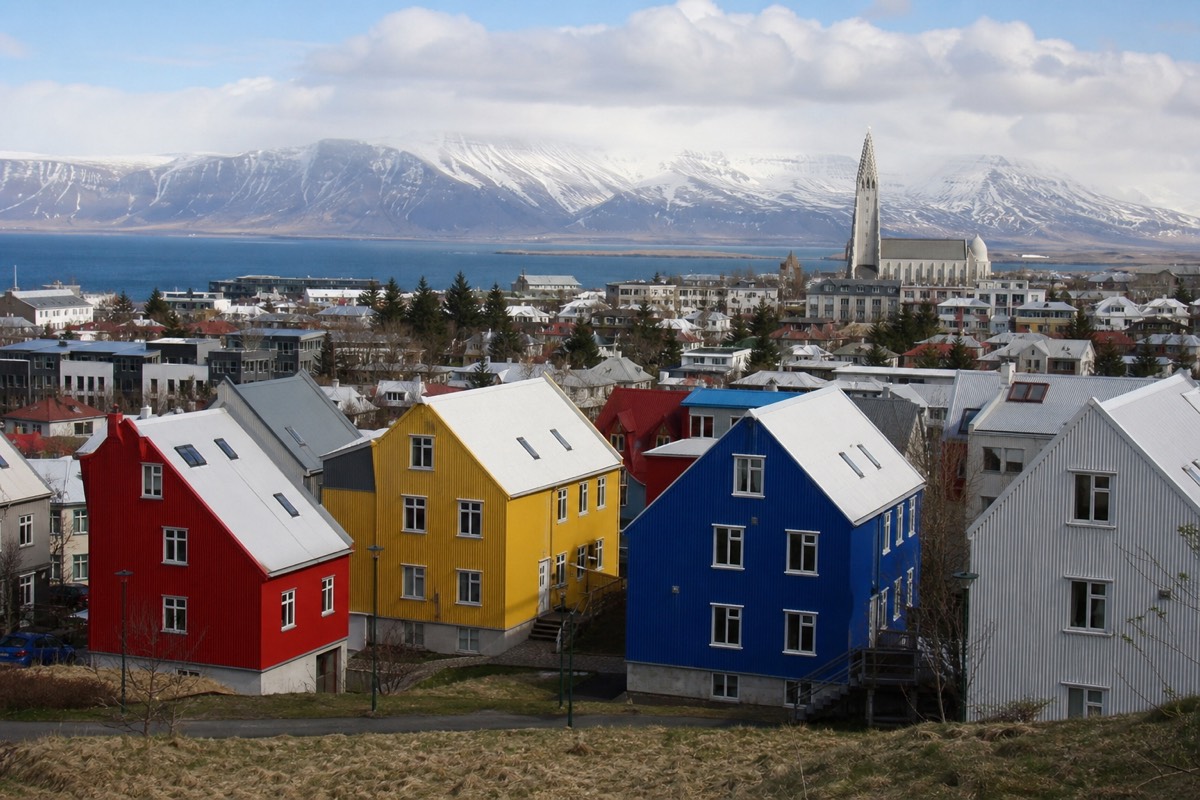
Booking Choice: Five nights balances Reykjavík, two contrasting excursions and a weather buffer. Three nights supports one major route; seven allows a longer third route and recovery time without stacking full touring days. View Golden Circle And Kerið
How many days are needed in Reykjavík?
Five nights is the number that works for most first trips. It buys two days in the city and its harbour, two full day trips out of it, and one spare day the Icelandic weather will almost certainly claim. Three nights works if you accept one big excursion and no buffer at all.
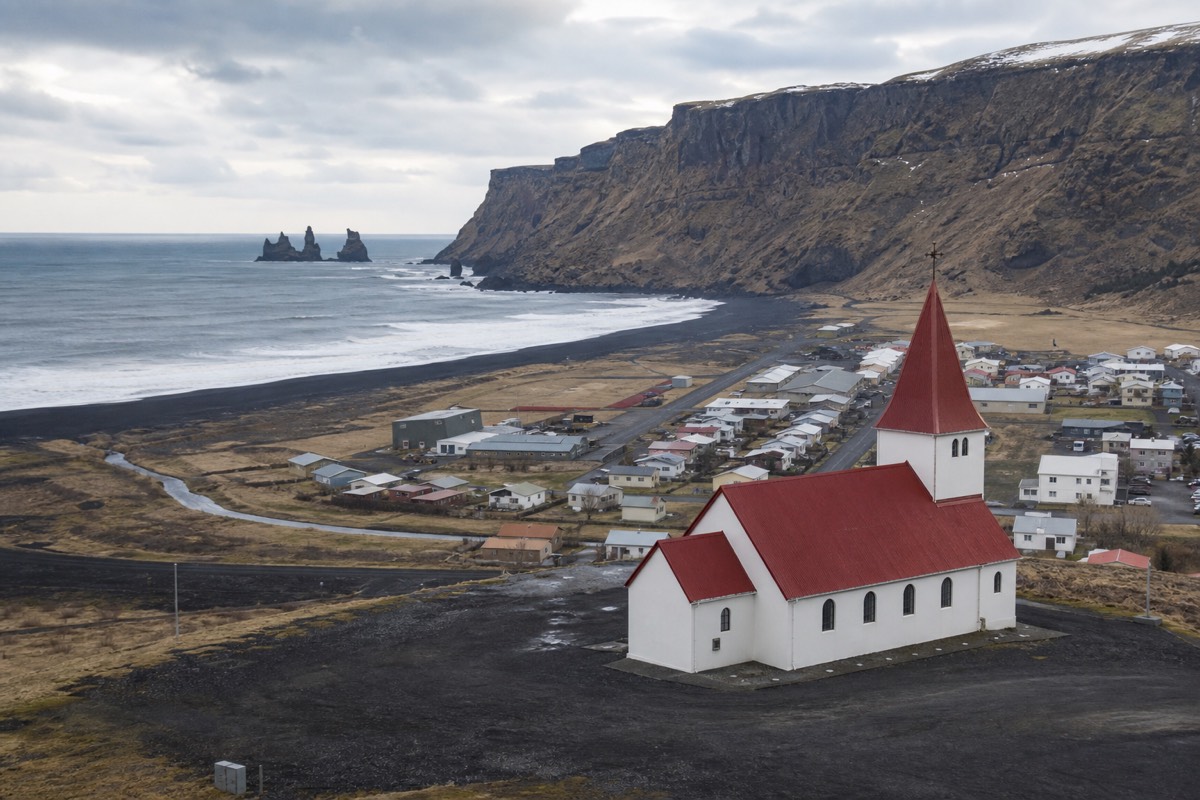
Reykjavik itself is small. The walkable centre, the Old Harbour, the pools and the viewpoints fill a day and a half comfortably and two days generously. Almost nobody flies to Iceland for the city alone, which is why the real question behind this one is different: how many days do you need in Reykjavik as a base for everything that is not Reykjavik. That is an arithmetic problem, and the numbers are unforgiving.
Iceland's scale fools people who look at a map. The island is roughly the size of England, but most of it has no roads, so you are funnelled onto Route 1 and a handful of secondary roads where the practical average speed on a touring day sits closer to 60 to 70 km/h than the posted 90. Þingvellir is 47 km out. Vík is 179 km east. Jökulsárlón is 380 km east. Those distances turn into whole days, not afternoons, and our how far you can travel in one day guide has the full distance table if you want to check a specific destination.
What does each day trip actually cost you in time?
A full-day route out of Reykjavik takes 10 to 11 hours door to door and leaves you with an evening, not an afternoon. Short excursions are the exception: whale watching runs about three hours and the aurora hunt is an evening activity that costs you no daylight at all.
This is the table most itinerary planning skips, and getting it wrong is how people end up with four days in Iceland and one thing seen.
| Day trip from Reykjavik | Time it takes | What is left of your day |
|---|---|---|
| Whale watching from the Old Harbour | About 3 hours | Morning or afternoon still free |
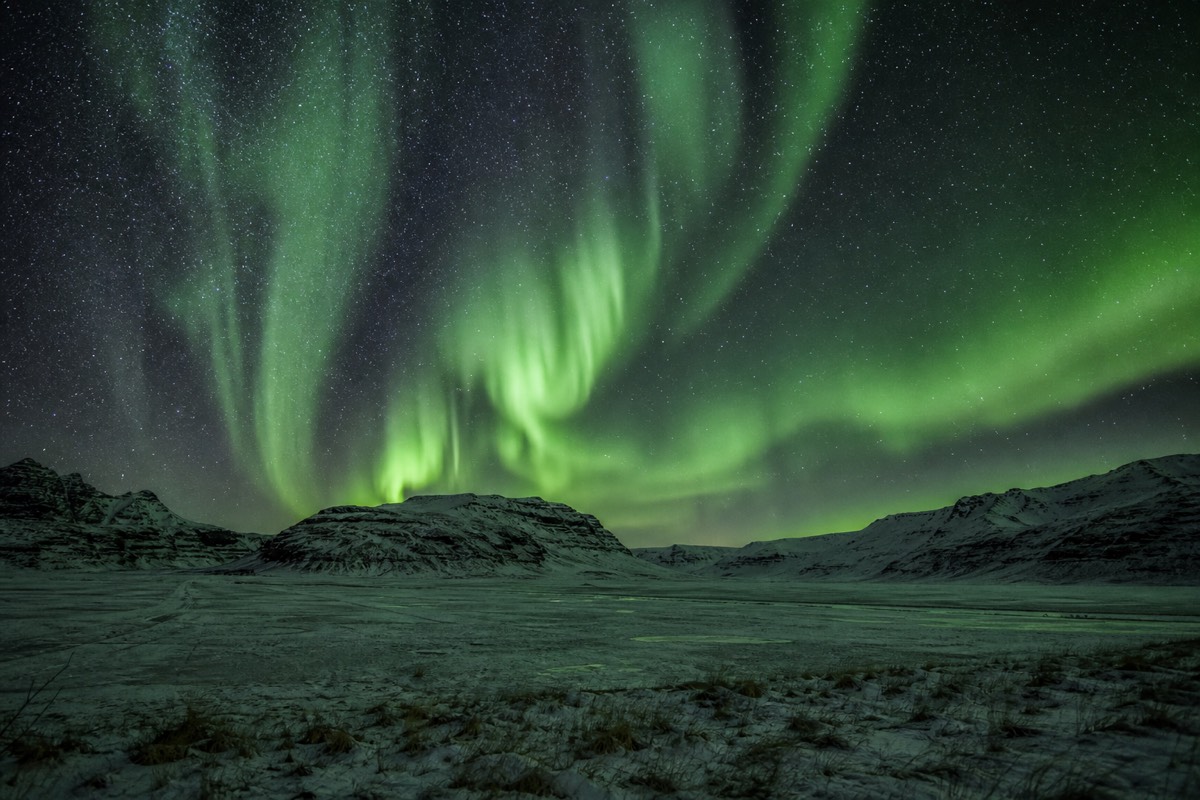
| Northern Lights hunt (Sep to Apr) | About 4 hours, evening only | The whole daylight day is untouched |
| South Coast waterfalls and black sand beach | About 10 hours | Dinner, and not much else |
| Golden Circle with the Blue Lagoon | About 11 hours | Nothing else that day |
| Snæfellsnes Peninsula | About 11 hours | Nothing else that day |
| Jökulsárlón glacier lagoon | 14 to 15 hours door to door | The day and the evening both |
Read that table with one rule in mind: an 11 hour excursion is a whole day, and stacking three of them back to back is how a holiday turns into a commute. Our team's working principle after guiding a lot of travellers through this decision is that driving should stay a supporting role. You want to be in the vehicle between experiences, not counting down until you can get out of it.
What do three, five and seven nights each buy you?
Three nights gets the city and one full-day route. Five gets the city, two contrasting routes and a spare day. Seven adds a third route, a genuine rest day and enough evenings that the aurora becomes probable rather than lucky.
A worked three-night trip: arrive and get into town, spend the next morning walking the centre and the harbour, take one full-day route the following day, fly out on the third. That is a real trip and plenty of people have loved it. What it has no room for is a weather cancellation, and Iceland cancels things. If your single excursion day is the day the wind closes a road, you have nothing to move it to.
A worked five-night trip: day one arrive and settle; day two the city, the pools and a short harbour excursion; day three the classic Golden Circle tour; day four the South Coast; day five held open for whatever the first four days pushed sideways, or for a lagoon and a slow morning. That fifth night is not padding. It is the reason five-night trips come home satisfied and three-night trips come home with a story about the wind.
A worked seven-night trip: everything above, plus Snæfellsnes or the glacier lagoon, plus at least one deliberately empty day. Seven nights is also when the country stops being a checklist. You start noticing that the light changes hour to hour and that half the pleasure is the drive between the famous stops.
Two constraints to hold on to. Winter cuts every distance estimate by roughly 30 percent, because daylight drops to four or five hours around the solstice and road conditions add time the map does not know about. And half-day trips from Reykjavik are the release valve for a short stay: they let a tight itinerary hold two experiences in one day instead of one.
Does chasing the Northern Lights change the number?
Yes, and by more than most people budget for. Five nights in the aurora season is the practical minimum, because cloud and solar activity both vary on a scale of hours to days. Two or three nights carries a real chance that every single evening is overcast.
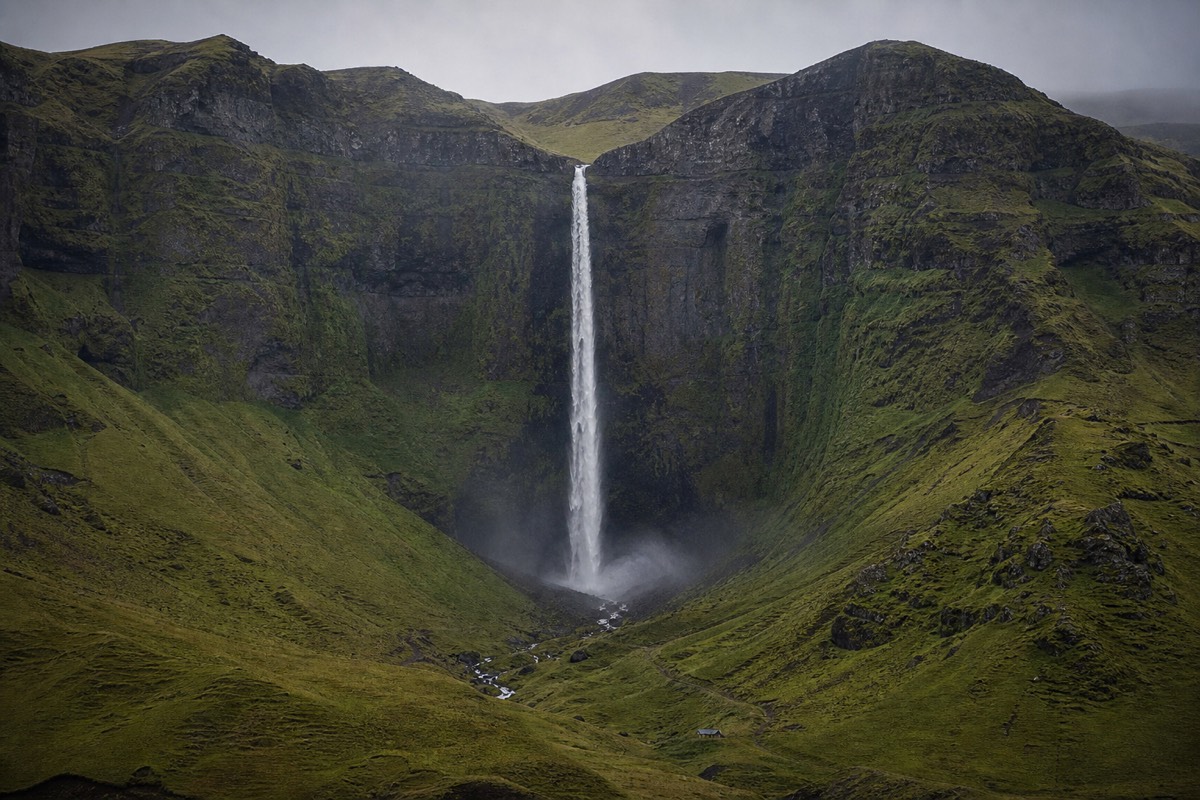
The mechanism is boring and decisive: you are not waiting on the sun, you are waiting on a gap in the cloud that happens to line up with a dark evening. Over five to seven nights, with active pursuit and free rebooking, the probability mathematics starts working for you. Over two nights it does not. That is why we keep repeating the same advice to anyone booking a winter trip, and why the aurora should sit on top of a good daytime itinerary rather than under it.
Build the trip around Iceland and let the lights be the bonus. Day trips from Reykjavik tours run right through the dark months, so a January visitor with five nights has four or five daytime routes available and four or five separate chances at a clear evening. If you want the detail on what the capital's own sky gives you between excursions, we wrote it up in whether you can see the Northern Lights from Reykjavik itself.
Who needs fewer days, and who needs more?
Stopover travellers on a 24 to 36 hour layover should pick one thing and do it well. Photographers, hikers and anyone visiting between November and February should add nights, because short daylight and unstable weather both eat itinerary faster than they eat holidays anywhere else.
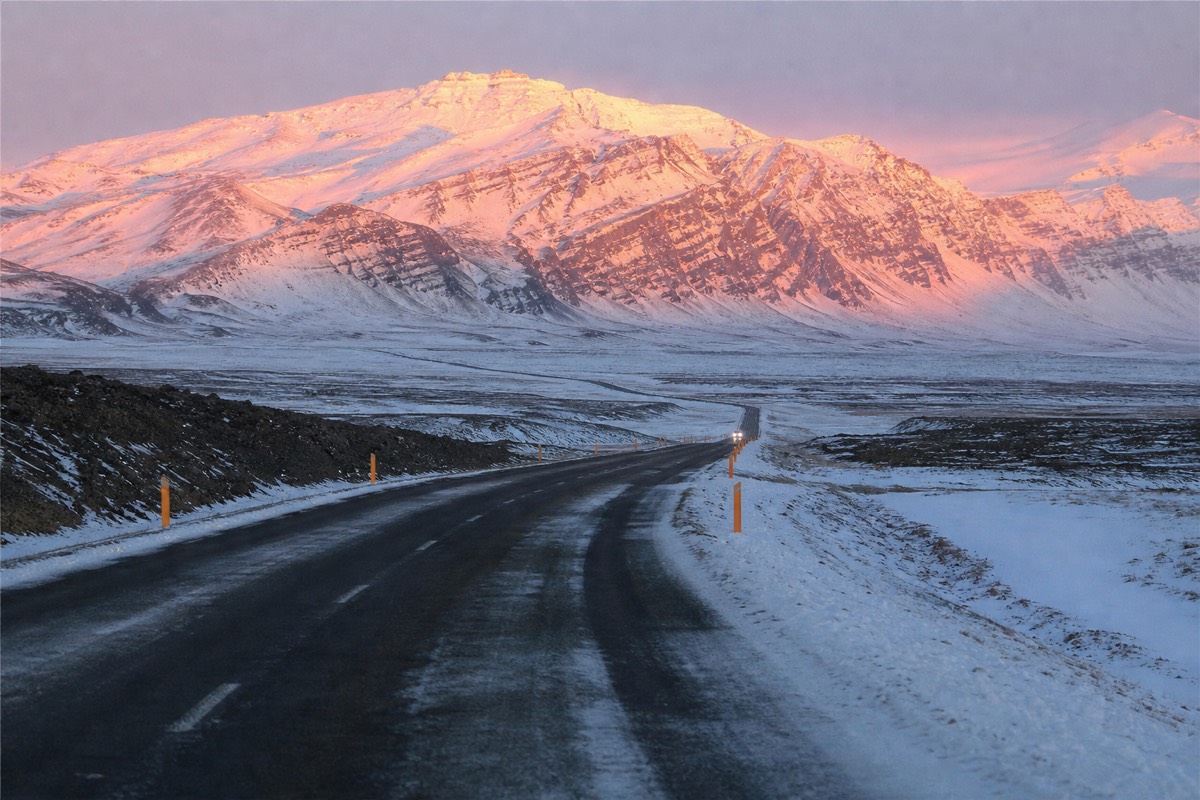
A 24 hour stopover is genuinely worth taking. Land, drop bags, take one full-day route or one lagoon plus the city centre, sleep, fly out. What ruins stopovers is trying to fit the Golden Circle, a lagoon and a harbour excursion into the same eighteen hours. Pick one. You are not seeing Iceland on a layover, you are getting a taste that decides whether you come back for a week.
At the other end, add nights if you are travelling in deep winter, if you want the glacier lagoon without a 15 hour day, if you are hoping to photograph in good light rather than whatever light you get, or if you are travelling with small children or anyone who needs a slower pace. Weather is the other argument for length: forecasts here change fast, and SafeTravel and current road conditions can rewrite a plan the night before. Longer trips absorb that. Short ones just lose the day.