What Happens If You Don't See the Northern Lights on a Tour?
The short answer is that you go again, free, rather than getting your money back. The longer answer is about what the retry covers and how to book so you can actually use it.
The most useful tour benefit is not a promised sighting but a clearly documented retry. Compare when another attempt is allowed, then schedule the first hunt while spare nights remain. Explore Small-Group Northern Lights
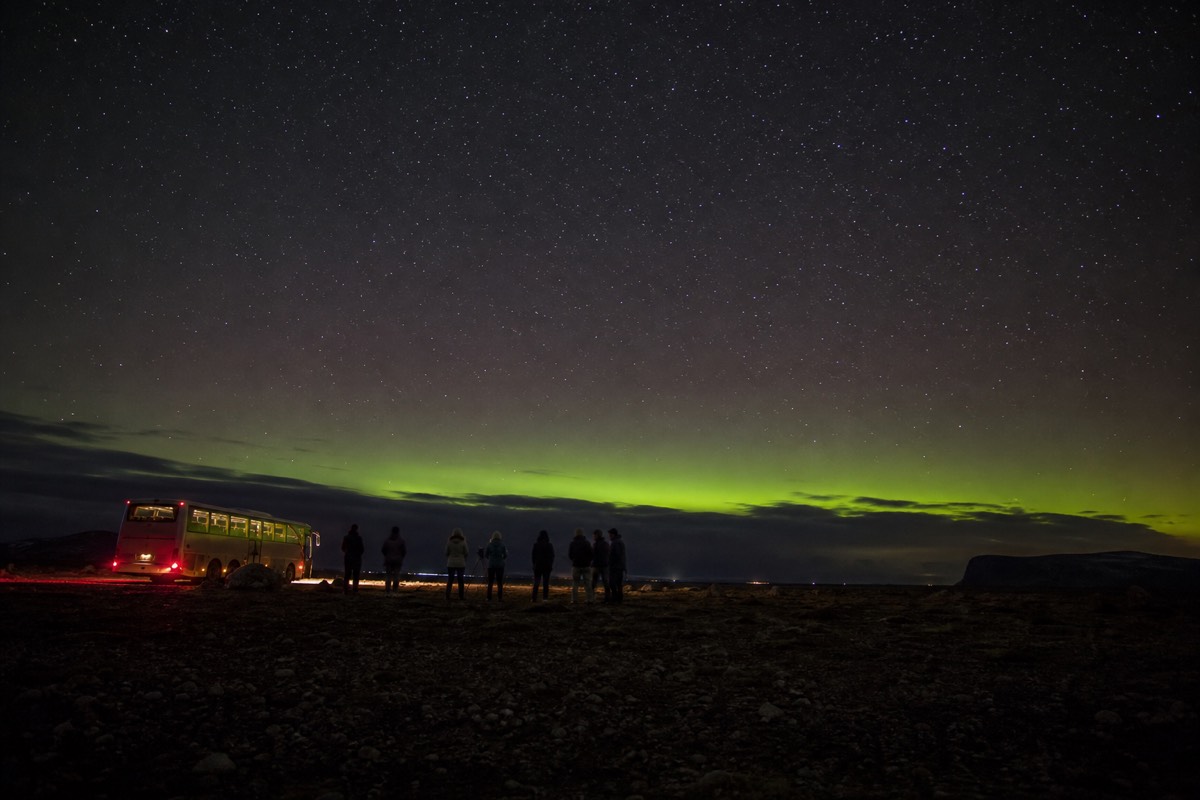
Booking Choice: Northern-lights sightings are never guaranteed. The verified small-group hunt offers another attempt upon availability after an unsuccessful tour, while the bus alternative specifies one other free night. Book early enough in your stay to use the policy. View Small-Group Northern Lights
What happens if you don't see the northern lights on a tour?
You go again for free. The standard on Reykjavik aurora tours is a free rebooking or follow-up ticket if the lights do not appear, not a cash refund. Our own evening tour issues a free ticket for another night, open for three years if you have already left Iceland.
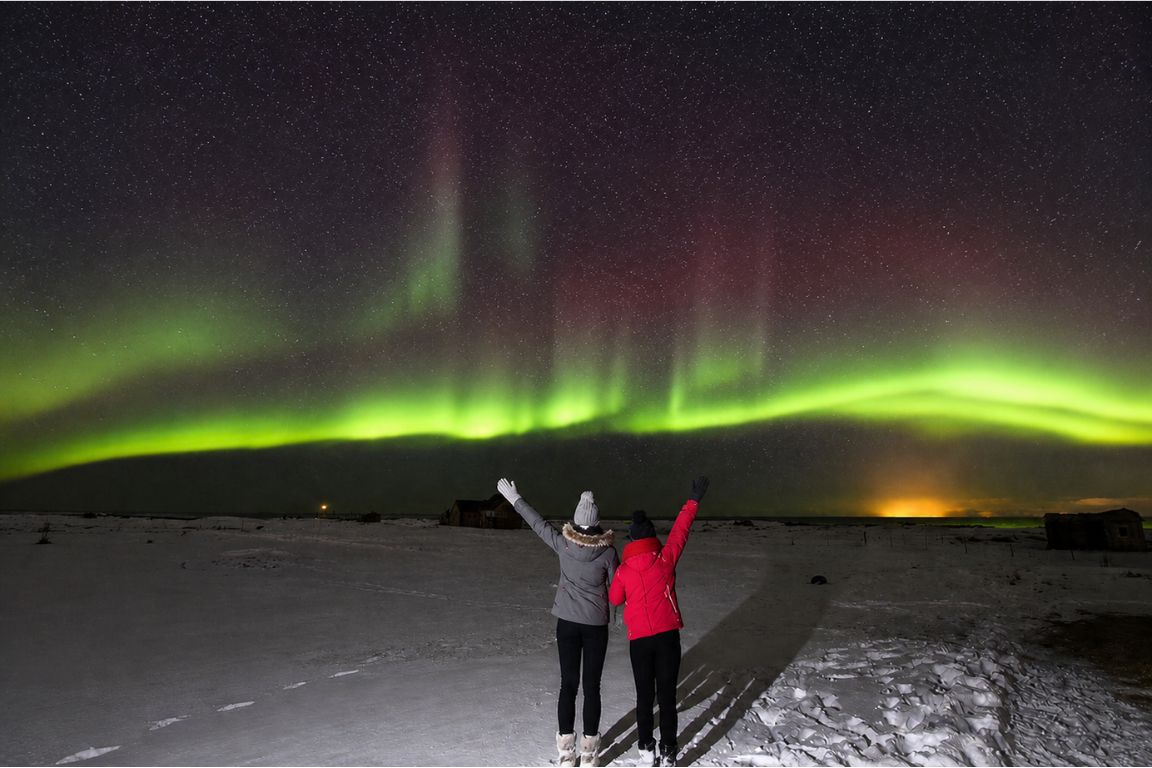
No tour can guarantee the lights. That sentence sits on our own pages because it is the honest starting point: the aurora needs solar activity and clear sky to line up over one specific patch of ground on one specific night, and no guide controls either variable. What a tour sells is a much better chance than sitting in a lit city, plus a second chance if the first one fails.
The retry is the actual product. Treat it as part of what you paid for rather than a consolation prize.
What free rebooking actually covers
Terms vary and the differences matter more than the ticket price. Some operators rebook you for the next available night only. Others cover any night for the length of your stay. A few, including our evening aurora hunt, hold the ticket open for years so you can use it on a future trip.
| What the policy says | What it means for you | Check before booking |
|---|---|---|
| Free retry on the next available night | Useless if you fly out tomorrow, excellent mid-trip | How many nights you have left |
| Free retry for the duration of your stay | Every remaining night becomes a fresh attempt | Whether you rebook yourself or they do |
| Open ticket valid for years | Covers you even after you have flown home | Whether it is transferable, and to whom |
| Refund instead of retry | Rare on aurora tours; more common when the operator cancels the departure outright | The difference between a cancelled tour and a tour that ran without a sighting |
That last row is the distinction people miss. A tour that is cancelled before departure, usually for weather or road closures, is a different situation from a tour that ran, drove for two hours and found nothing. The first normally refunds. The second normally rebooks.
Given how variable Icelandic weather is, a five-night stay with unlimited free rebooking is worth considerably more than one fixed-night departure at a slightly lower price. Compare the terms, not just the number.
Why refunds are not part of the model
The tour is the search, not the sighting. A guide who checks the cloud maps, drives 30 to 90 minutes to the clearest sky available and waits with the group has delivered exactly what was sold. The sky is the one component nobody can be held to.
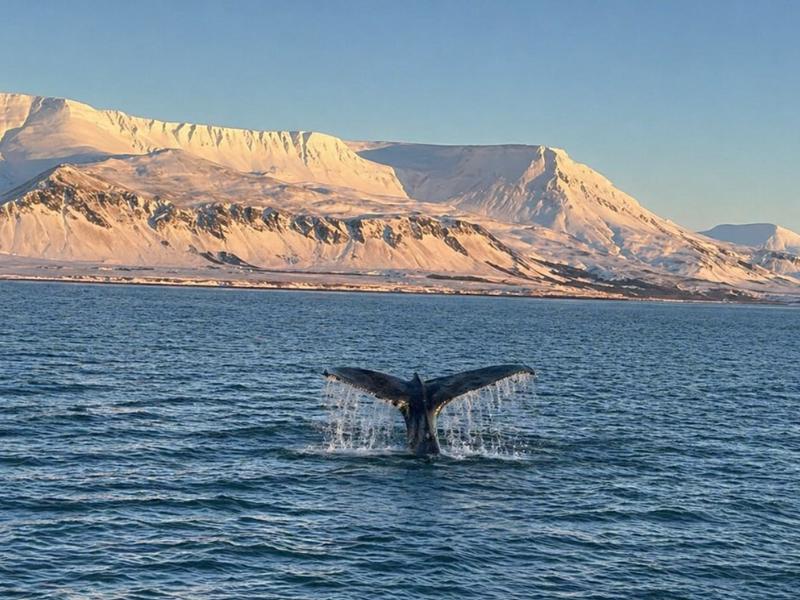
This is the same logic that governs weather-dependent tours everywhere, and Iceland applies it consistently. Our whale watching from the old harbour works identically: sail, search, and if no marine mammals turn up, you get a free ticket to come back. Nobody refunds a boat that went looking.
It also explains why the good operators publish generous retry terms. Repeat attempts cost them a seat, not a refund, and a traveller who eventually sees the lights on attempt three tells a very different story afterwards.
What counts as a sighting anyway?
Less than the photographs suggest. A real aurora often reads to the naked eye as a pale grey-green band that could pass for cloud until it moves. Cameras collect more colour than eyes do. If the guide calls it, that band counts as a sighting and the retry does not apply.
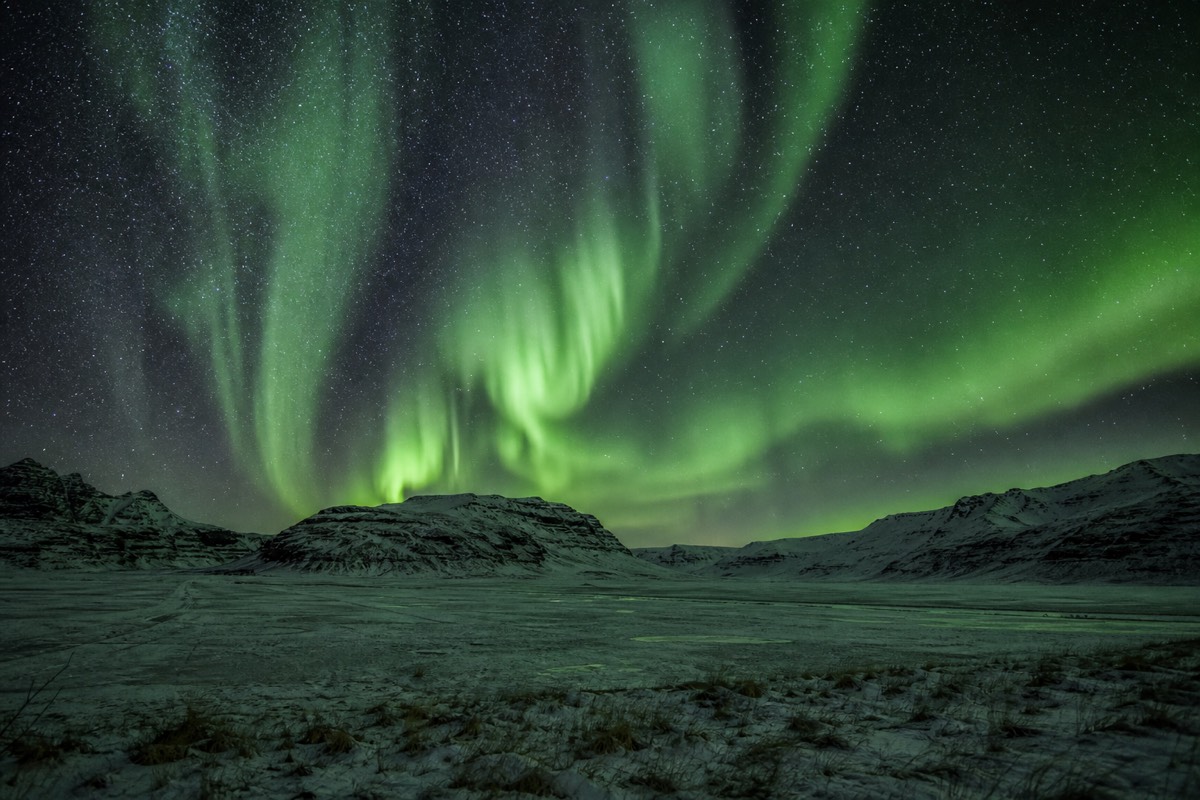
The most common disappointment on these tours is not an empty sky. It is a faint sky that the group expected to look like the marketing image. Big, saturated, curtain-like displays happen, and they are extraordinary, but they are the top end of the range rather than the average night.
Two habits fix this. Look for movement rather than colour, and give your eyes a genuine 15 to 20 minutes away from phone screens and bus lights before you judge the sky. Our full breakdown of the best time for the Northern Lights goes through the month-by-month odds in detail, and whether you can even see the Northern Lights from Reykjavik itself on a good night.
How to book so the retry is usable
Book your first attempt on the first available night of your trip, not the last. Every night you leave after it is another free retry you can actually take. Booking on your final evening turns a generous rebooking policy into a piece of paper.
The rest is a short routine. Check the cloud forecast at the Icelandic Met Office each evening rather than a week ahead, because cloud cover matters more than any other single variable and forecasts that far out are noise. Be willing to go at short notice when a cloudy evening clears. Keep a warm layer packed for the whole trip so a spontaneous departure does not require unpacking a suitcase.
Season matters too. Tours run from late August to mid-April, since the summer sky never gets dark enough, and winter day trips give you the longest nights of the year to work with. If you are driving yourself to a dark spot instead, read SafeTravel first: winter road conditions outside the city are the real risk on an aurora night, not the cold.
The one thing worth doing on every clear night
Look up. The aurora has appeared for plenty of visitors who were not on a tour at all, simply because they were outside after 9pm during the season and paying attention. A tour improves the odds substantially. It does not hold a monopoly on the sky.
Stack the chances instead of betting on one night. Book the day trips from Reykjavik tours that fill your daylight hours, take the aurora hunt early in the trip, use the free retry if the first attempt fails, and glance up whenever you step outside after dark. That combination is why some people leave having seen the lights three times and others, on the same week, leave having seen nothing.