When Do Puffins Leave Iceland?
The colonies empty faster than visitors expect. One week the cliffs are loud and crowded, the next they are bare rock and grass.
Your month and available time determine the practical choice: a focused harbour cruise during puffin season or a different Iceland experience once the colonies empty. Explore Reykjavik Puffin Cruise
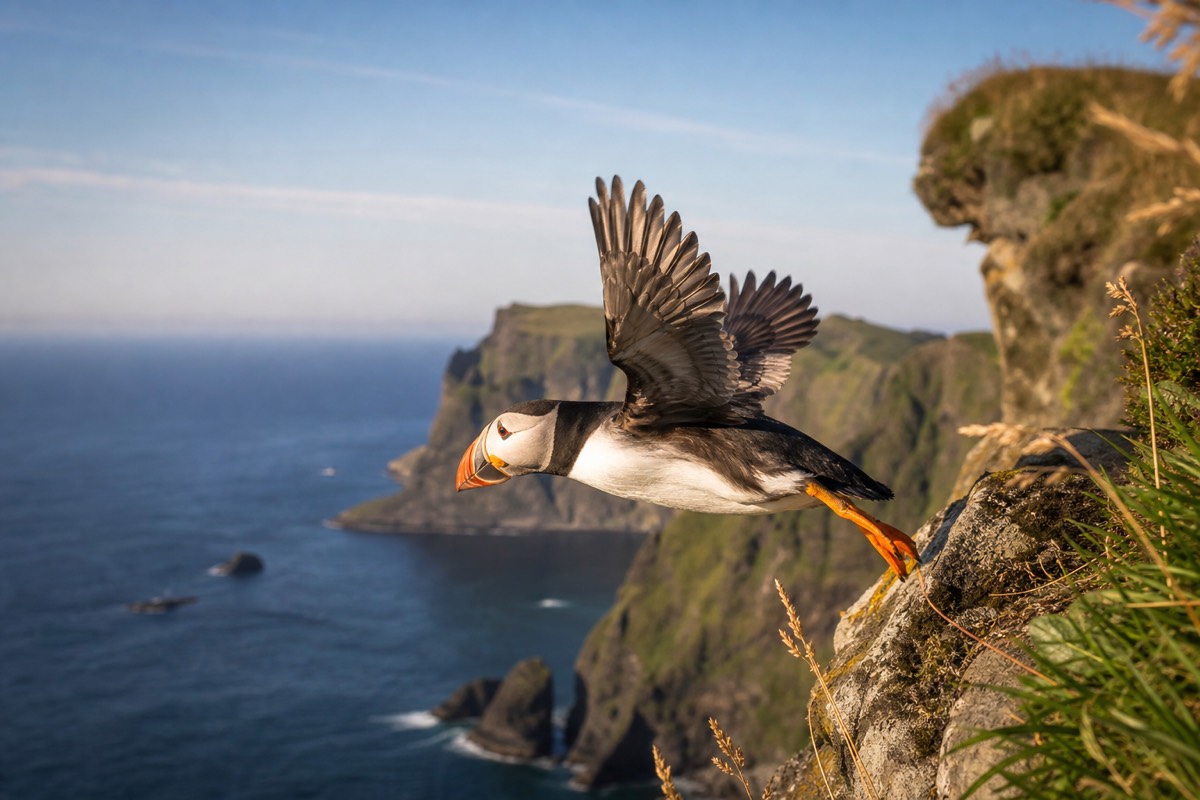
Booking Choice: Puffins generally leave by mid-August. During their season, a one-hour Akurey cruise offers focused viewing; for later dates, redirect the day toward the Glacier Lagoon or the evening toward an aurora hunt. View Reykjavik Puffin Cruise
When do puffins leave Iceland?
Mid-August, once the chicks have fledged. The season runs from mid-April, when the first birds return to the colonies, to mid-August, when they head back out to the open Atlantic. From Reykjavik the dependable viewing window is roughly 1 May to mid-August, and the departure is a natural cue rather than a fixed calendar date.
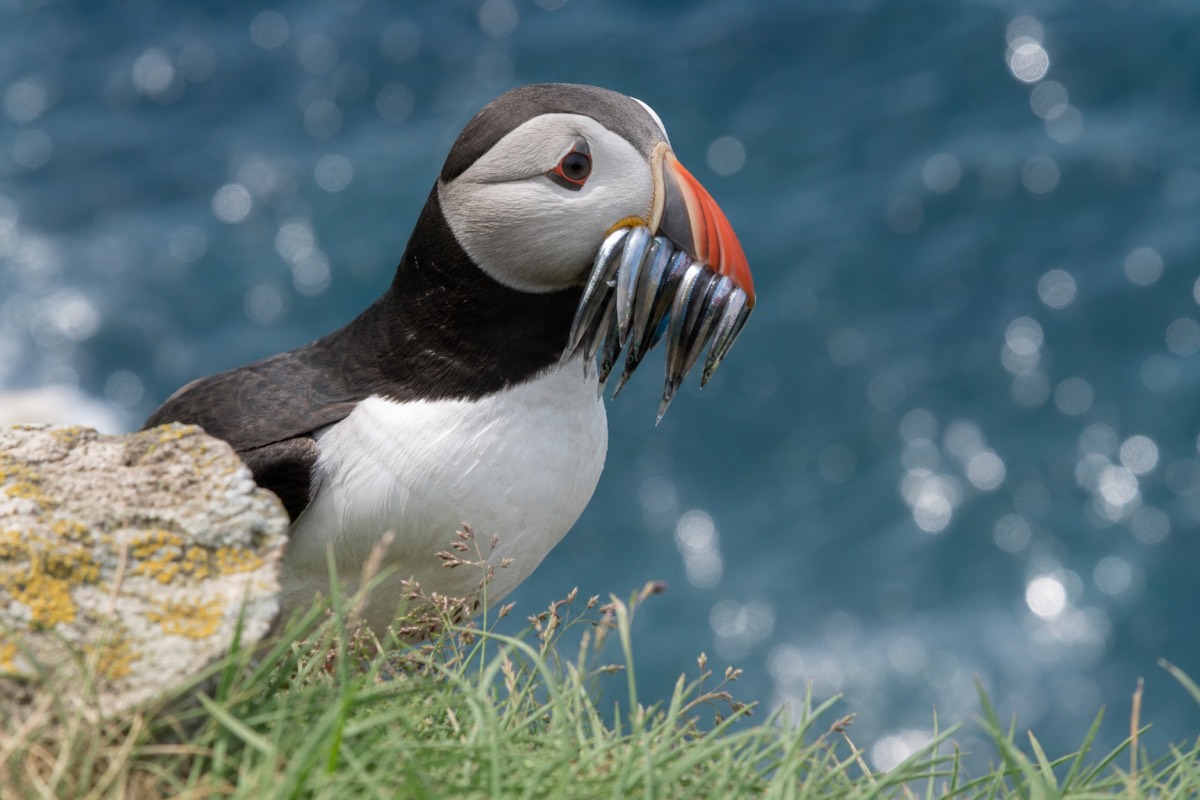
That last point matters for anyone booking a late-summer trip. Puffins do not leave on a schedule you can check. They leave when the chicks are ready and the feeding conditions at sea say go, which lands in mid-August most years but can run a little early or late. If your dates fall in the second half of August, plan as though the cliffs are already empty and treat a sighting as a bonus.
| Period | What the colonies are doing | Viewing from Reykjavik |
|---|---|---|
| Mid-April | First birds return from the open ocean, pairs reclaim burrows | Early and patchy, numbers still building |
| May | Nesting underway, colonies filling | Reliable from 1 May, boats running to the bay islands |
| June to July | Peak season, chicks in the burrows, constant fishing runs | Best of the year, and paired with peak whale activity |
| Early August | Chicks fledging, adults winding down | Still good, numbers falling week by week |
| Mid-August | Departure for the open sea | Window closes, cliffs empty quickly |
| September to March | At sea, well offshore | None, they do not come ashore at all |
Why do they leave at all?
Because land is only ever their nursery. Atlantic puffins spend most of the year far out on the open ocean, resting on the water and feeding at sea, and they come ashore purely to breed. Once the single chick of the season fledges, the reason to stay on a cliff disappears entirely.
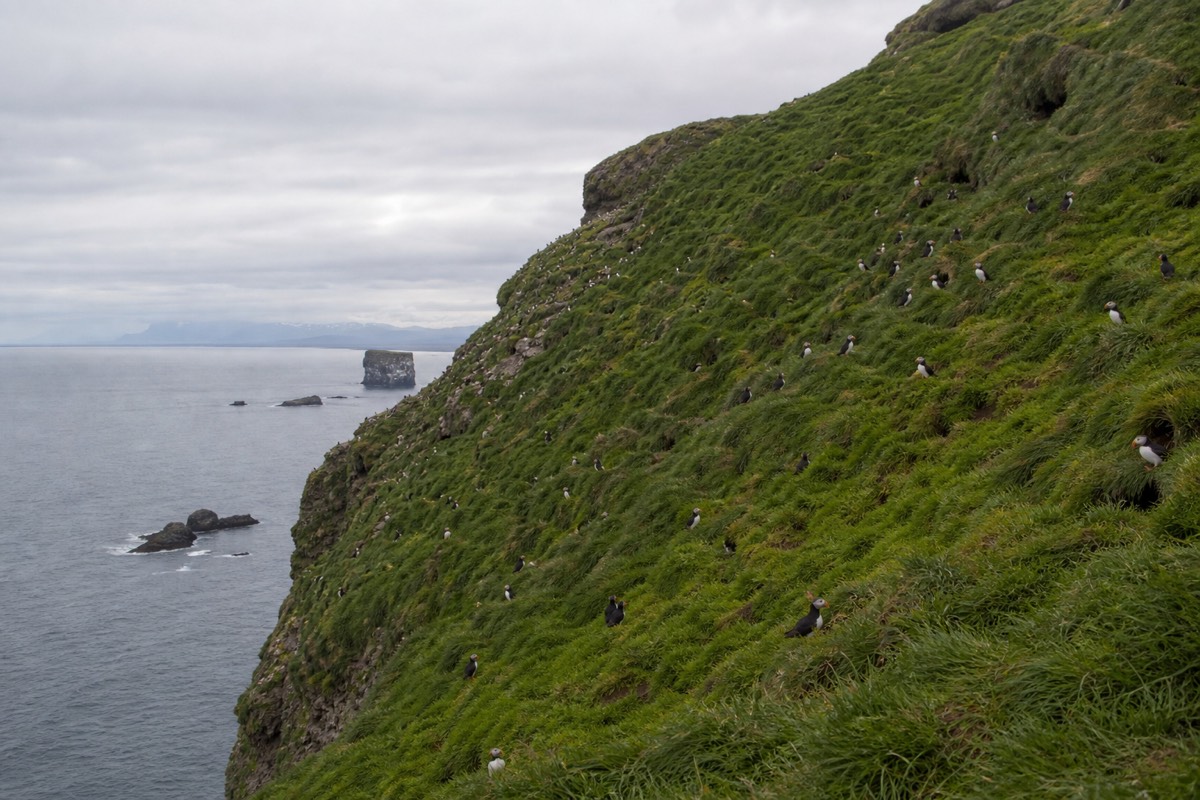
This is also why the exit looks so abrupt. A colony is not a population slowly drifting away; it is a synchronised breeding site that empties within days of the last fledging. Visitors who arrive in the third week of August often assume they have simply chosen a bad day or the wrong cliff. They have not. The birds are gone, and they will not be back until spring.
Where do you see them from Reykjavik while they are here?
On the two small islands in Faxaflói Bay, Lundey and Akurey, which hold colonies numbering in the thousands and sit a short sail from the Old Harbour. Dedicated puffin boats run about an hour and typically cost ISK 8,300 to 12,450, roughly $60 to $90. Most whale departures pass the islands anyway.
The combination tour is the efficient version of a summer morning: a stop at Lundey or Akurey plus a search for humpbacks and minke whales in one 2.5 to 3 hour departure, available from 1 May to mid-August when both are present at once. That overlap is specific to Reykjavik's geography, and it is the reason the harbour gets busy in June. Season detail across the year sits in our guide to the best time for whale watching, and the sites, behaviour and photography notes are collected in the puffins in Iceland guide.
What about the South Coast and the islands?
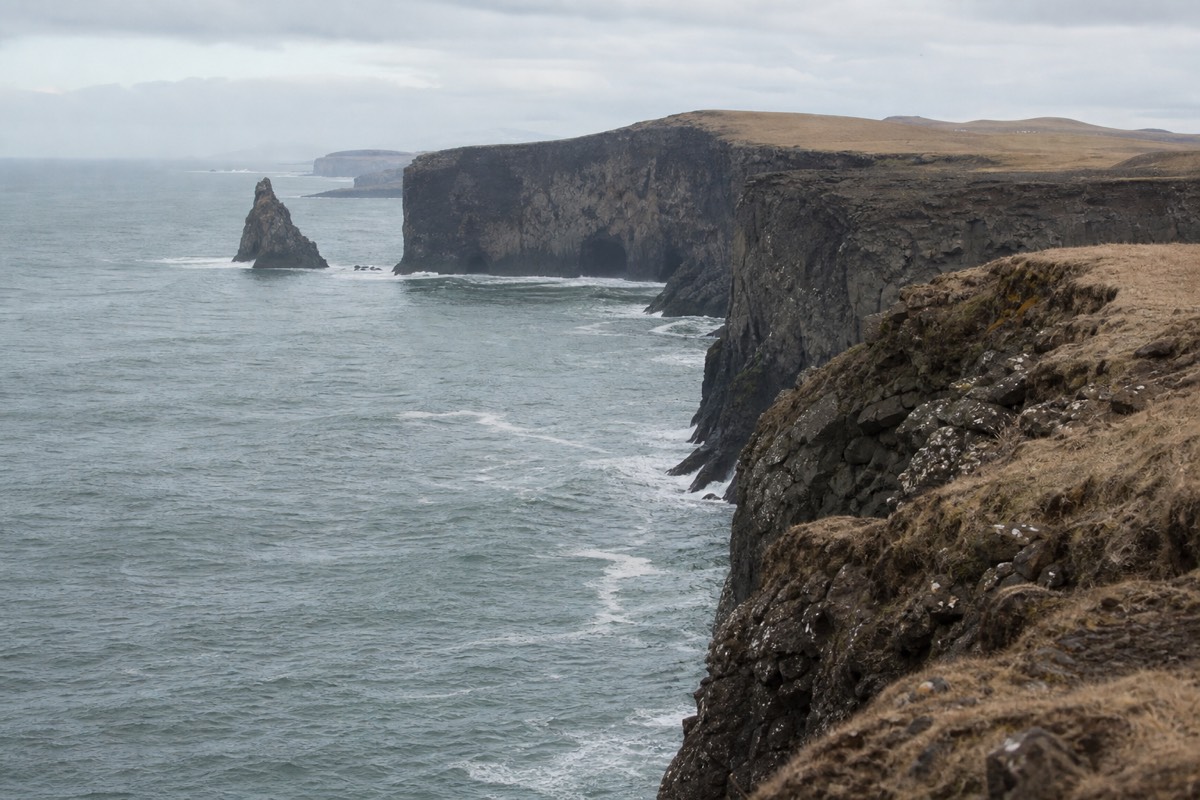
Puffins nest on the Reynisfjall cliffs directly above Reynisfjara black sand beach from May through August, visible from the beach below and from the clifftop path. The Westman Islands hold one of Iceland's best-known colonies. Both are reachable on a day from the city, in different ways.
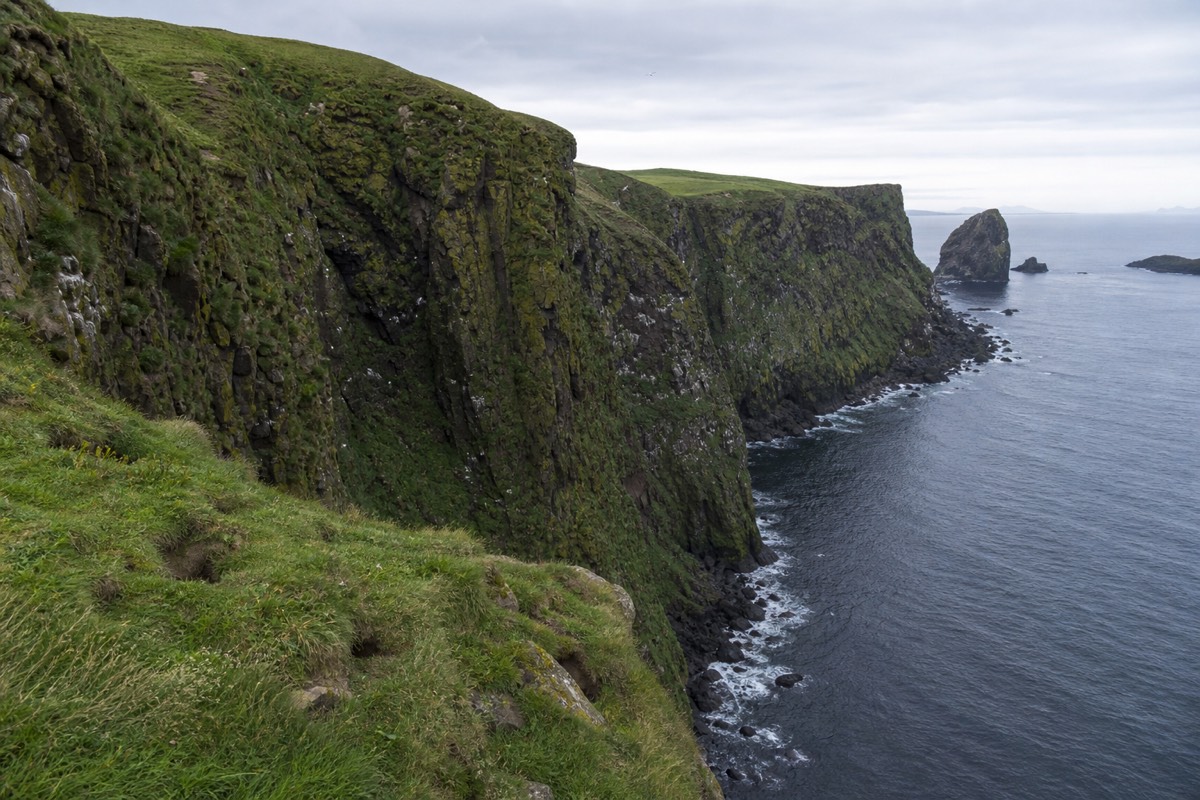
On the South Coast the birds are a bonus rather than the purpose, since the beach, the basalt columns and the sea stacks carry the stop on their own. Keep your distance and never touch them: contact damages the water-repellent structure of their feathers, which is the difference between a bird that survives the winter at sea and one that does not. Ferry-based routes to Heimaey are set out in our Westman Islands day trip guide.
What replaces them once they are gone?
Two things arrive as the puffins leave. Whale watching carries on year-round from the Old Harbour, and darkness returns in late August and September, which reopens the aurora season after a summer of no true night. Late August is a genuinely strong window, just not a puffin one.
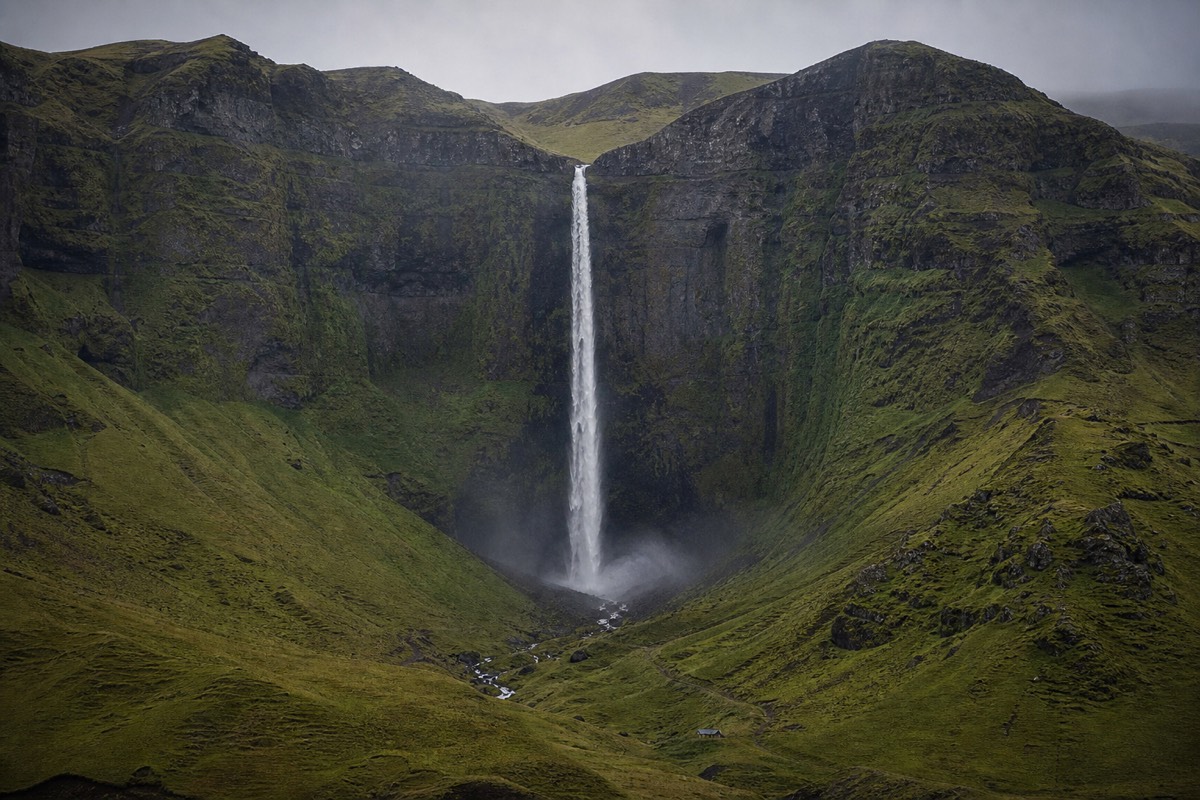
Day trips from Reykjavik tours change character rather than pause. September brings clear autumn light, thinner crowds at the Golden Circle sites, and aurora hunts starting again in earnest. Boat departures continue through winter, when humpback sightings in Faxaflói Bay have become far more common than they were a few years ago. Check the Icelandic Met Office forecast the evening before any harbour departure, because wind, not season, is what cancels boats.
How should you time a trip around them?
Book the boat early in your stay, ideally in June or July, and keep a second morning free. Puffin and whale departures are weather-dependent, and a blown-out morning is common enough that a single scheduled attempt is thin planning for a bird that is only ashore four months of the year.
If your trip is fixed for late August or September, spend the budget elsewhere: a South Coast day, a glacier lagoon run, or the first aurora hunts of the season. And if you are choosing dates purely for wildlife, June and July give you nesting puffins, active humpbacks and enough daylight to sail at almost any hour. That is the strongest week of the Icelandic year for it, and it is short.